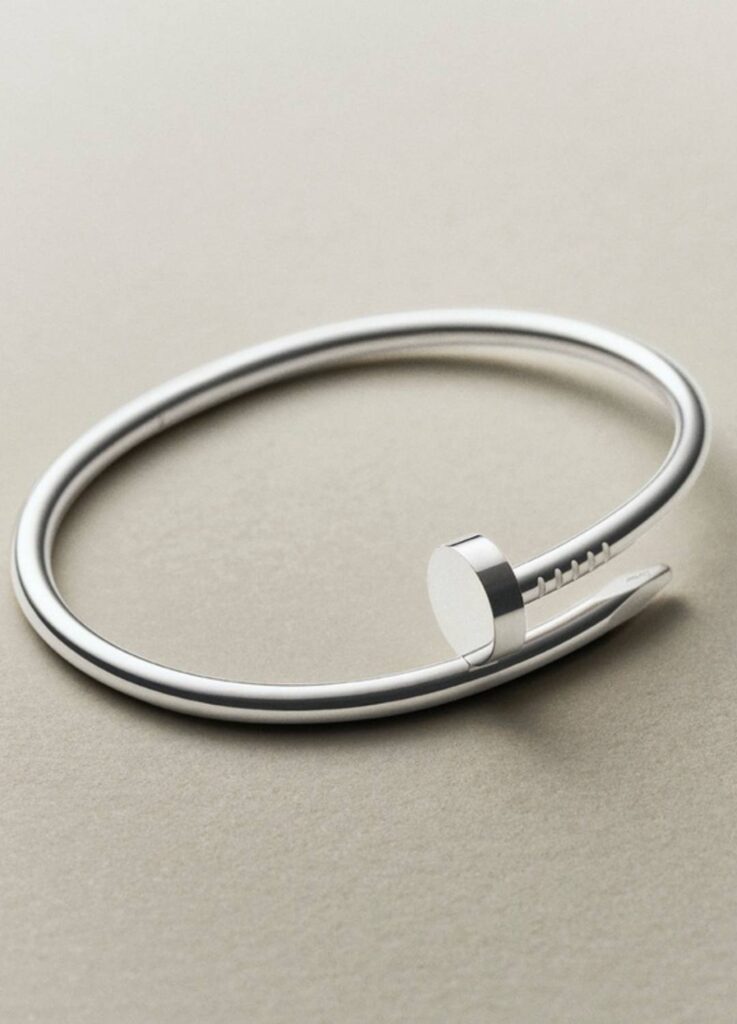
Gold is disappearing—quietly, steadily, and irreversibly.
Most of the gold that was easily accessible on Earth’s surface has already been extracted. What remains lies deep within hardened veins, or beneath oceans we cannot yet mine at scale. In practical terms, humanity is approaching the end of convenient gold.
In this context, collecting jewelry is no longer a question of taste alone.
It is a decision about how material scarcity, value, and time are carried into daily life.
Among all jewelry forms, the structurally complete gold bangle has emerged as one of the most rational—and telling—entry points.
This is not about decoration.
It is about understanding weight, structure, and timing in an era of rising gold prices.

The End of Accessible Gold
Gold has not vanished, but surface-accessible reserves are approaching exhaustion.
Global estimates place total historical gold extraction at roughly 200,000 metric tons. Of that, economically viable reserves are now estimated at approximately 50,000 tons. At current extraction rates, most major mining reports converge on a 15–20 year horizon before easily mineable gold is depleted.
Gold exists in the ocean.
But extracting one gram currently costs millions.
Asteroid mining is theoretically possible.
Commercial circulation is not.
This places the present moment in a rare position: we may be the last generation able to physically acquire gold that has not yet become abstracted into financial instruments.

Why Gold Weight Now Takes Priority Over Diamonds
When budgets are finite—and they always are—priority matters.
Diamonds have become structurally complicated assets.
Sub-one-carat stones lose valuation clarity without certification. Resale depreciation is steep. The rapid normalization of lab-grown diamonds has further compressed pricing across the category.
Gold behaves differently.
It trades daily at transparent global spot prices.
Its value is legible through purity and weight alone.
It remains liquid, independent of branding.
Crucially, contemporary jewelry design has evolved to accommodate this shift. Leading houses now produce fully resolved forms without diamond reliance—bold rings, solid bangles, uninterrupted chains—designs that allow gold itself to perform visually.
At an industry level, rising gold costs are increasingly offset by reduced diamond dependence. Material strategy has become aesthetic language.
A Shared Signal: Central Banks and Luxury Houses
One of the most telling indicators is convergence.
Between 2022 and 2024, global central banks recorded their highest gold purchases in modern history. China, Russia, India, and Turkey in particular have accelerated gold accumulation as a counterbalance to dollar exposure.
Simultaneously, major luxury houses have repositioned gold as a central design material.
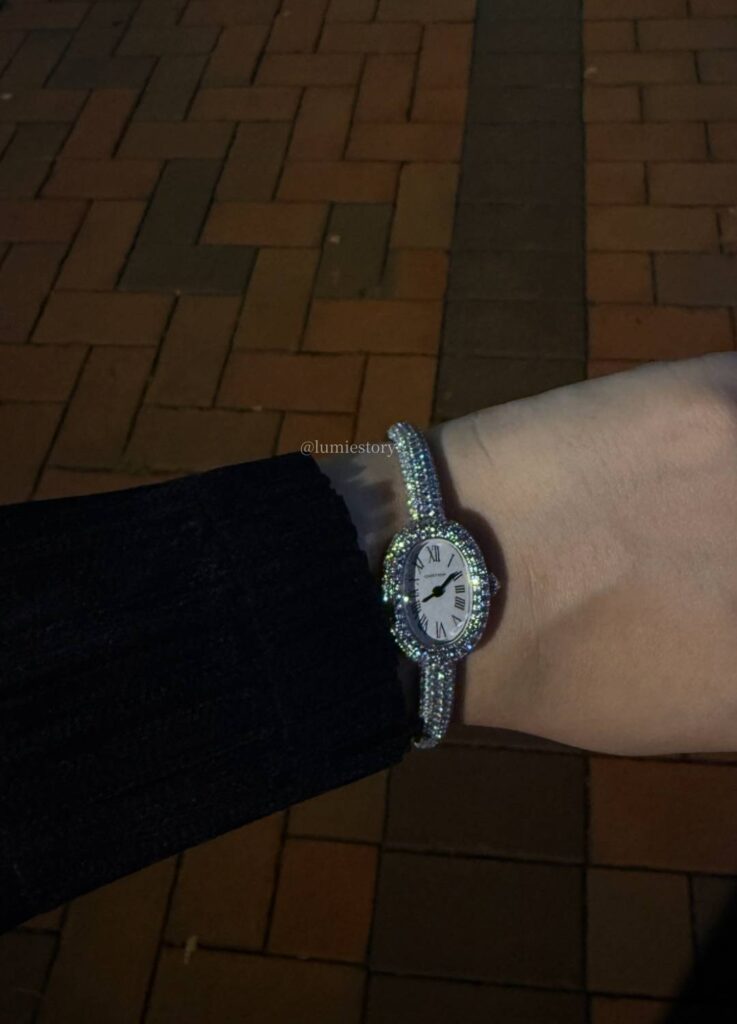
Chanel, Cartier, Boucheron, and Van Cleef & Arpels have all expanded collections centered on solid gold bangles and metal-forward structures.
This is not trend alignment.
It is a material revaluation translated into form.
Why the Bangle Is the Strategic Starting Point
If entering the jewelry market seriously today, the bangle deserves first consideration.
1. Higher Gold Density
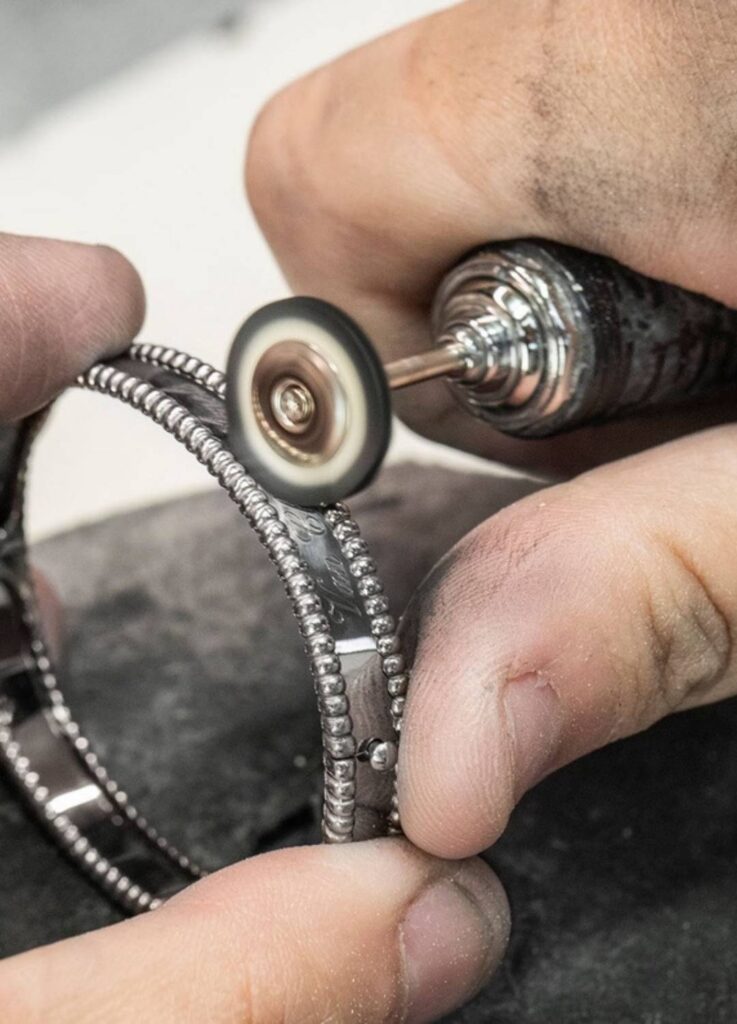
Bangled forms consume significantly more gold than chains or articulated pieces. From a weight-based valuation perspective, they convert capital into material mass more directly.
2. Structural Completion
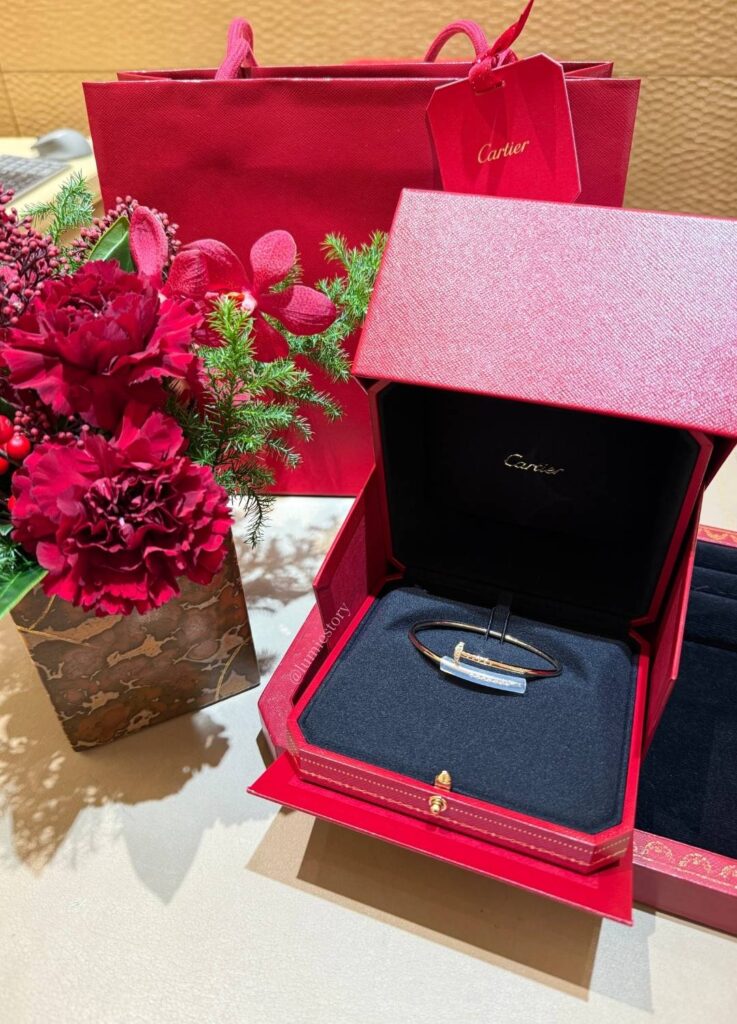
Iconic bangles—Cartier’s Love and Juste un Clou, Chanel’s Coco Crush, Boucheron’s Quatre and Serpent Bohème, Van Cleef’s Perlée—retain full aesthetic coherence without stones. Their geometry stands independently.
3. Emotional Neutrality with Daily Presence
The wrist is the body’s most open visual field. A bangle adds weight without intrusion. Unlike necklaces or earrings, it does not compete with expression—it anchors it.
4. Long-Term Layering Potential
A single bangle today does not close the collection. Its compatibility with future additions increases both practical and archival value.
Jewelry as a Time-Bound Decision
Collecting jewelry today is not about accumulation.
It is about deciding what form of permanence to accept.
Gold continues to circulate daily, but physical gold—visible, touchable, unabstracted—is diminishing. The future of gold will increasingly reside in ETFs, digital tokens, or central bank vaults.
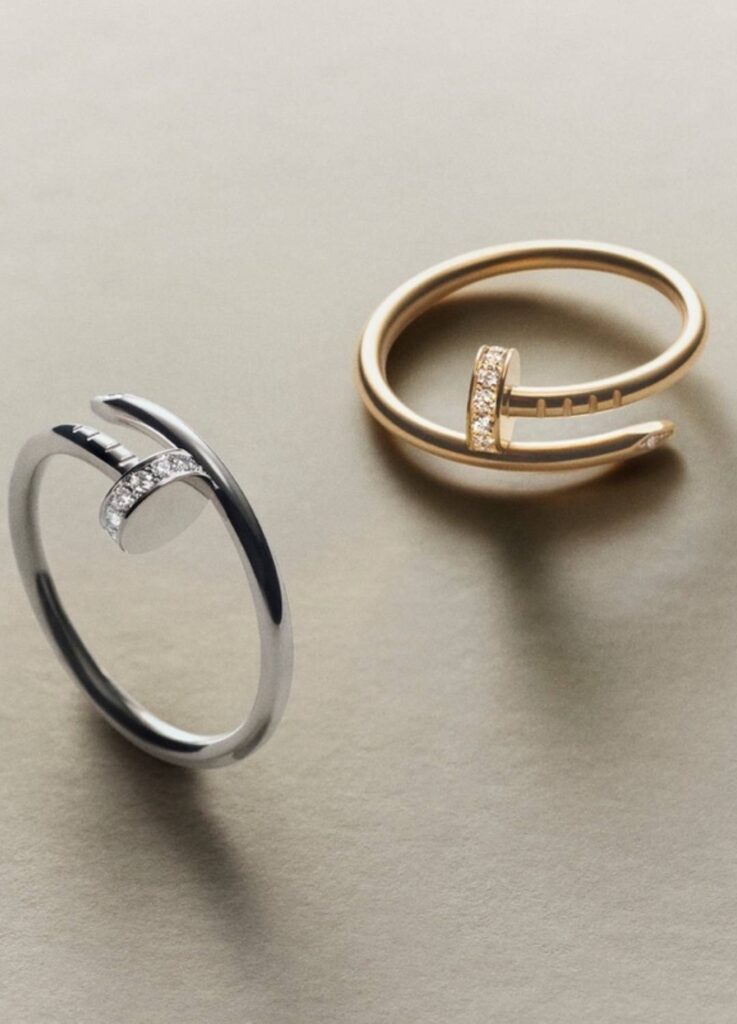
A bangle exists outside that system.
It sits on the wrist.
It records time through wear.
It converts scarcity into presence.
In restrained terms, choosing a gold bangle now is less about adornment than about positioning oneself at the close of one material era and the opening of another.
And often, that transition begins quietly—with a single, well-chosen structure.
[ Related Editorials ]