Inside Dior Spring/Summer 2026
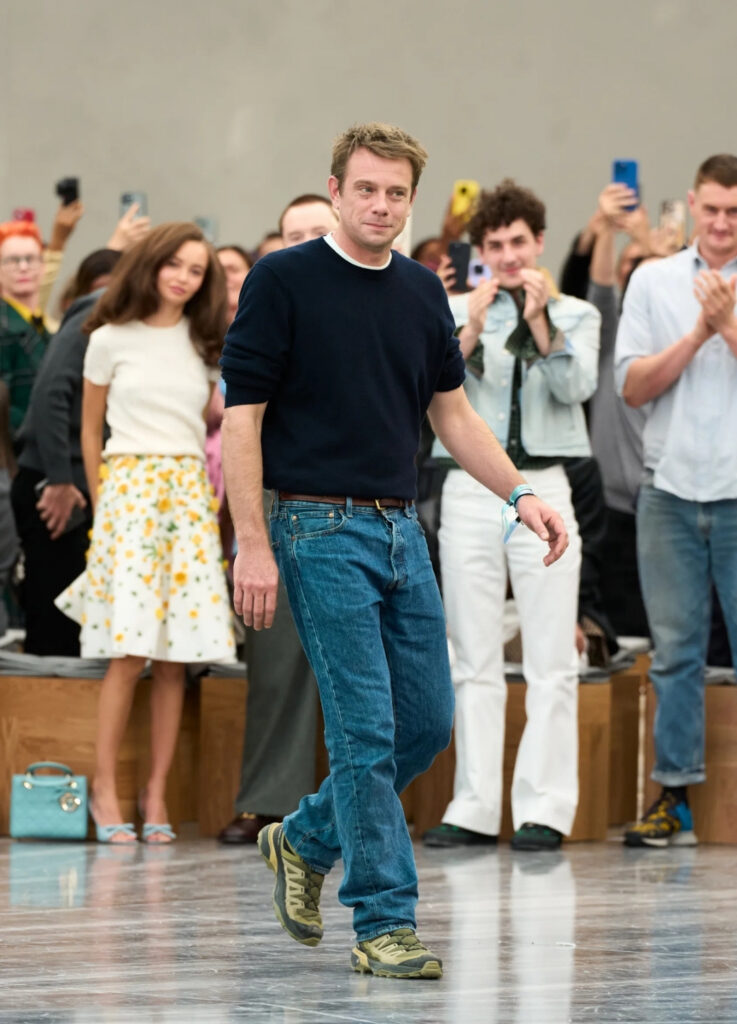
Jonathan Anderson presented his first Dior womenswear collection on October 1, 2025, in Paris. The show began with a forty-minute prologue film — directed by Adam Curtis — projected over an inverted pyramid screen that stitched fragments from every Dior creative director who came before him.
The film opened with a question: “Do you dare enter the house of Dior?”
The question gave the show its starting frame: how does a designer enter a house with this much history behind it?
It was Anderson’s first womenswear show at Dior. The staging treated the debut accordingly.
What follows is a reading of the eight looks that anchored the collection, and what they suggest about how Anderson is approaching Dior’s next chapter.
The Setting │ A Prologue Designed as a Reset
Curtis’s prologue ran for over forty minutes. Where most fashion shows compress their identity into ten minutes of live performance, Anderson took the opposite approach — a long, edited prologue that placed the show’s identity firmly before the runway started.
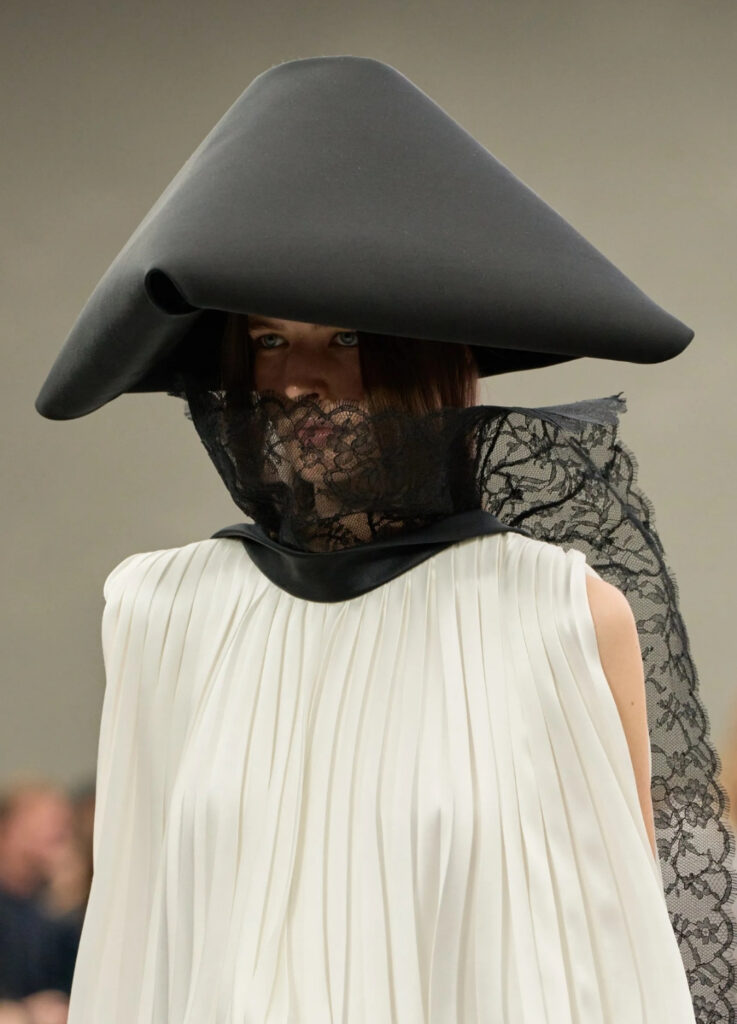
The prologue cast Dior’s brand ambassadors as witnesses — figures who traditionally appear at the end of a runway, repositioned to its beginning. The reordering itself was telling. Anderson was framing the show as a reset of the house from the opening minutes onward.
When the runway began, it ran with the polish of pre-edited cinema rather than the improvisation of live fashion. That signaled the kind of communication Dior is going for under Anderson: controlled composition, with less weight given to live spontaneity.
The Theme │ Lightness Built on Structure
The collection’s working tension sat between dressing up and dressing down. Anderson worked his own structural restraint — the language he developed at Loewe — into Dior’s archive and laid his own wit over both.
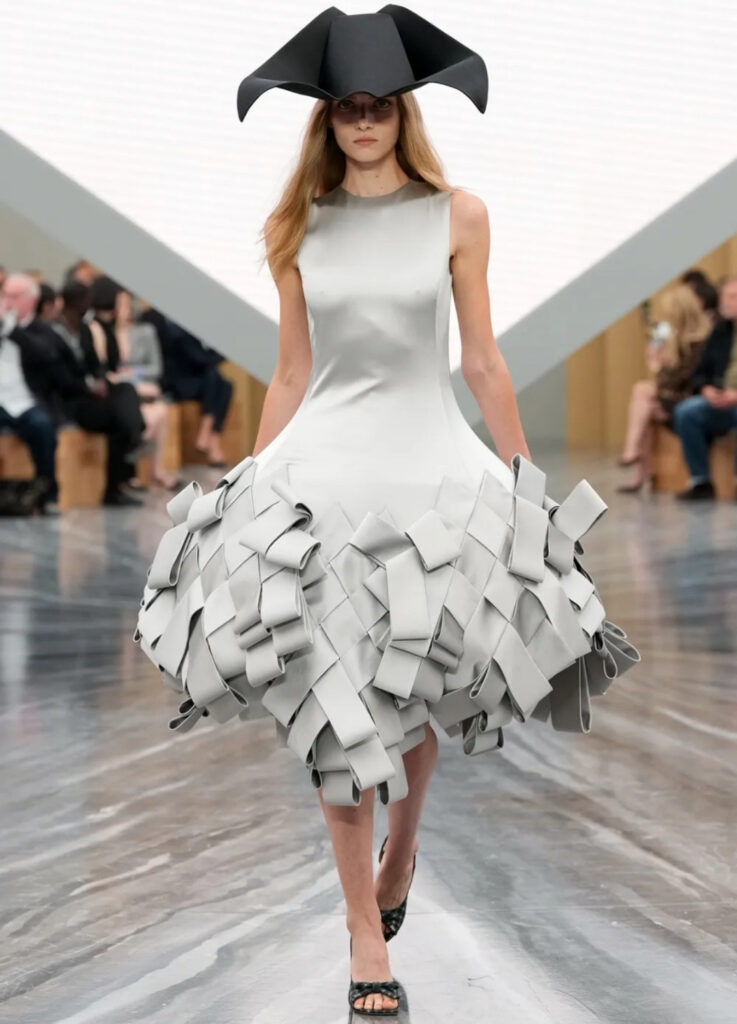
The clothes carried lightness, but the lightness wasn’t decorative. The bubble hems carried architecture in them. Ribbons did structural work — they weren’t placed there for ornament.
The line Anderson worked was clear: lightness needed structure underneath, or it would just read as girlish.
What he showed was structural tailoring from his men’s collections, brought directly into womenswear. Dior’s archive — the New Look, the Bar Jacket — sat in the room and was compressed and reread through that grammar.
Moments That Defined the Show
White Tulip Dress │ Opening
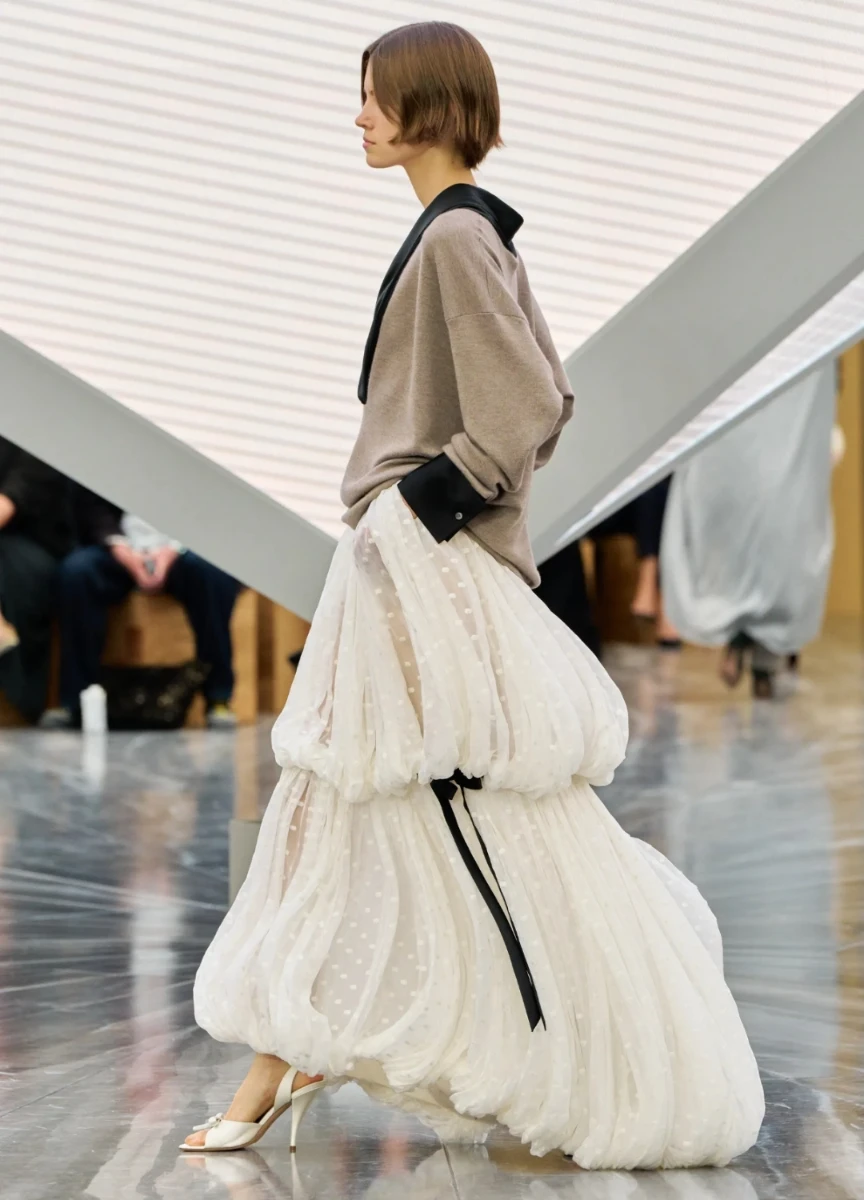
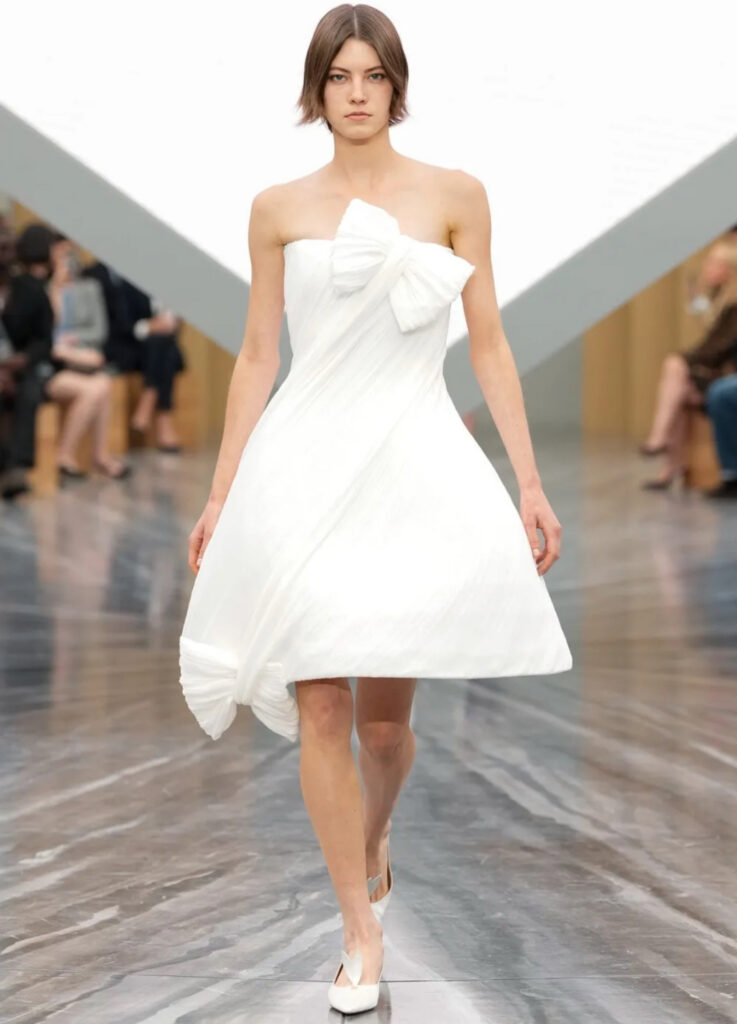
The opening look was a white dress with bubble hem treatment. The silhouette gestured toward Dior’s bar shape — the New Look reference — while the bubble hem reframed it through Anderson’s own sculptural language.
It worked as an opening statement: archive present, but already pulled into a different system.
Khaki Suit + Mini Skirt │ Genderless Tailoring
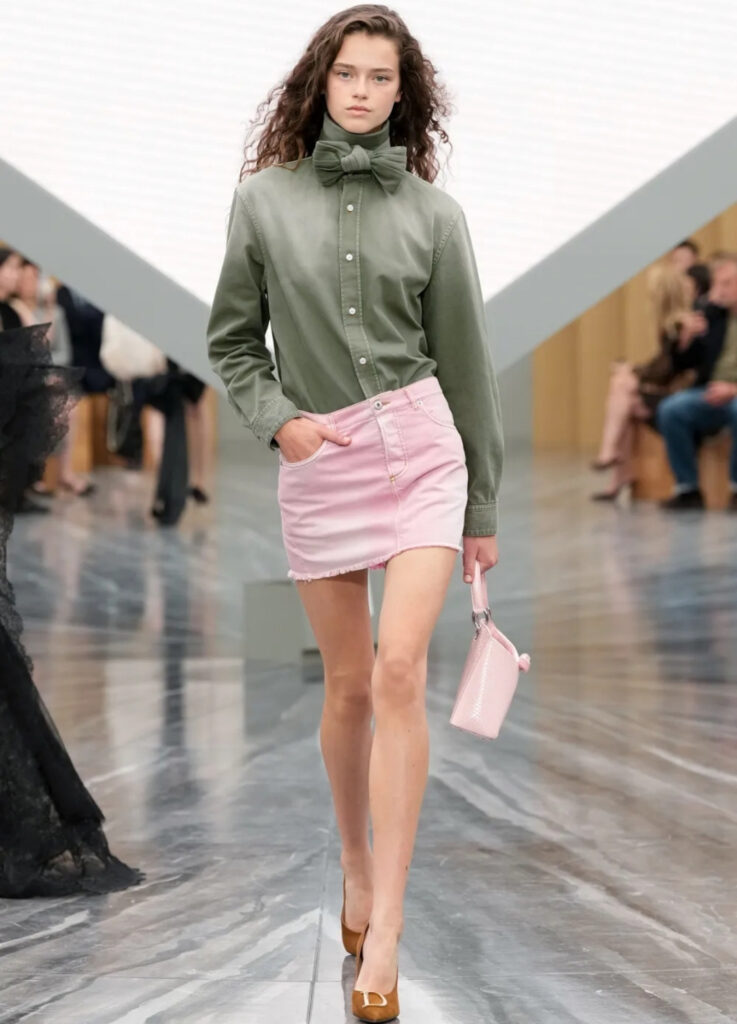
This look took the structural tailoring Anderson has been working in Dior Men’s collections and translated it directly into womenswear. A classic khaki suit jacket paired with a mini skirt — the proportions and cut carried over from menswear, the wearable register shifted.
Anderson is treating Dior’s womenswear as part of the same design line as his men’s work, at least at this stage.
Pleated Bubble Skirt Dress │ The Show’s Anchor
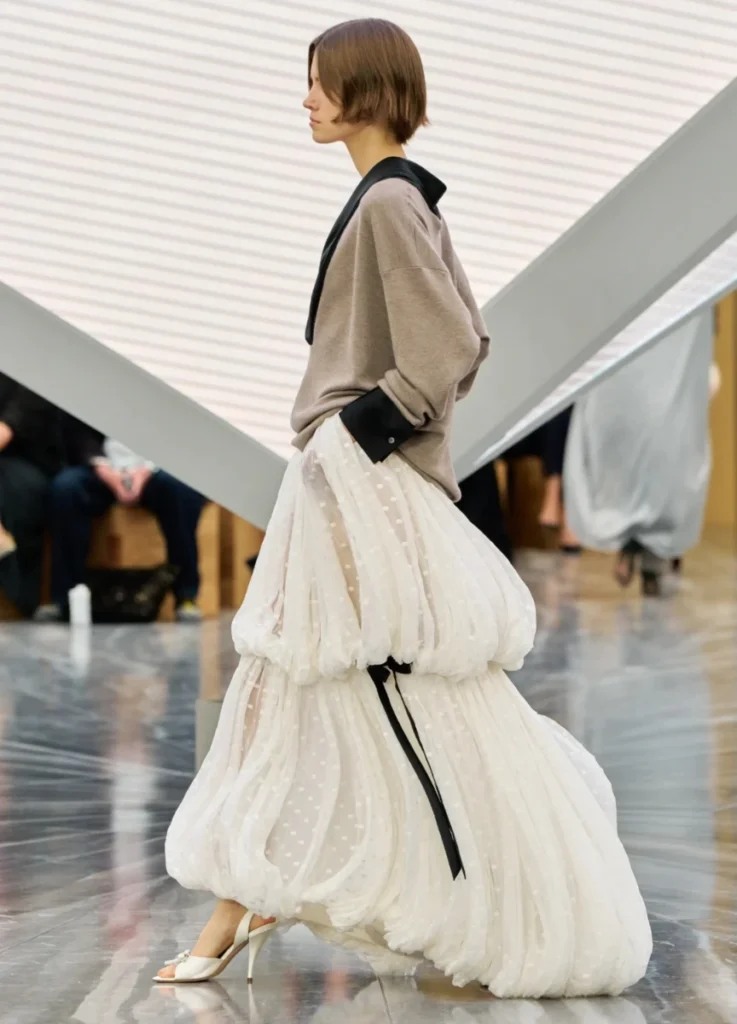
This was the look that anchored the show, to my eye. A grey dress with a pleated bubble skirt, the pleats reading like origami folded into volume — and the volume itself working as architecture.
The piece functioned as a couture-level statement built into a ready-to-wear silhouette. Anderson’s idea of bringing couture-level construction into the RTW format arrived clearly here.
Blue Seersucker Dress │ The Spring Note
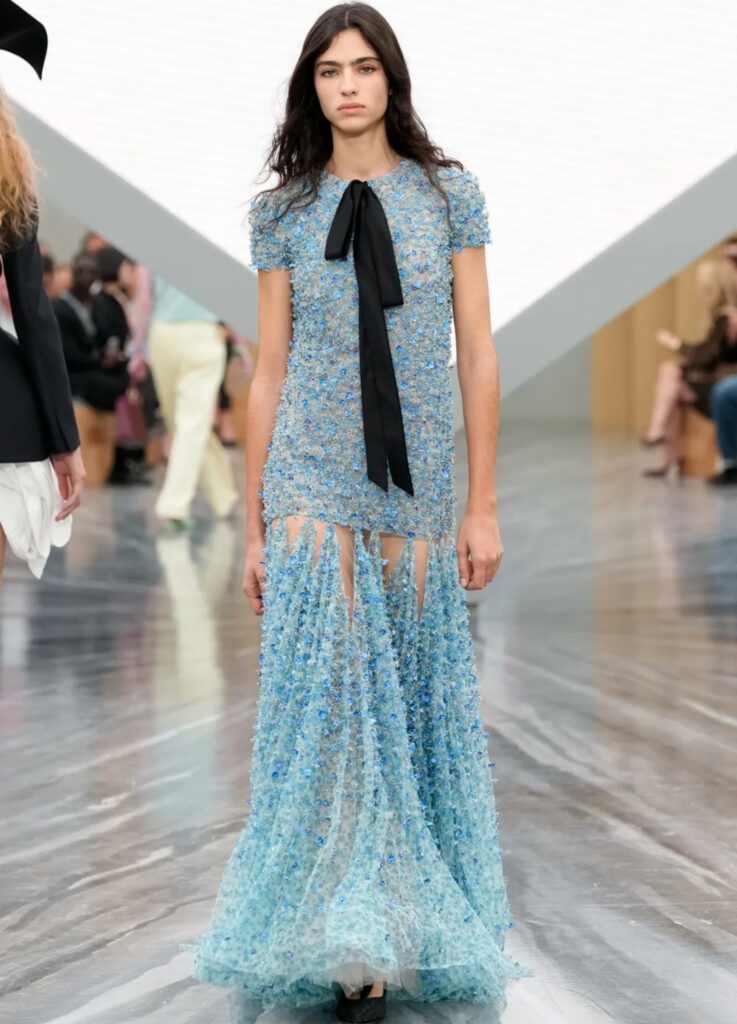
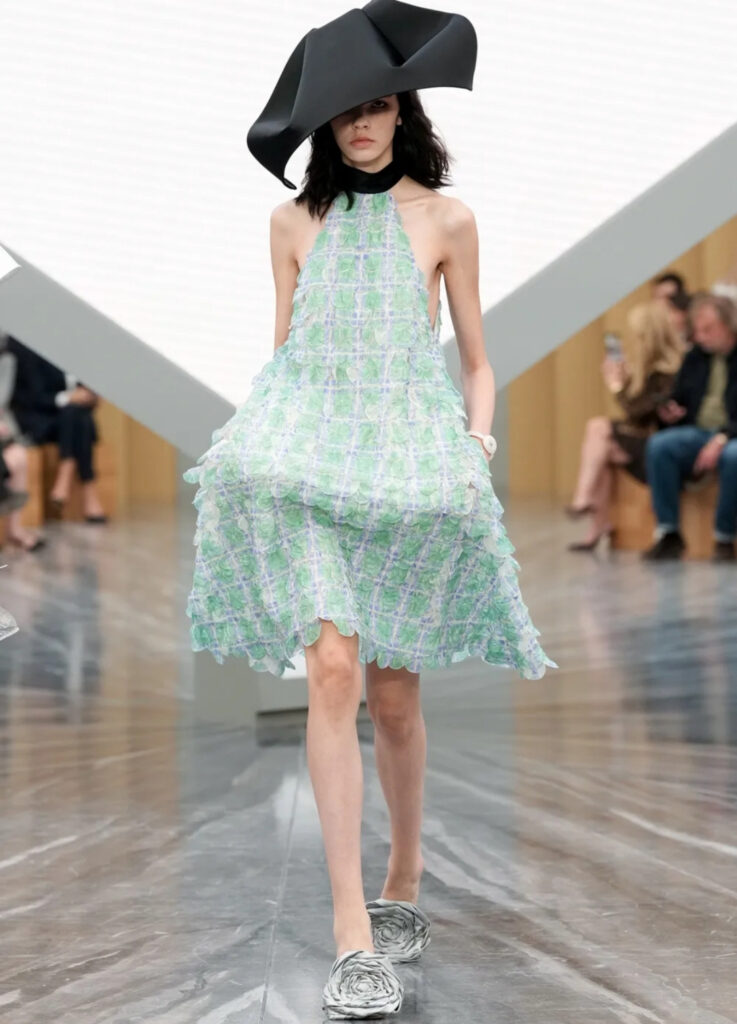
Spring lightness arrived clearly in the second half — a blue seersucker dress in bubble silhouette. Mint and blue tones cut through the show’s monochrome backbone and brought spring energy into the collection.
Color Palette │ Structure First, Spring Second
The collection ran on three color groups.
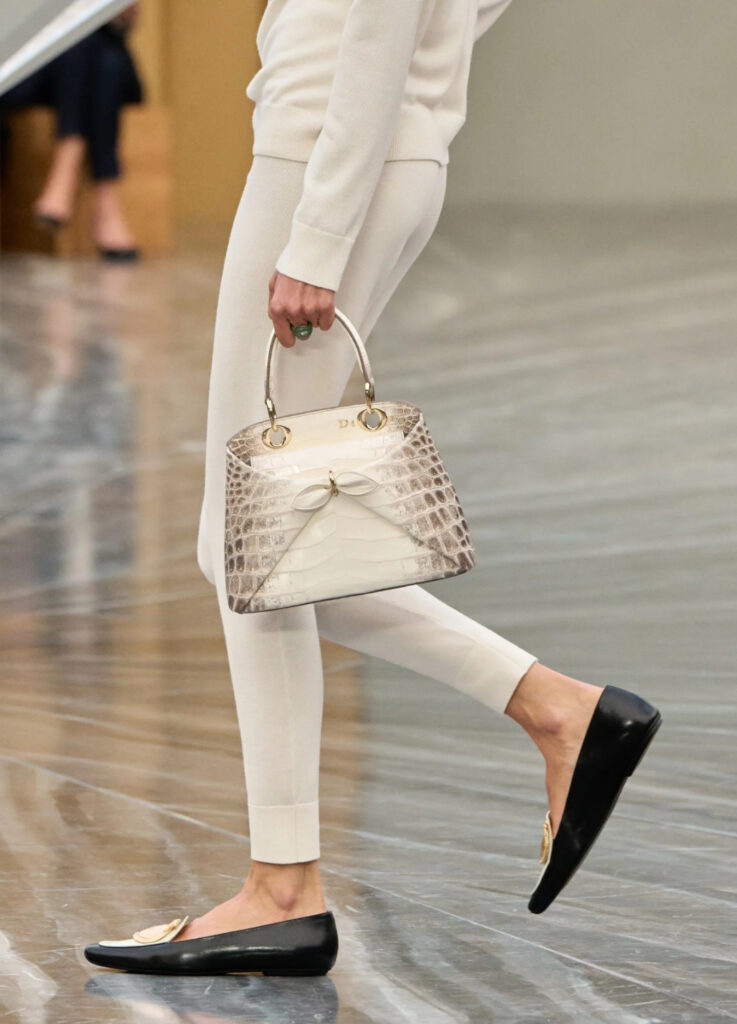
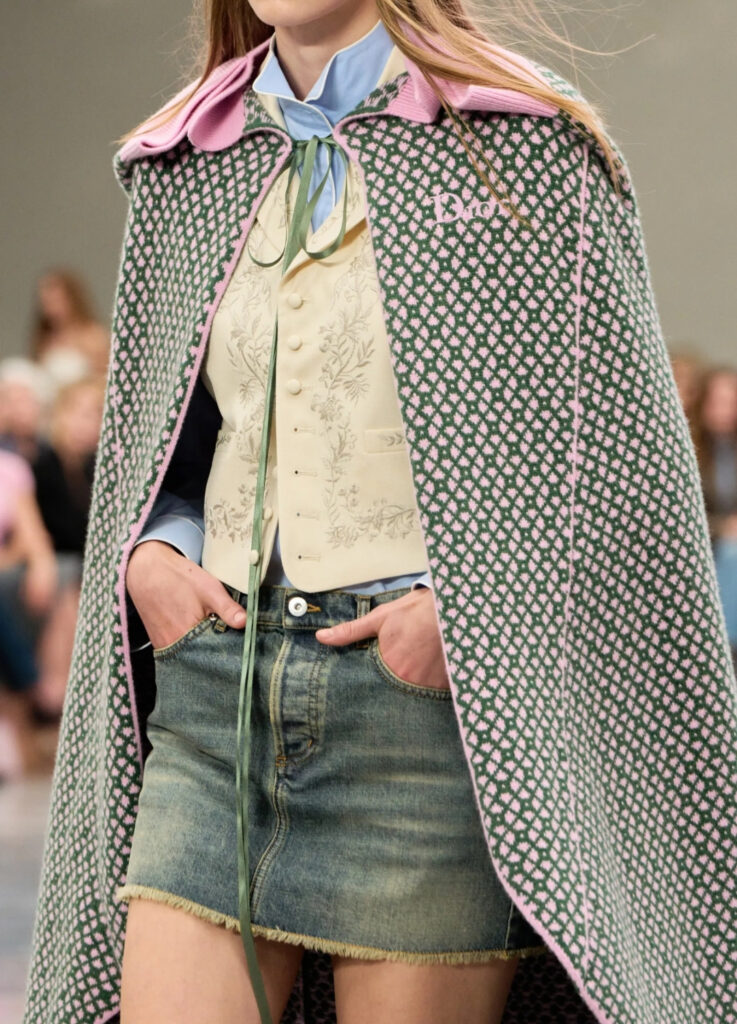
The structural backbone sat in monochrome — black, white, and grey carrying most of the collection’s weight. The spring lift came through pastels — mint, sky blue, powder pink — that brought seasonal energy without breaking the structural framework. And the accent layer arrived in deep brown, deep green, and decisive red, which gave the runway moments of sculptural tension.
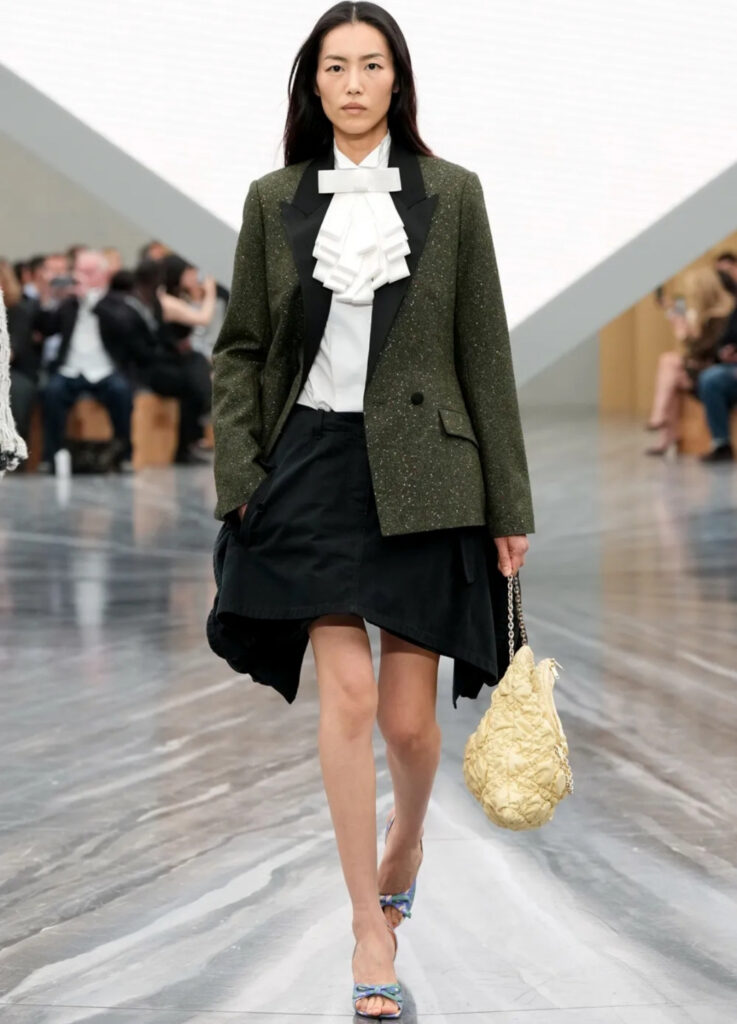
The palette logic differs from Chanel’s dreamlike pastels and The Row’s controlled neutrals. The palette is doing identity work for Dior — built to carry the new direction.
Initial Reception
Critical coverage from Vogue and WWD ran positive on the debut, with Anderson’s Loewe years cited often as the lens he brought to Dior’s archive. Some early pieces flagged the staging’s heaviness — particularly the long prologue — as a risk.
This is early. How the work lands will keep shifting as the next collections come.
Anderson’s Approach │ What This Show Did Differently
The pieces worn by ambassadors in the prologue film appeared on the runway in their RTW versions minutes later. The boutique versions followed in early 2026.
The pre-production feel of the show suggests something like an extended rollout — the debut is being staged as more than a single seasonal moment.
Compared to the Chiuri years, the working vocabulary has shifted — away from social messaging, toward structure, silhouette, and tailoring as the primary mode.
All images referenced in this post are drawn from Vogue Runway.
[ Related Editorials ]