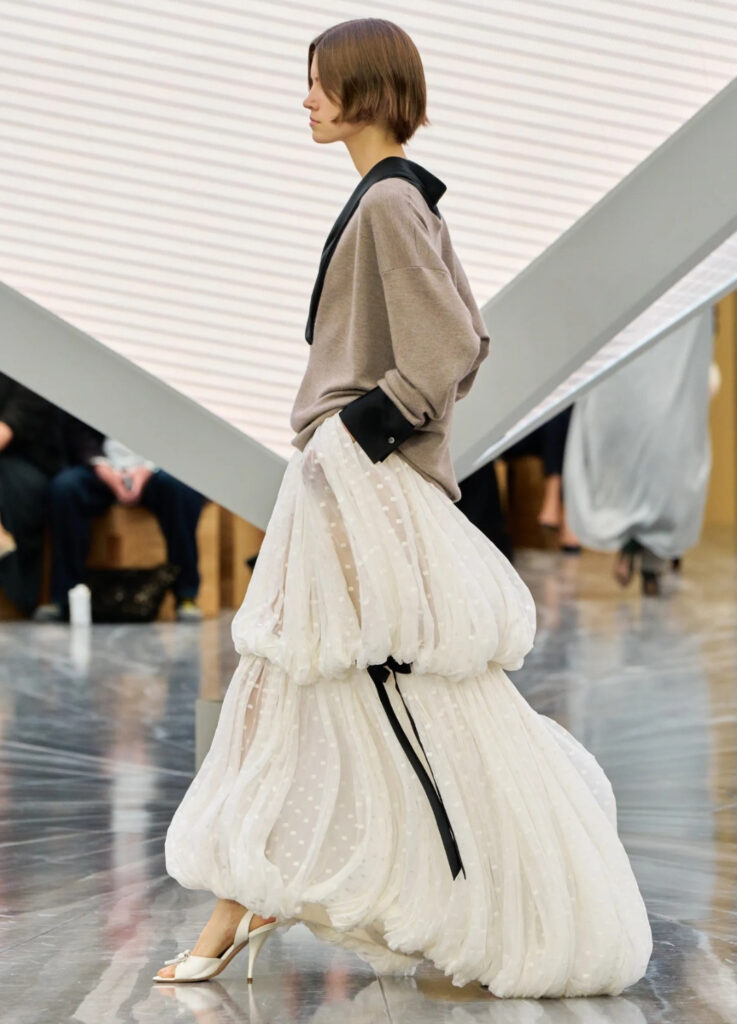
Dior Spring/Summer 2026 is not a collection designed to seduce immediately.
It asks to be considered, not consumed.
Jonathan Anderson’s debut suggests a Dior that listens before it declares, that observes before it defines. Whether this vision evolves into a long-term language remains to be seen.
For now, it marks a beginning—quietly assertive, intellectually grounded, and unmistakably his.
A Debut Built on Tension
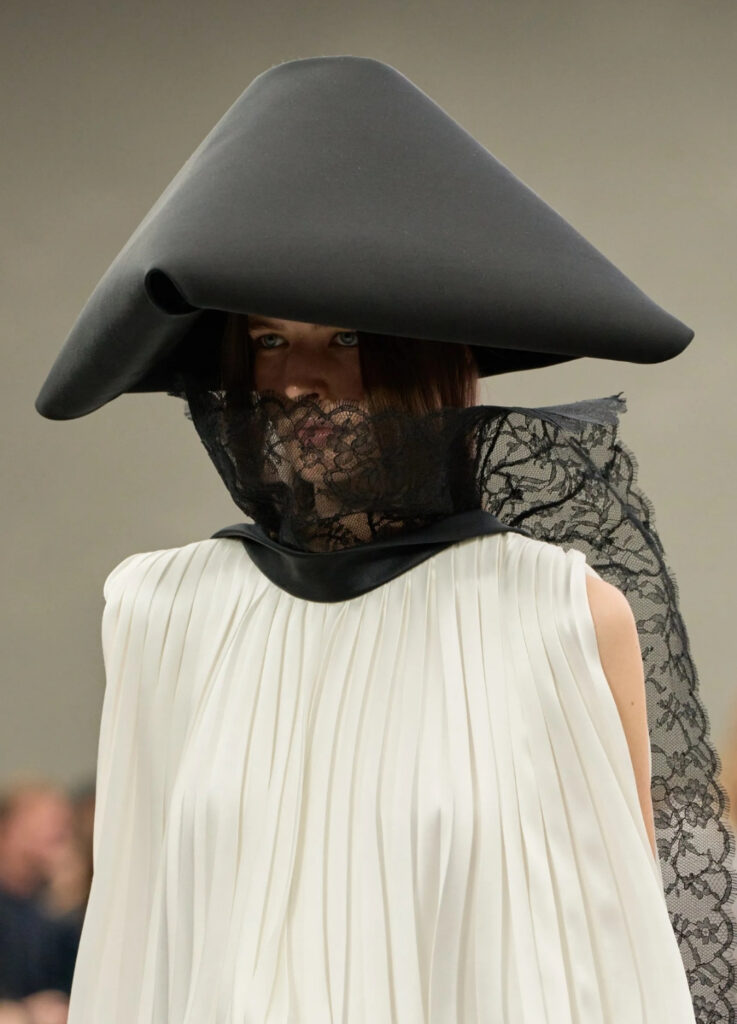
The collection unfolded inside a controlled, almost clinical runway environment—an intentional contrast to the emotional charge of the clothes themselves. Anderson did not attempt to “be Dior” in an archival sense. Instead, he treated the house as a framework within which to test proportion, restraint, and vulnerability.
This was not nostalgia-driven Dior.
Nor was it provocation for its own sake.
It was a debut defined by tension: between softness and control, innocence and assertion, construction and collapse.
Key Looks Breakdown
1. The Shirt Reconsidered: Youth Without Irony
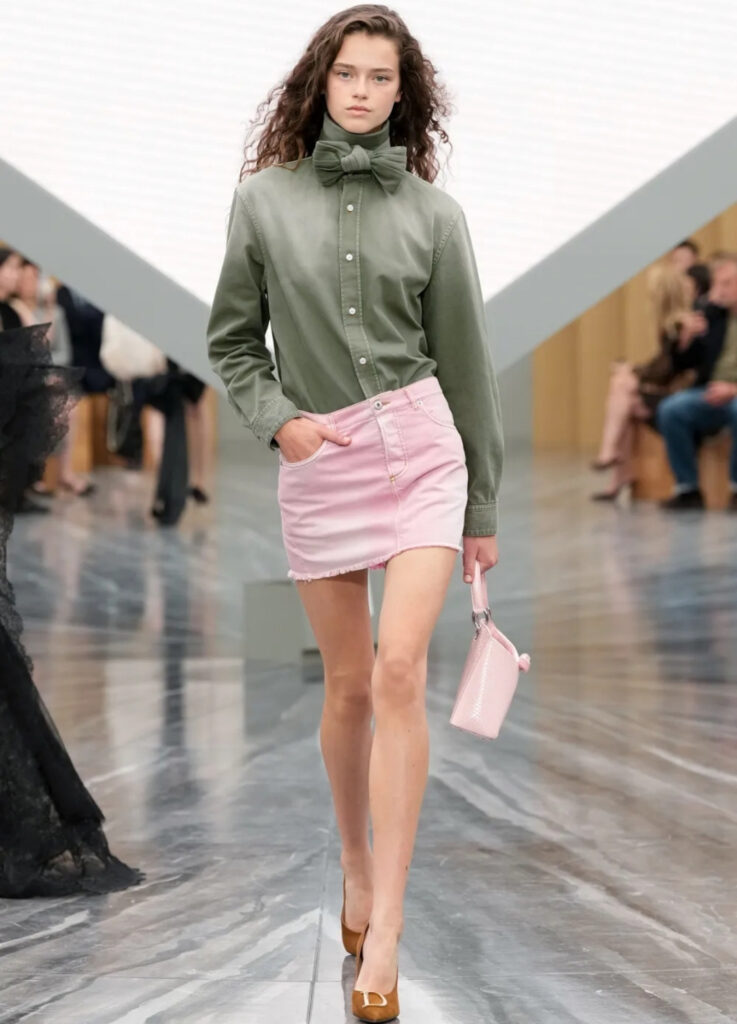
One of the most recurring motifs was the shirt.
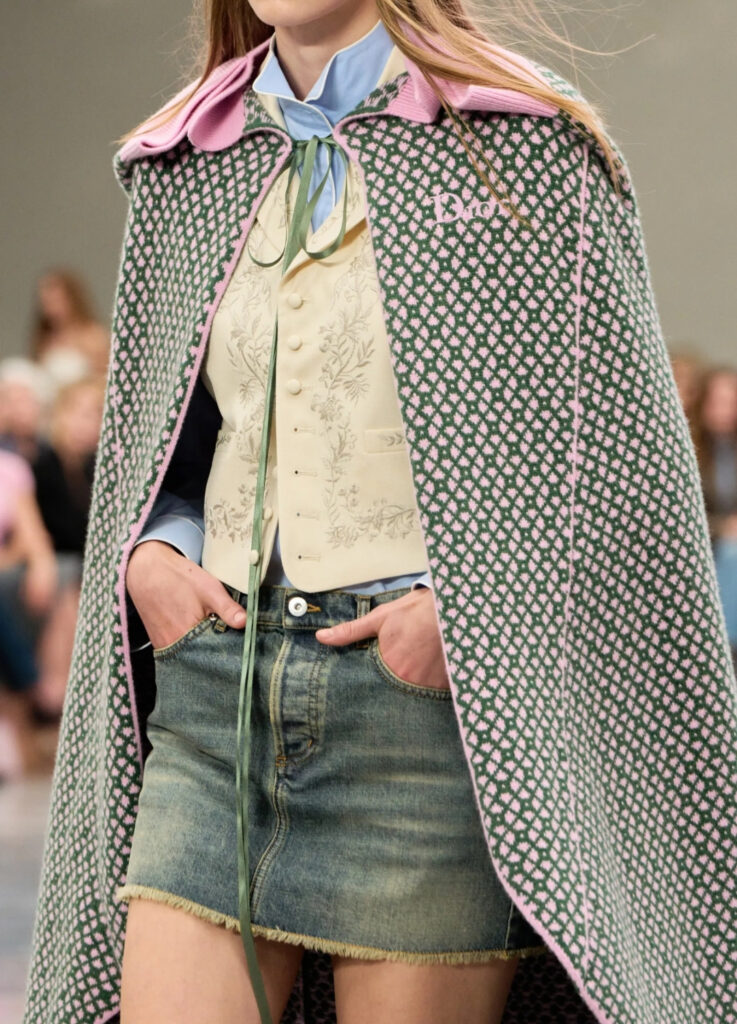
Crisp button-downs appeared paired with micro skirts, pastel denim, or softly tailored trousers. Some were styled with oversized bows at the neck—an echo of Dior’s historic femininity—but the effect was intentionally awkward rather than romantic.
These looks carried a sense of deliberate naivety. Not girlishness, but youth viewed through an adult lens.
From a styling perspective, these outfits are deceptively difficult. The shortened hemlines and straight silhouettes demand long legs and a certain physical neutrality. On shorter or wave-dominant bodies, proportions can quickly tilt toward imbalance unless carefully altered.
2. Draping as Architecture, Not Decoration
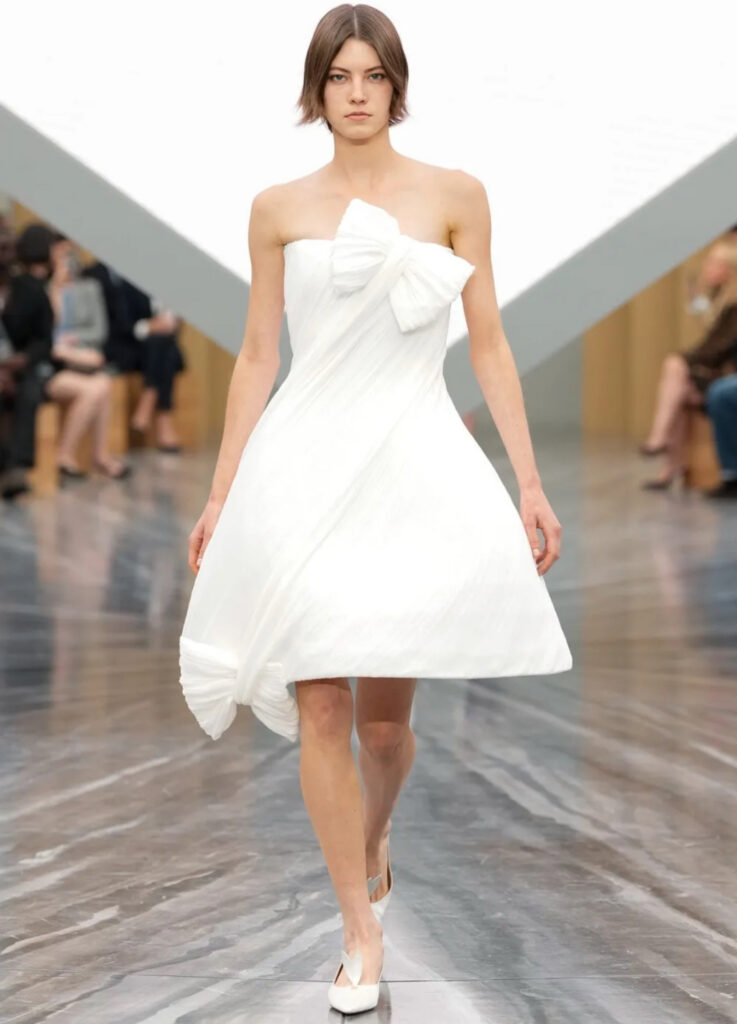
Draping played a central role, particularly in white and ivory dresses.
Rather than flowing freely, fabric was pulled inward, twisted, or gathered at the body’s center—creating structural volume that felt almost sculptural. One standout look featured a white dress cinched at the hips, the fabric collapsing inward as if folded rather than sewn.
This was draping used to interrupt beauty, not enhance it.
The effect on the runway was striking, but these pieces are among the most body-sensitive in the collection. They reward height, narrow frames, and strong bone structure. On softer silhouettes, the same constructions may overwhelm rather than articulate the body.
3. Pastels with Discipline
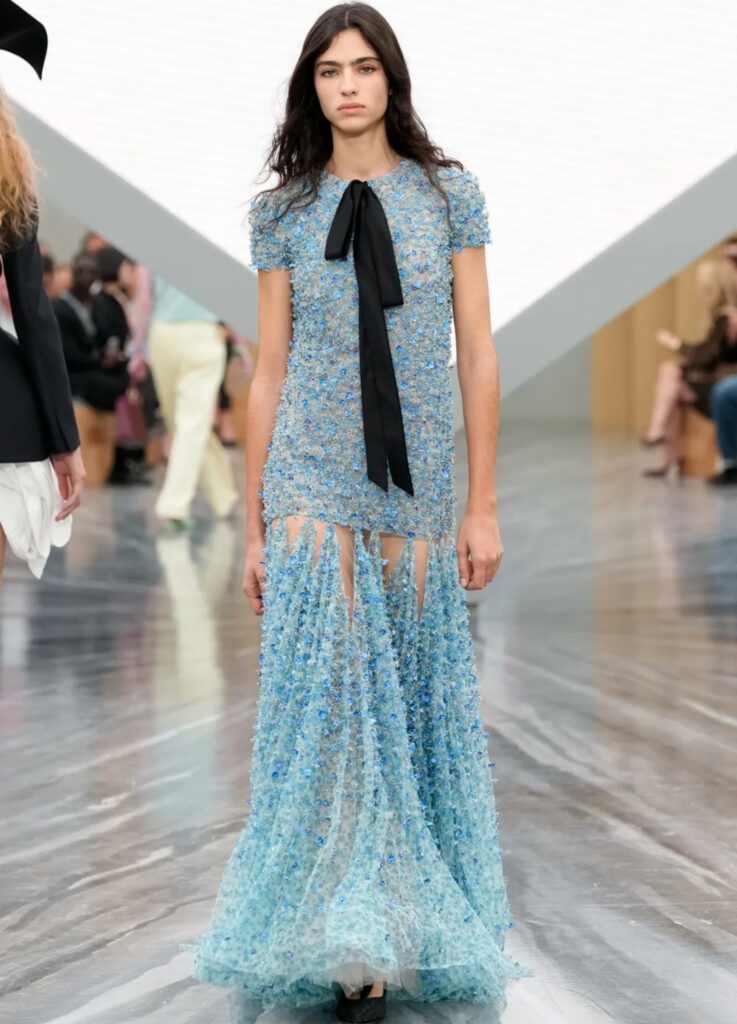
Color was restrained but strategic.
Powder pinks, washed blues, pale greens, and soft yellows appeared throughout the show, often offset by stark black accessories or severe footwear. Pastels here were not sweet—they were controlled, almost intellectual.
This palette choice aligned with Anderson’s broader design language. Softness was always counterbalanced. Nothing was allowed to drift into sentimentality.
Commercially, these pieces will likely resonate strongly with a younger Dior audience. Yet they also demand precise styling; without contrast, the looks risk appearing overly fragile or unfinished.
4. Tailoring Reduced to Essentials
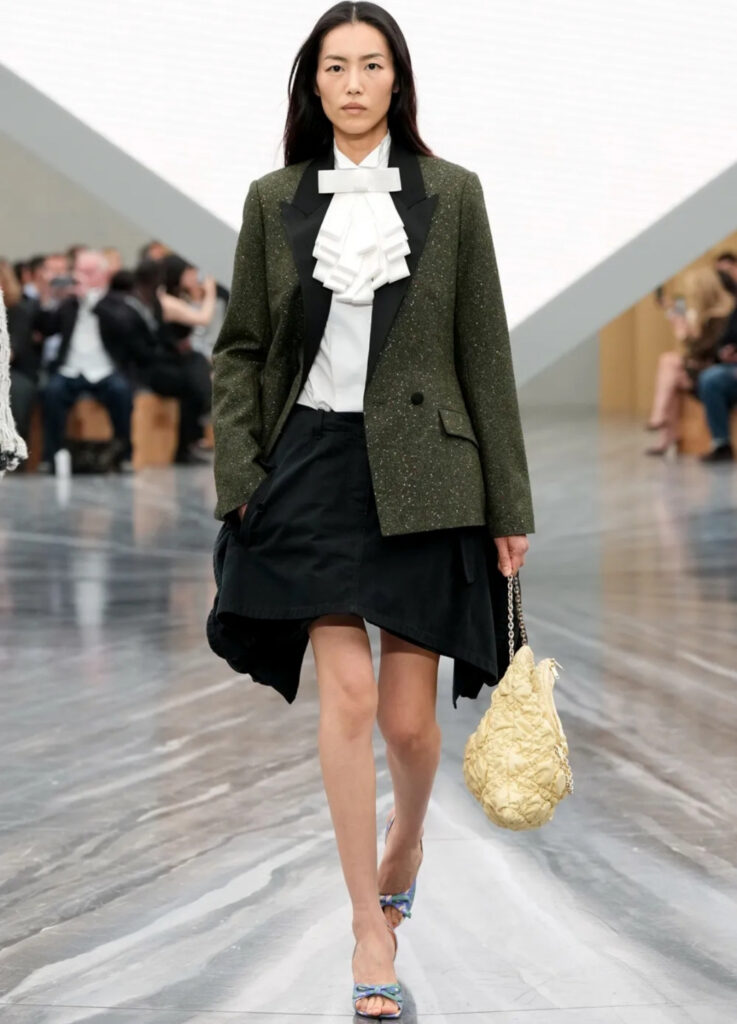
Tailoring appeared in abbreviated forms: cropped jackets, fitted blazers with softened shoulders, and clean-lined suits stripped of excess structure.
Unlike traditional Dior tailoring, which often celebrates shape and waist emphasis, Anderson’s versions were neutralized. They neither sculpted nor concealed the body.
This approach reflects a broader shift in contemporary luxury—where authority comes from clarity rather than power dressing. However, it also narrows the range of bodies these garments naturally flatter.
For wearers with curves or shorter proportions, tailoring adjustments will be essential.
5. Accessories as Emotional Signals
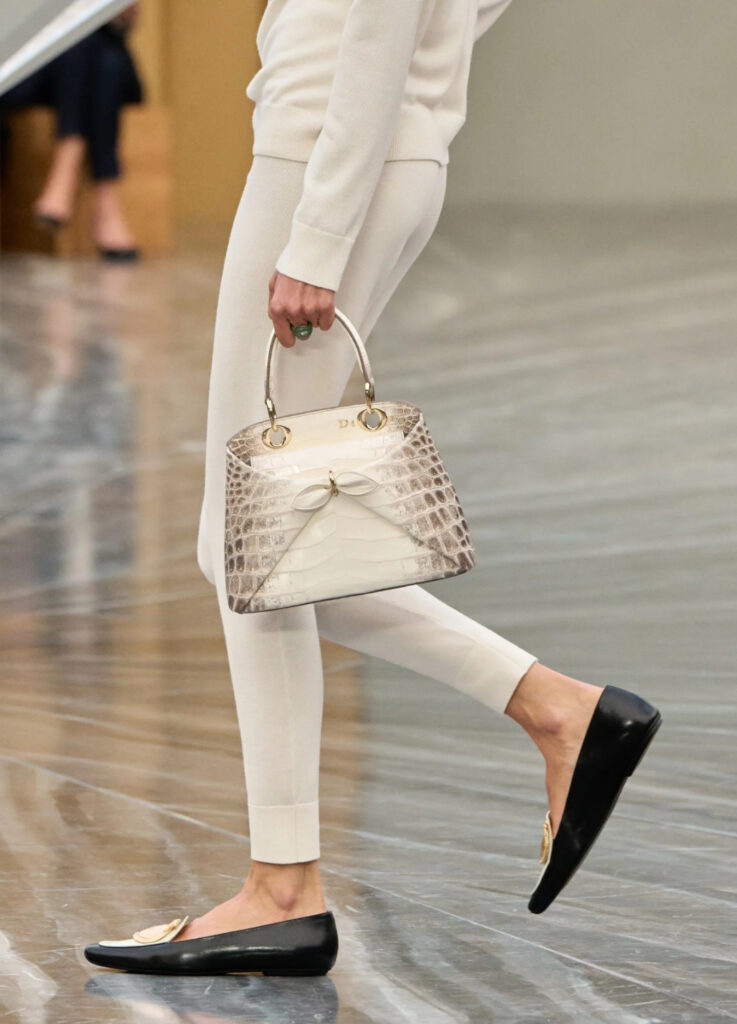
Bags and shoes functioned as emotional punctuation rather than status symbols.
Pastel handbags with subtle bows, softened leather textures, and understated hardware reinforced the collection’s underlying mood: vulnerability presented without apology.
Notably, accessories did not overpower the clothes. They followed the garments’ logic instead of leading it—a refreshing departure from logo-driven styling.
Industry Response: Anticipation Meets Caution
It is important to state plainly: this collection is not universally accommodating.
The dominant silhouettes favor:
- tall frames
- narrow hips
- minimal curves
- balanced proportions
Petite bodies, or those with pronounced softness, may find many of the looks challenging without significant tailoring. This is not a flaw of execution, but a consequence of Anderson’s aesthetic priorities.
In Western fashion discourse, similar critiques have emerged around neutral youth tailoring and deconstructed femininity—often cited as visually compelling but selectively wearable.
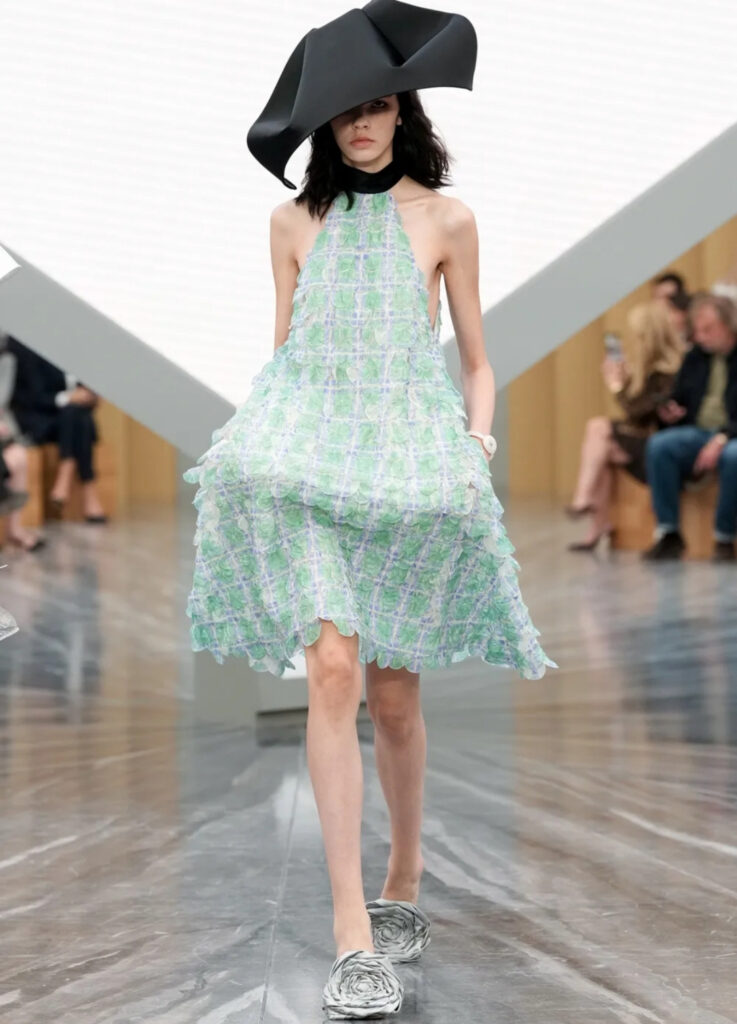
Why This Debut Matters
Jonathan Anderson did not arrive at Dior to repeat its history.
Instead, he reframed femininity as something provisional—unfinished, experimental, and occasionally uncomfortable. This was Dior seen through a contemporary lens that values questioning over certainty.
In an industry saturated with overt statements, this approach feels both risky and sincere.
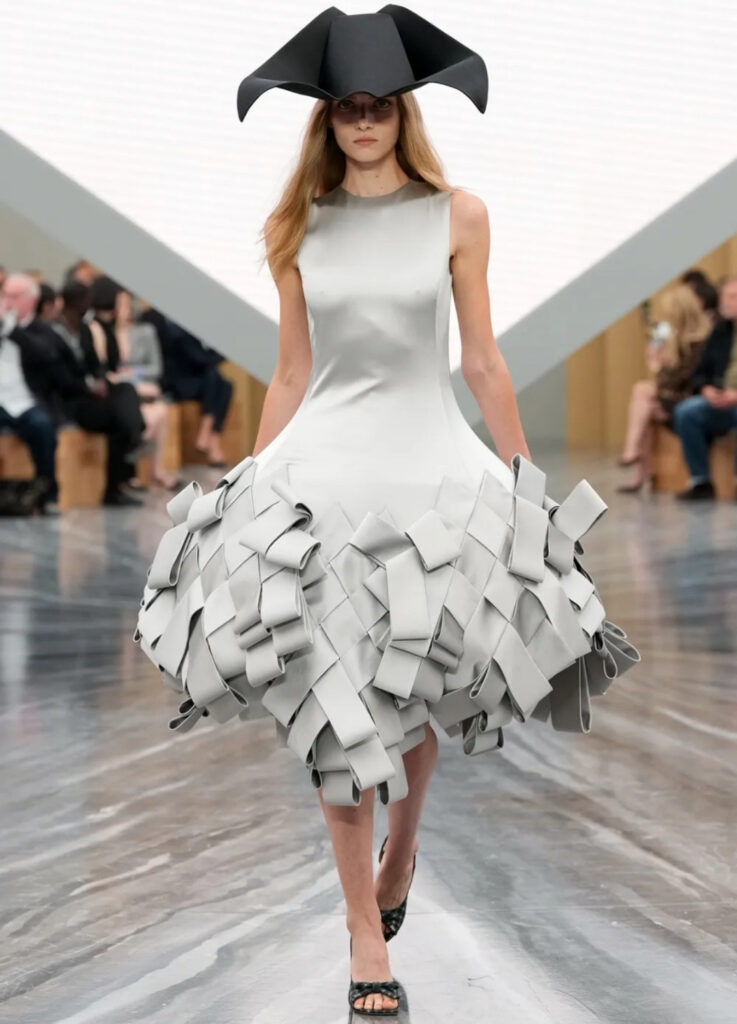
Final Reflection
Dior Spring/Summer 2026 is not a collection designed to seduce immediately.
It asks to be considered, not consumed.
Jonathan Anderson’s debut suggests a Dior that listens before it declares, that observes before it defines. Whether this vision evolves into a long-term language remains to be seen.
For now, it marks a beginning—quietly assertive, intellectually grounded, and unmistakably his.
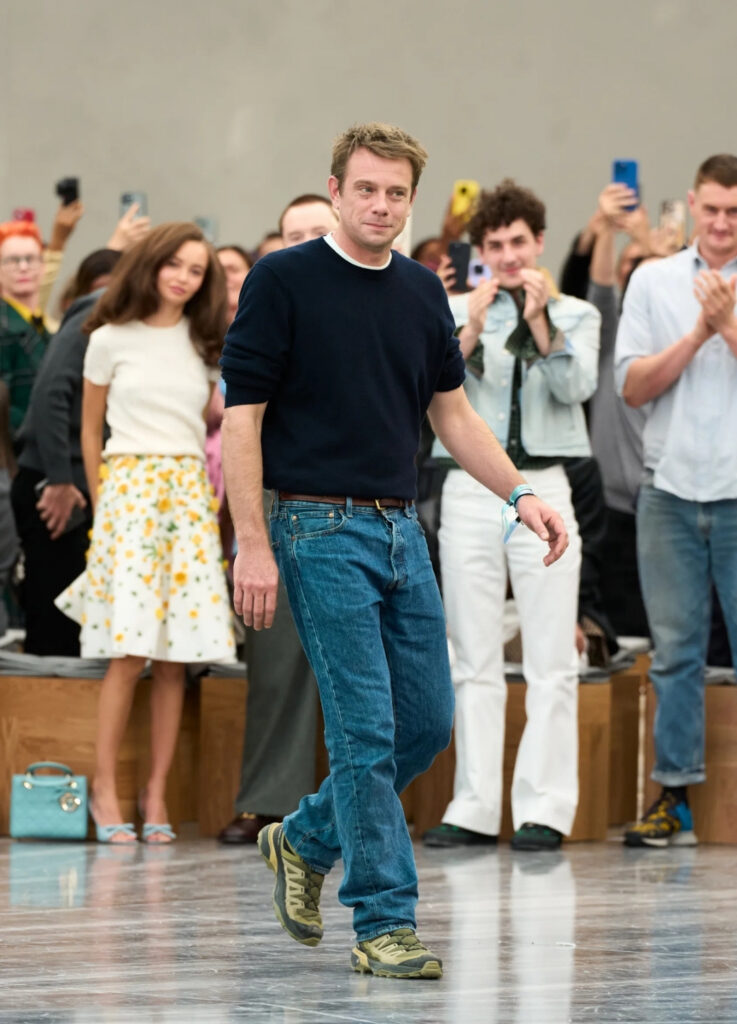
All images referenced in this post are drawn from Vogue Runway.
[ Related Editorials ]