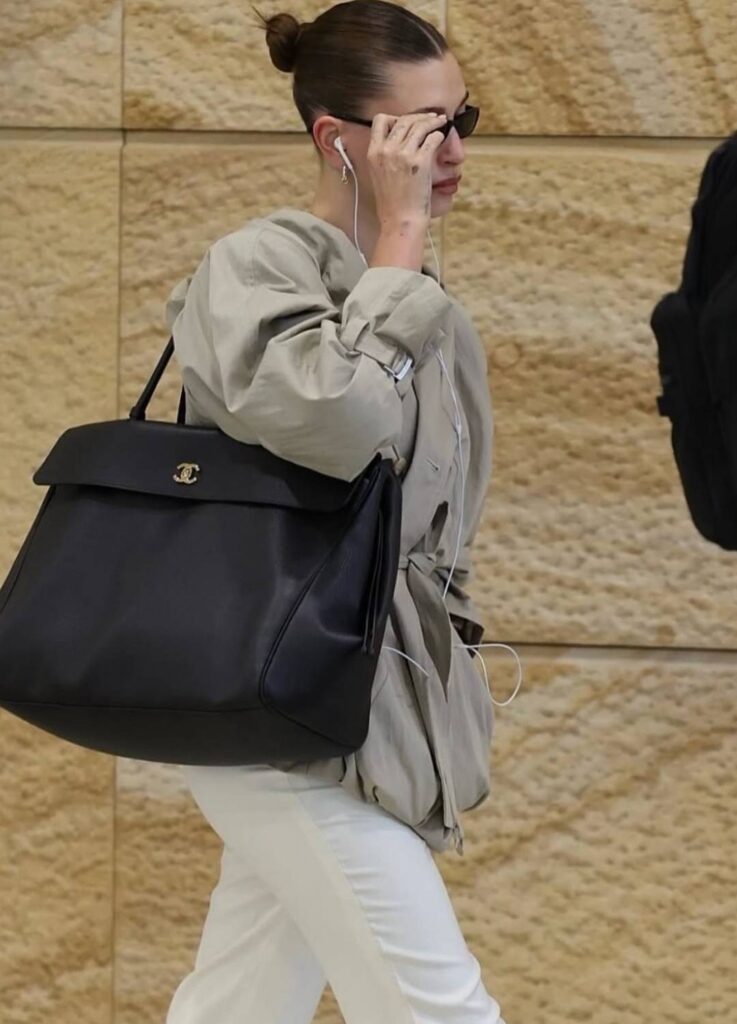
Chanel’s Spring/Summer 2026 bags do not announce themselves through spectacle.
At first glance, they feel familiar—almost already known.
But this is precisely the point.
This season, novelty does not come from invention, but from reorganization.
Rather than adding new icons, Matthieu Blazy removes emphasis, redistributes structure, and quietly recalibrates how a Chanel bag is meant to function in daily life.
These bags are not designed to perform as visual statements.
They are designed to operate within the wearer’s movement, posture, and routine.
This review examines Chanel 26S bags through three lenses:
- Matthieu Blazy’s design intent
- Structural and proportional shifts from previous seasons
- Model-by-model analysis, including durability, use cases, and body-type compatibility
1. Matthieu Blazy’s Intent
Translating Ease into Luxury
The most consistent keyword across Blazy’s first Chanel bag season is ease.
Not casualness, and not looseness—but physical and visual ease translated into luxury.
This intent materializes through:
- Bags designed to sit against the body rather than be held away from it
- Hardware that remains present but deliberately restrained in scale and placement
- Surface texture and material quality prioritized over overt decoration
The result is a shift in hierarchy.
These bags do not lead the outfit—they complete its rhythm.
In this sense, Chanel 26S bags function less as icons and more as tools that finish a day’s movement.
2. What Changed in Chanel 26S Bags
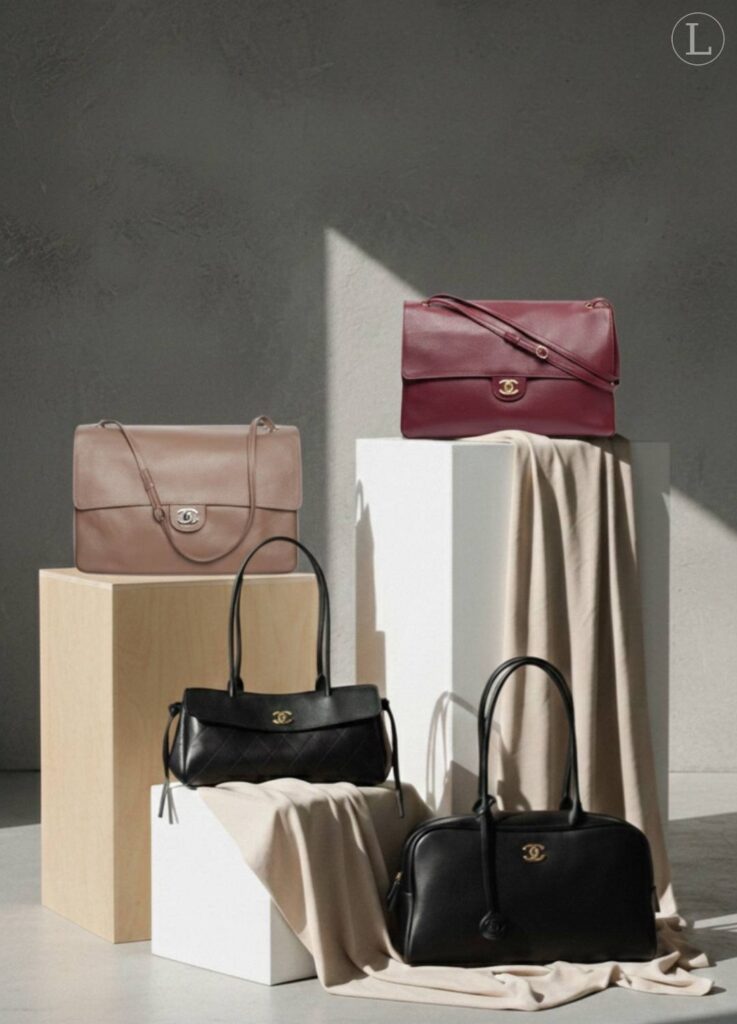
(1) Iconic Elements Are Reduced, Not Removed
Quilting, double-C logos, and chains remain—but no longer dominate.
- Quilting becomes a surface treatment rather than the focal point
- Logos are scaled down or repositioned
- Chains move closer to function than ornament
The visual impression shifts from
“This is Chanel” → “This is a bag, which happens to be Chanel.”
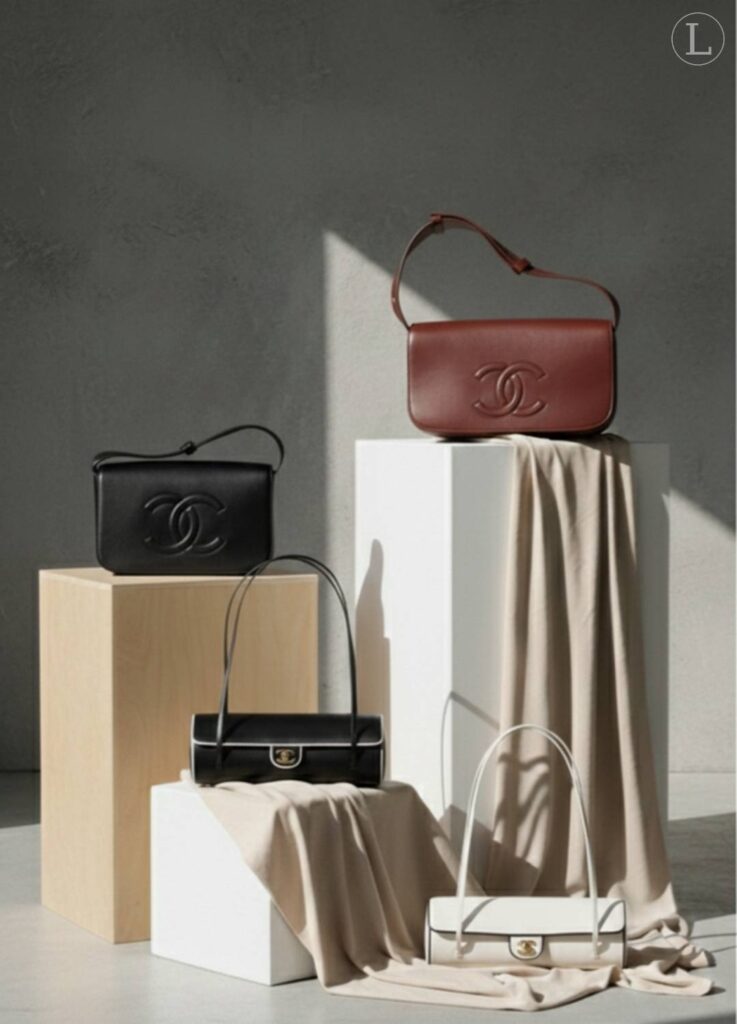
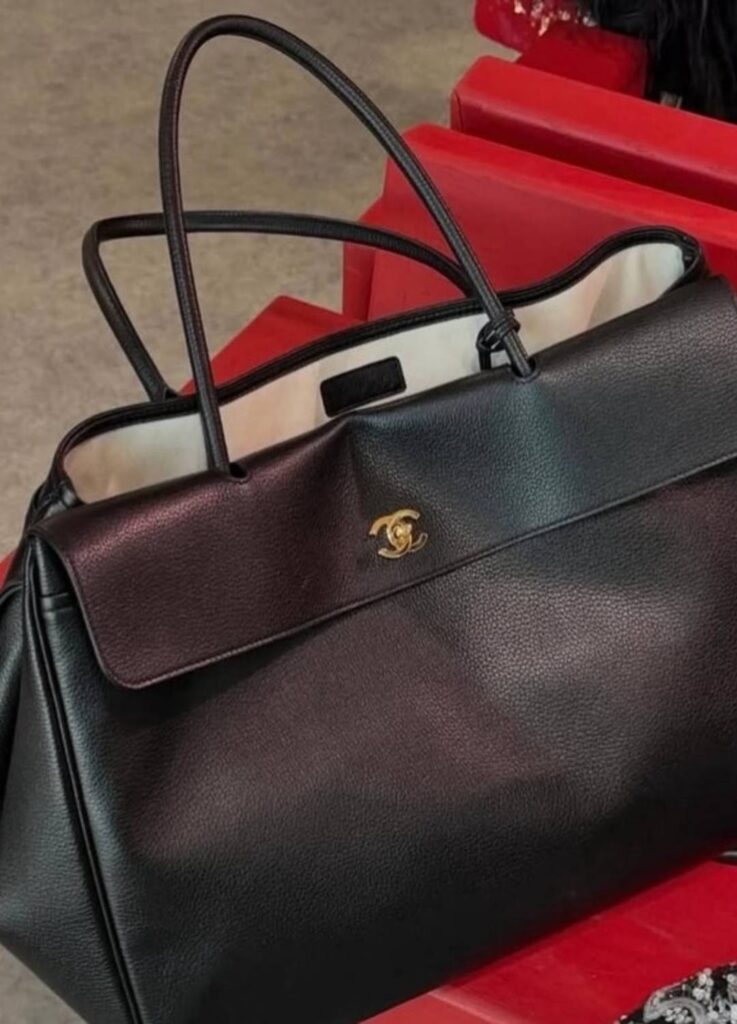
(2) Bags Are Larger, Yet Visually Lighter
Spring/Summer 2026 is unmistakably a big-bag season.
But size has increased without corresponding visual heaviness.
- Wider bases with reduced height
- Sharpened side lines to avoid bulk
- Spacious interiors paired with calm exteriors
Even at scale, these bags do not overpower the wearer’s frame.
(3) From “Carrying” to “Moving Together”
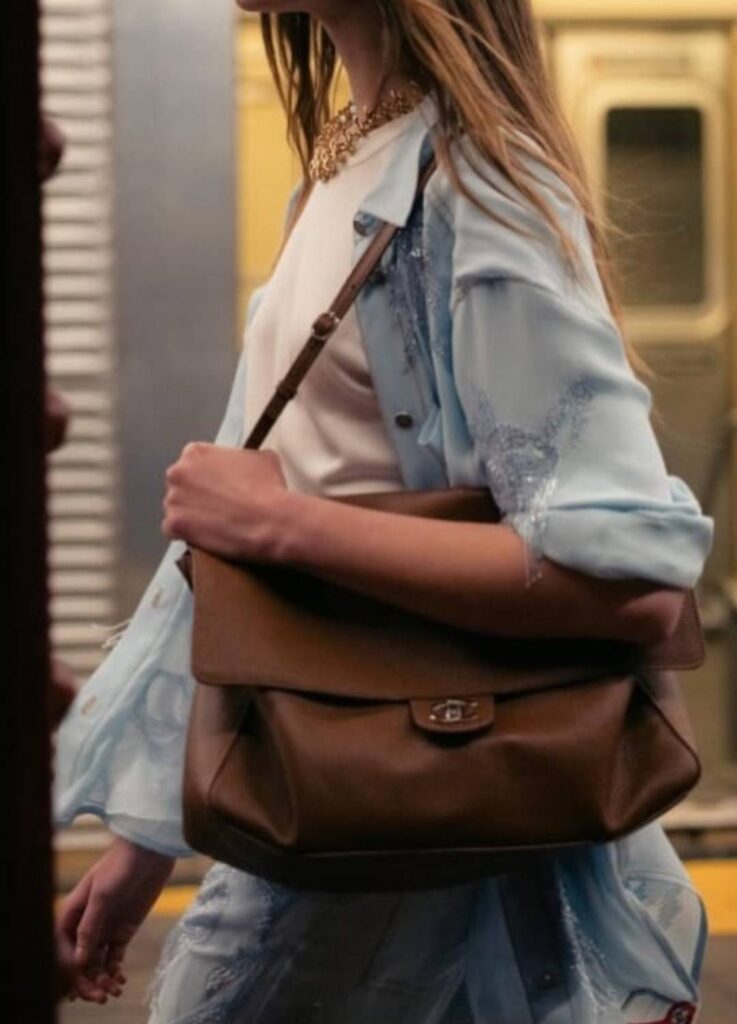
Especially in shoulder bags and hobos, proportion favors on-body balance.
These bags look more resolved when worn than when held.
It is a season where real wear reveals more than runway images.
3. Key Models: Aesthetic, Structure, and Use
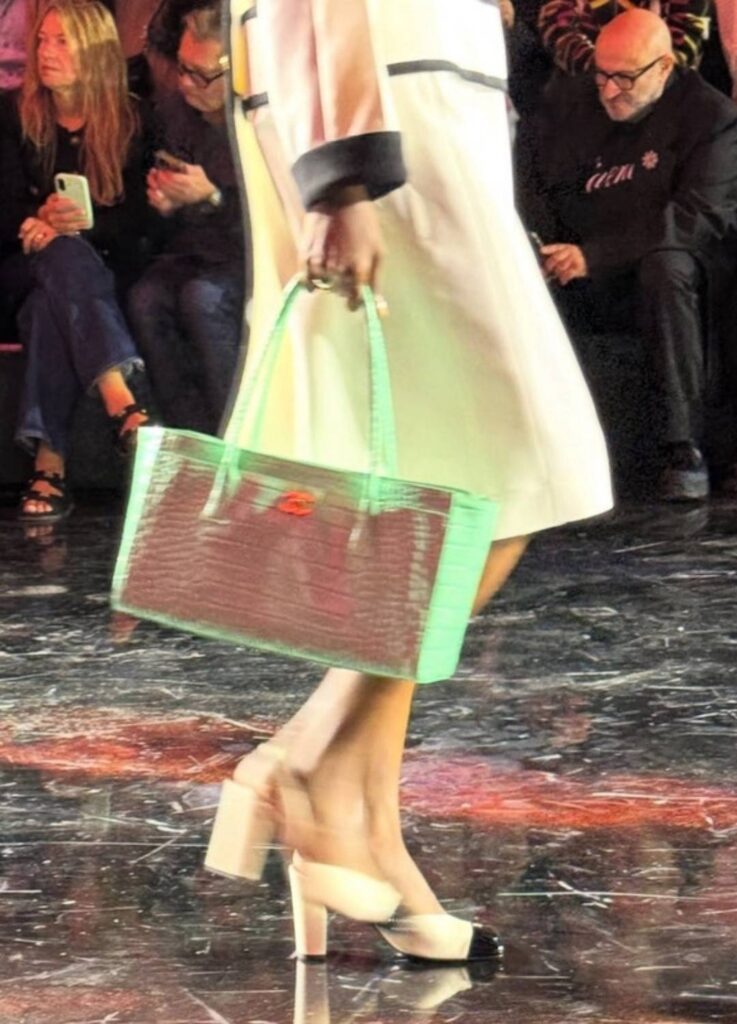
① Surf Bag
Aesthetic Keywords: Flow, Mobility, Incompletion
The Surf Bag comes closest to the idea that a bag becomes part of the outfit rather than an accessory.
Its volume is generous, yet intentionally unstructured.
- Curved lines dominate over straight edges
- A wide base without visual bottom-heaviness
- Logos recede almost entirely into the background
Its beauty lies in deliberate incompletion—a form that finishes itself through movement.
Strengths
- High visual lightness relative to size
- Works across casual and semi-formal contexts
Limitations
- Overwhelms smaller frames
- Lacks clarity for sharply tailored wardrobes
Body Type Recommendation
- 160cm+
- Strong shoulders or existing outfit structure
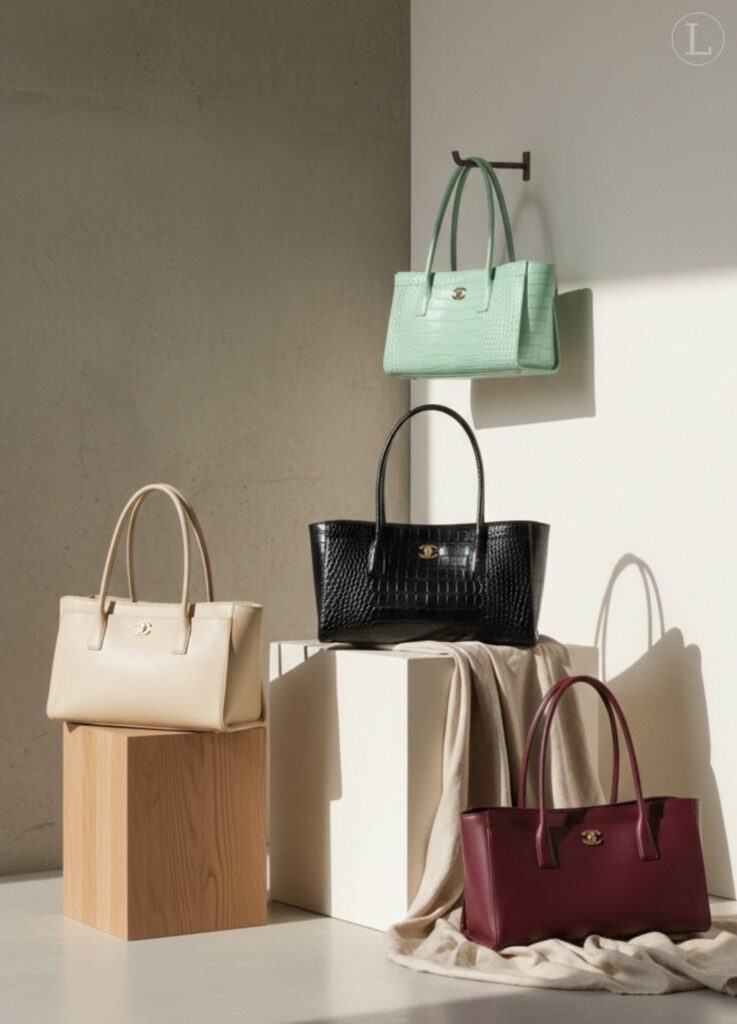
② Tote Bag (Large / Medium Shoulder)
Aesthetic Keywords: Stability, Containment, Order
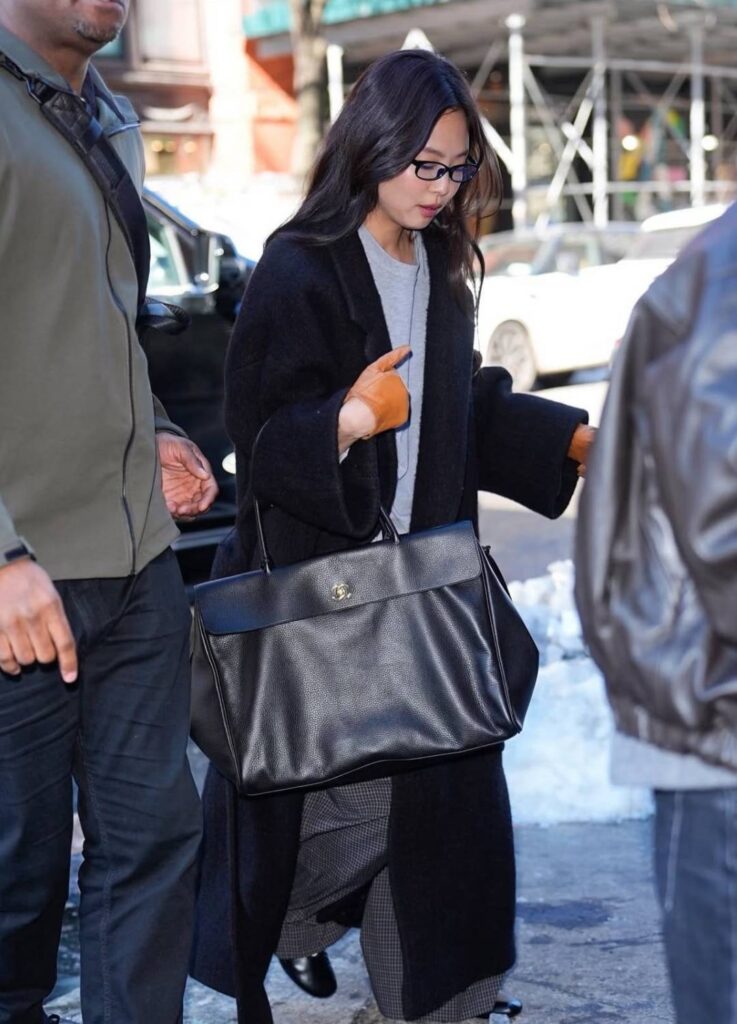
Often compared to The Row’s Margaux silhouette, this tote speaks in a quieter register.
- Conservative handle length and angles
- Closed top, disciplined side lines
- Minimal internal compartmentation
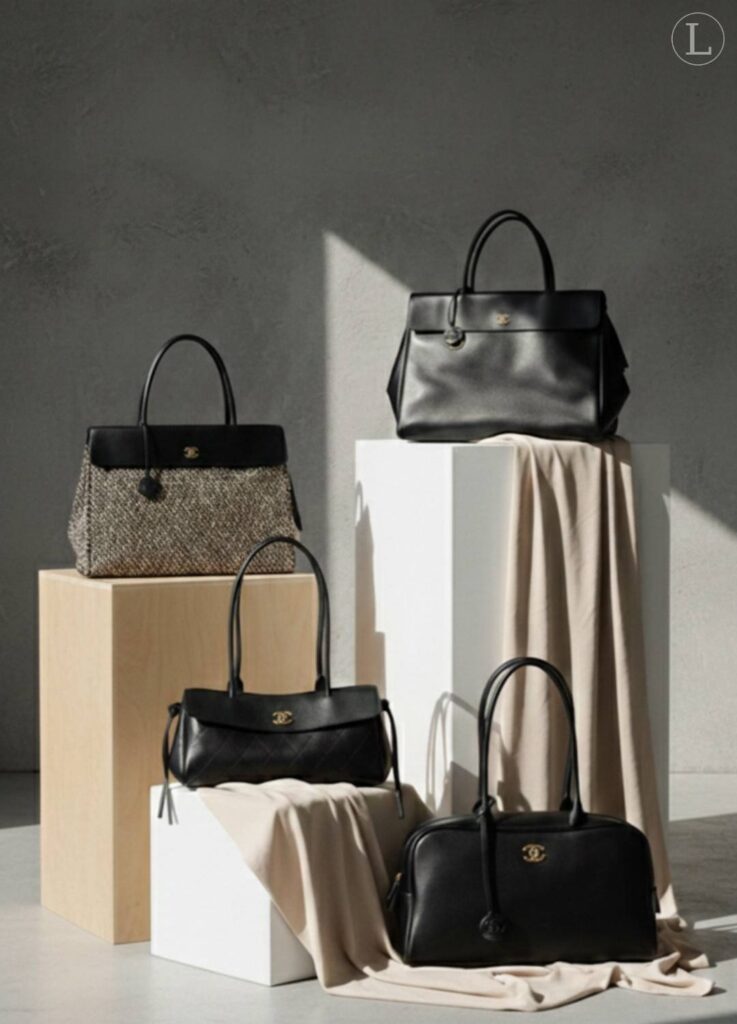
The large version emphasizes capacity, while the medium shoulder size prioritizes balance.
This is not a statement bag—it is a container for daily life.
Large Tote
- Pros: Ideal for travel and movement-heavy days
- Cons: Requires height to maintain proportion
Medium Shoulder Tote
- Pros: Most versatile daily option
- Cons: Visual neutrality over personality
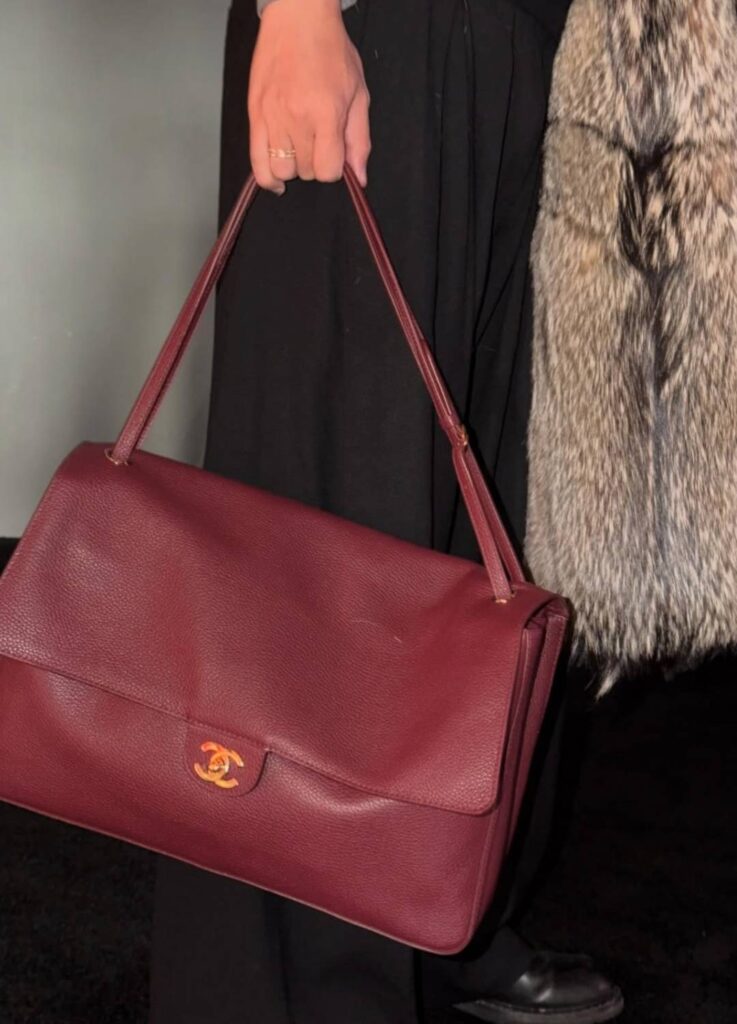
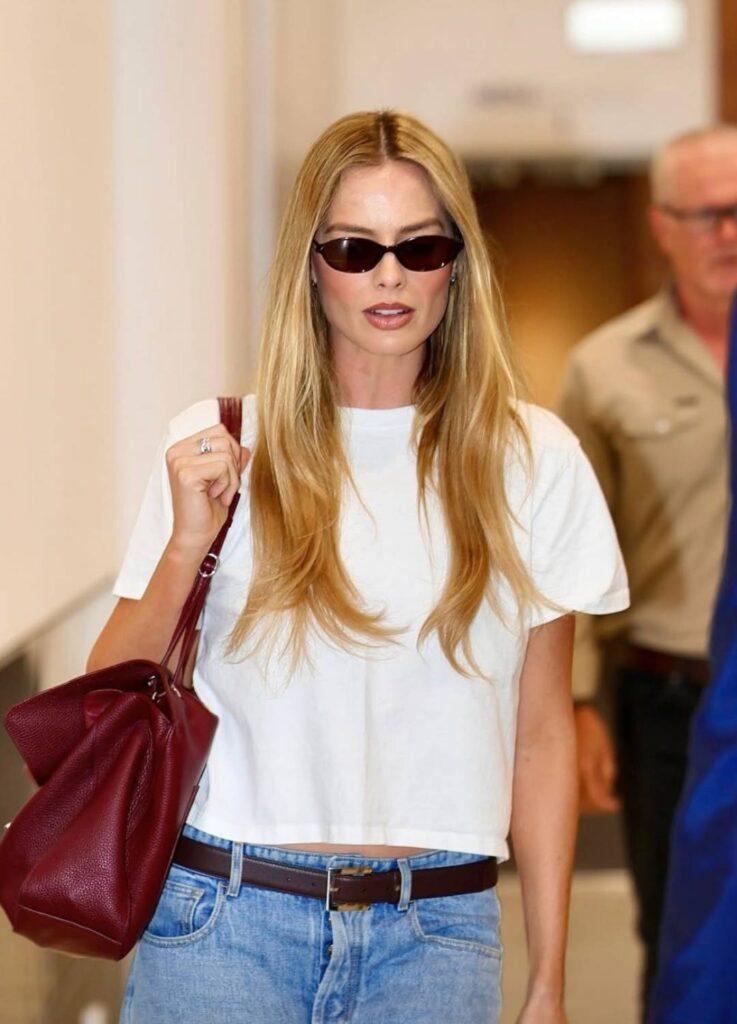
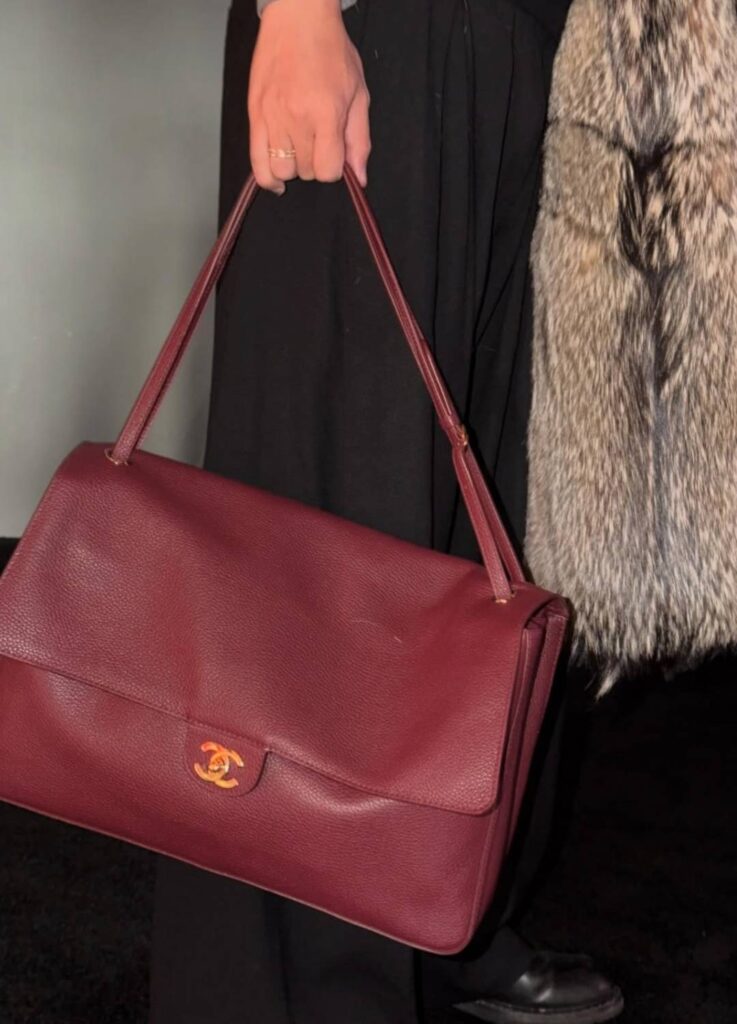
③ CC Flap Big Bag (Thin Leather Strap)
Aesthetic Keywords: Memory, Translation, Expansion
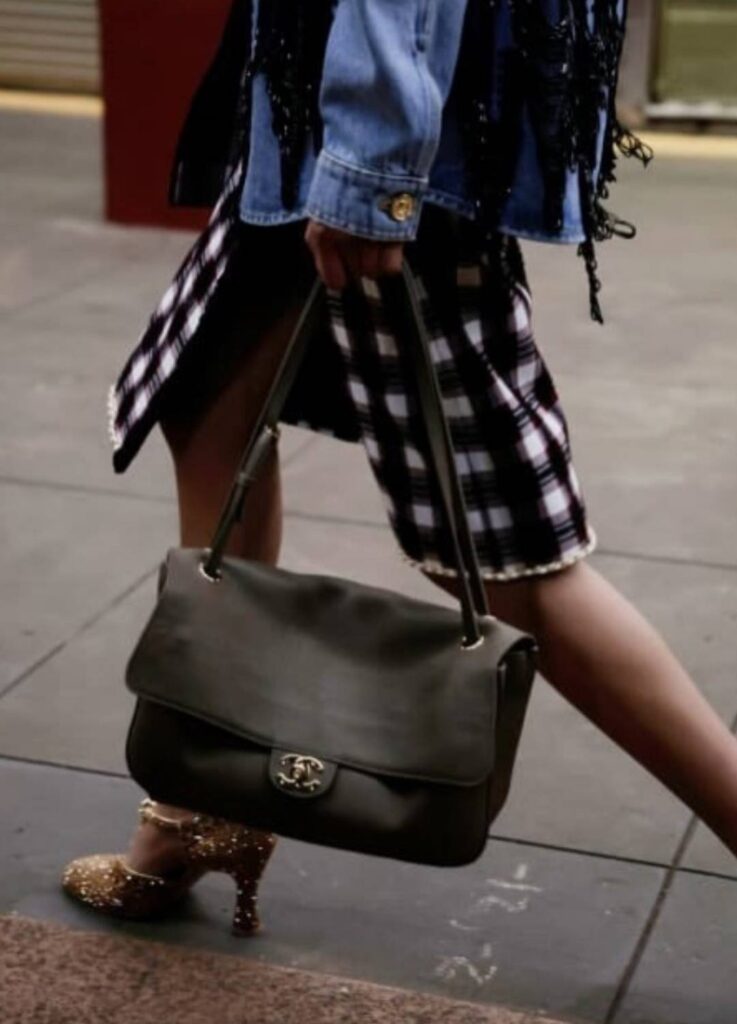
This is not a simple enlargement of the classic flap.
While the flap form remains, the choice of a thin leather strap instead of a chain radically changes its structural behavior.
- The body remains relatively stable
- Weight concentrates at strap attachment points
- Long-term heavy use risks strap fatigue
This bag translates the idea of the classic flap into modern scale—but not into modern load-bearing capacity.
Best Use
- Light daily carry
- Style-focused wear
Avoid
- Heavy, long-term shoulder use
④ Hobo Bag with Large CC Logo
Aesthetic Keywords: Directness, Presence
The hobo is the most explicit bag of the season.
- Prominent CC logo
- Unified strap-body curve
- Weight distributed along the shoulder line
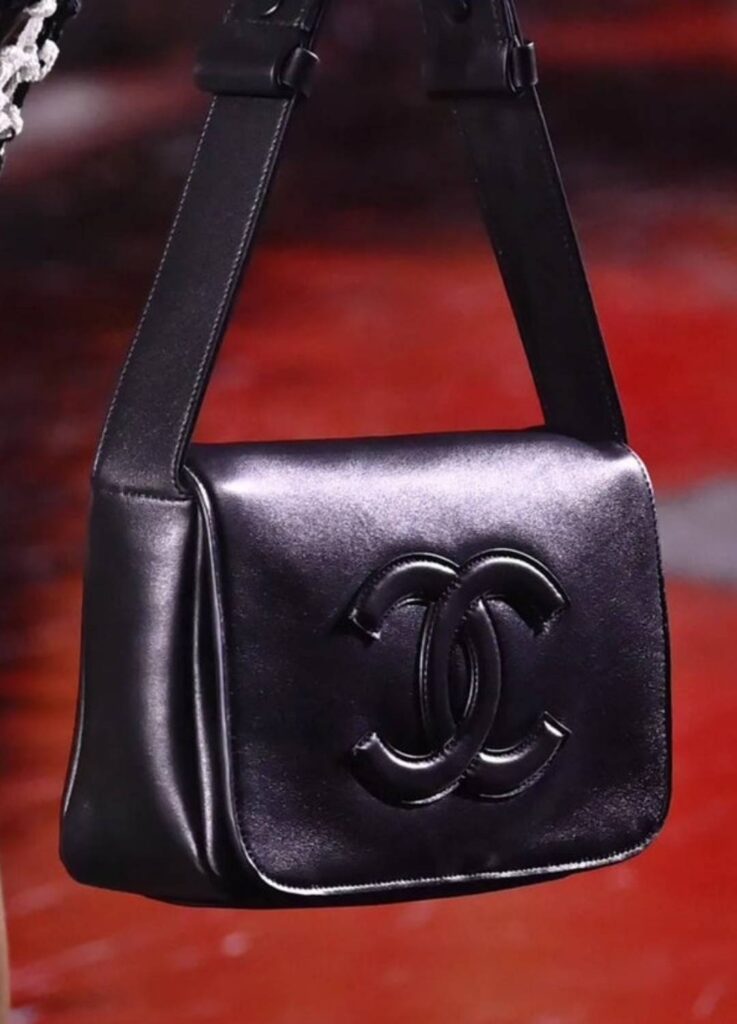
Its strength lies in clarity of purpose.
Unlike other models, this bag tolerates weight by adapting its center of gravity rather than collapsing.
Best Suited For
- Slim upper bodies with stable shoulders
Caution
- Can exaggerate volume on fuller upper frames
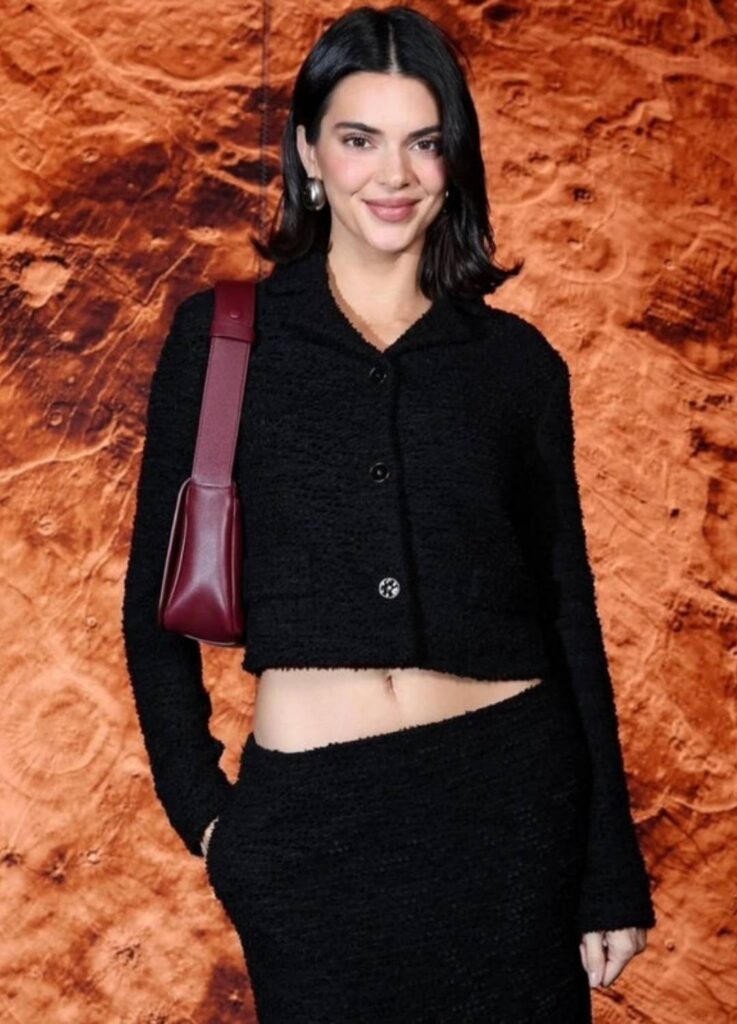
4. Structural Reading: Are These Bags Durable?
Despite their lightness, very few Chanel 26S bags are designed for sustained heavy loads.
They do not resist weight; they adapt to the wearer’s body instead.
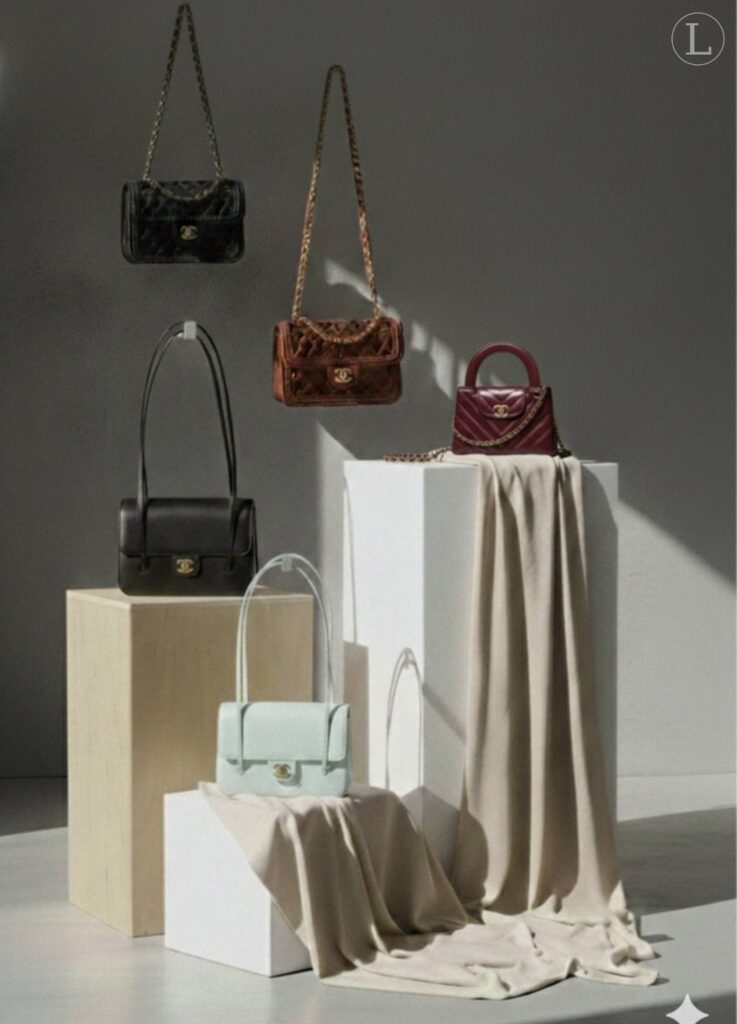
- Surf Bag → movement-responsive, not load-bearing
- Tote → visually large, structurally light
- Flap Big Bag → form-stable, strap-vulnerable
- Hobo → most structurally forgiving under weight
These are bags designed to move with life, not carry it in bulk.
Conclusion
Chanel Spring/Summer 2026 bags are not about creating a new icon.
They are about lowering the position at which Chanel operates—closer to the body, closer to real use.
Matthieu Blazy does not redefine Chanel.
He simply shifts where it lives.
And that adjustment, precisely because it is quiet, may last longer than expected.
[ Related Editorials ]