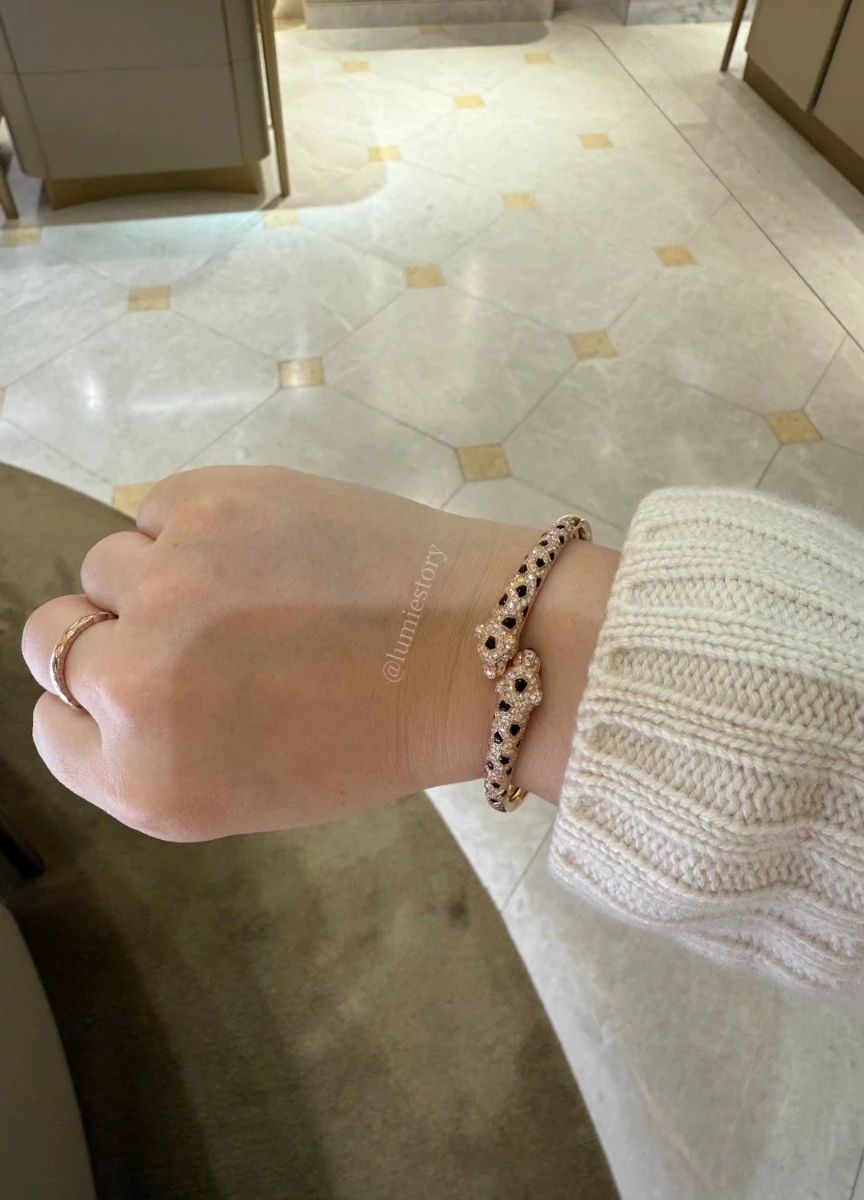
Reading the Panthère bracelet in classic non-pavé, onyx, and semi-pavé configurations
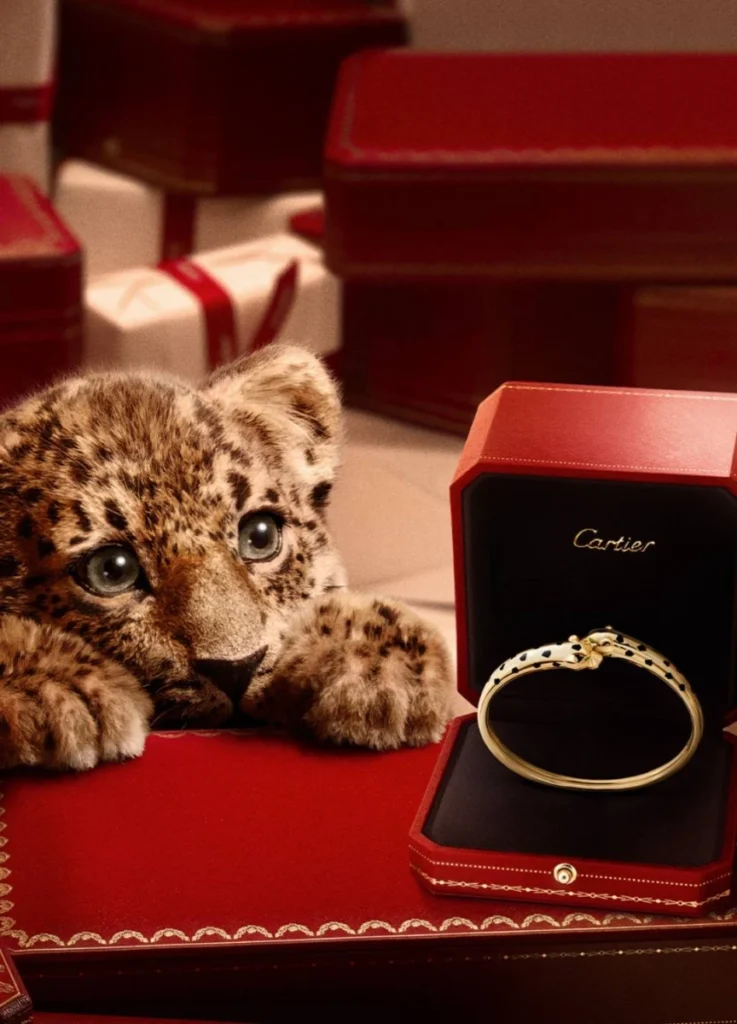
@cartier / Instagram
The Panthère bracelet was never designed to project strength.
It does not assert itself. It does not dominate the wrist.
It settles — quietly — following the natural movement of the body, revealing the density of the person who chose it. This is a bracelet that speaks less about power and more about balance.
The reading runs against the maison’s standard marketing of the panther as a symbol of fierce female independence. Cartier itself describes the panther as fierce, playful, or lovable, displaying all the facets of its liberated personality from one collection to the next. The framing is accurate, but incomplete. On the actual wrist, the bracelet operates in a quieter register than the language suggests. The strength reads as composed rather than declared.
This review examines three configurations of the Panthère de Cartier bracelet — classic non-pavé, onyx with non-pavé, and semi-pavé with onyx — examining how hardware construction, sizing, and material density determine who this piece actually belongs to. The Small + Semi-Pavé model that recently joined the lineup gets specific attention. And I’ll explain why this collection has the potential to age with unusual precision over time.
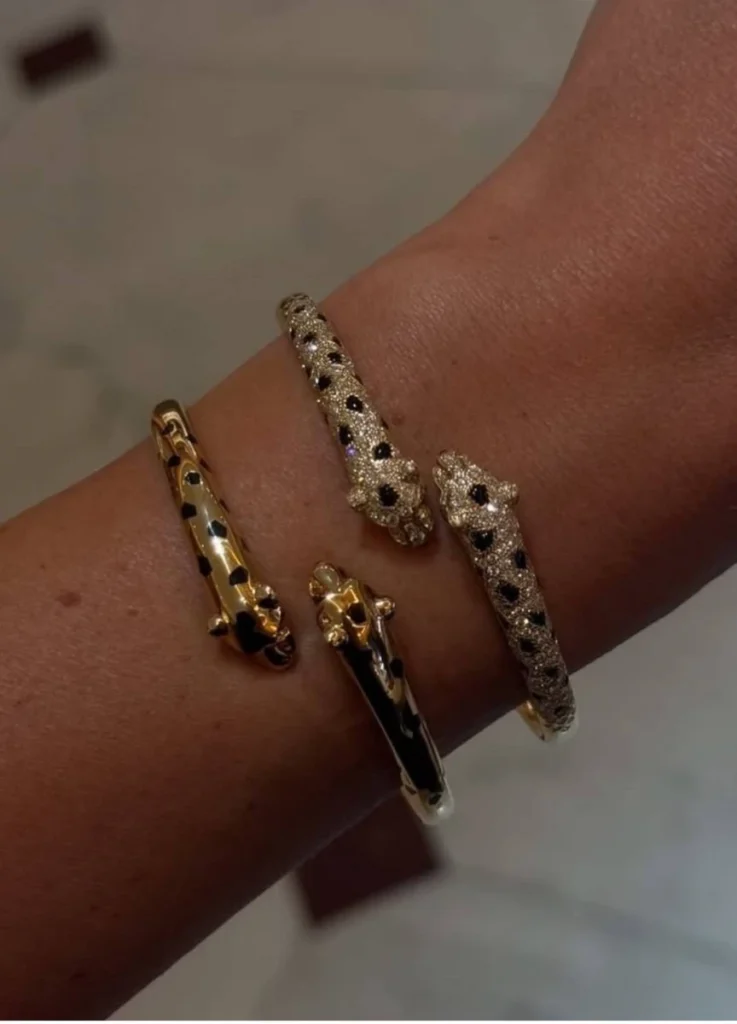
@cartieraddict / Instagram
The Panthère, Reconsidered — Not a Predator, but a Balanced Organism
The essence of the Panthère bracelet sits not in its feline symbolism, but in its movement.
Once worn, what registers first isn’t the hardness of metal. It’s the fluidity created by the articulated structure. Each segment — the head, body, and tail — is engineered to rotate and glide naturally along the wrist rather than sit rigidly upon it.
This isn’t a bracelet that grips the wrist. It follows it.
For wrists with defined bones, softly contoured frames, or slimmer lines, the Panthère adapts — responding differently to each anatomy without losing its composure. The articulation is what separates this bracelet from the maison’s other category-defining pieces. The Love bracelet sits firmly in place. The Juste un Clou holds tension across the wrist. The Panthère, by contrast, moves. It carries the weight of fine jewelry but reads as a second skin once the wrist learns to wear it.
The heritage matters here. The panther first entered Cartier’s design vocabulary in 1914, when Louis Cartier introduced the motif into the maison’s lexicon. His colleague Jeanne Toussaint turned it into a legend, as the maison’s own framing puts it. Toussaint became the creative force behind the panther’s elevation from motif to icon, eventually creating the original Panthère bracelet purchased by the Duke of Windsor for Wallis Simpson in 1952 — a piece described in the secondary market as more like a sculpture for the wrist than a piece of jewelry. The bracelet was paved with diamonds and onyx, with marquise-cut emerald eyes set as if fixed on prey.
That sculptural origin still informs the contemporary Panthère bracelet. The maison’s current pieces aren’t direct reproductions, but they extend the same logic: a panther rendered through material density rather than through literal animation.
@cartier / Instagram
Craft Density — Why No Two Panther Faces Are the Same
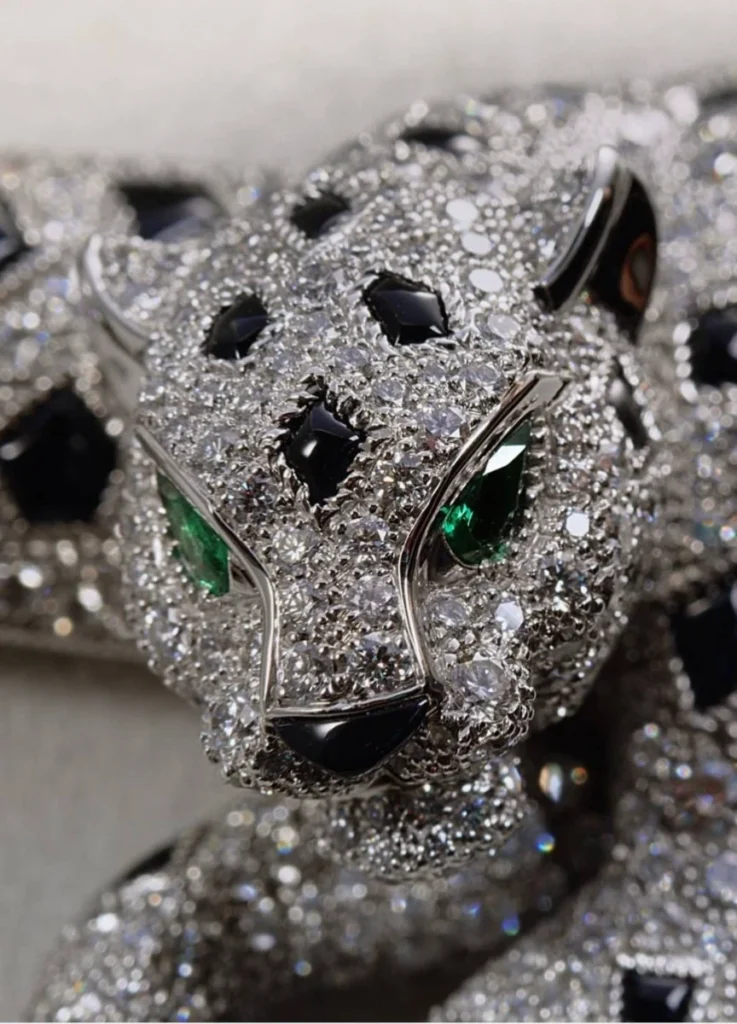
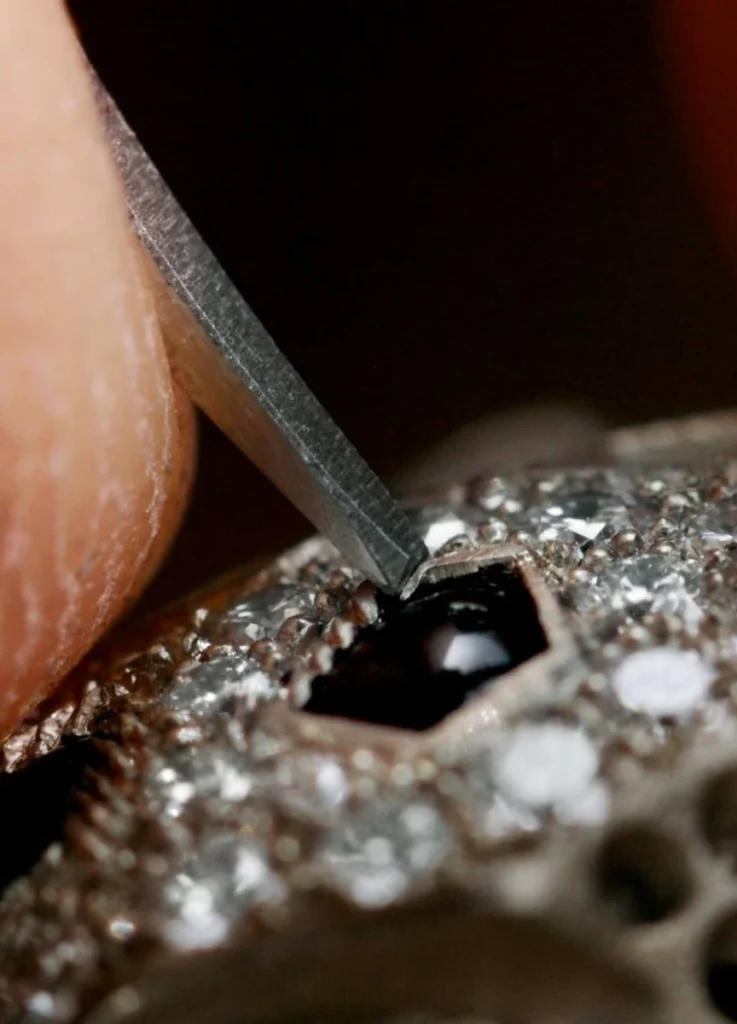
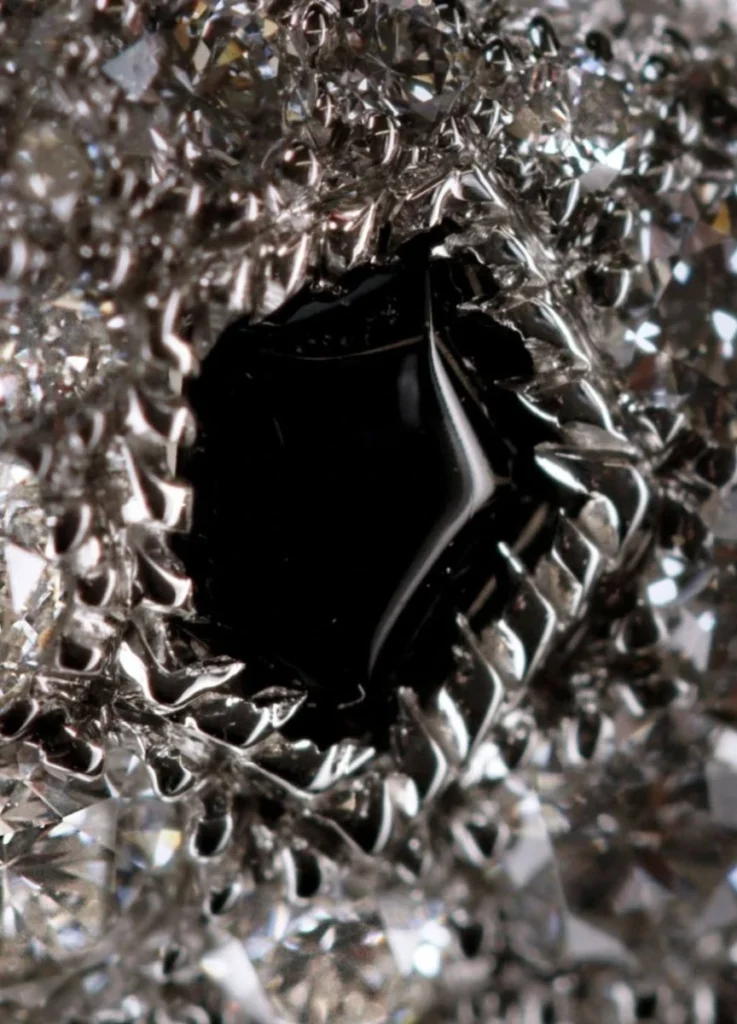
One of the more intriguing aspects of the Panthère de Cartier is that no two panther faces are exactly alike.
This isn’t a flaw. It’s evidence.
Each piece is shaped and assembled through skilled handwork rather than mass uniformity. Subtle differences appear across pieces — in the angle of the eyes, the projection of the nose, the volume of the ears, the curvature around the mouth. The tsavorite garnet eyes refract differently depending on cut and setting depth. The onyx nose carries varied surface tension. The black lacquer spots register as slightly different rhythms across the body.
@cartier / Instagram
The same model can project a slightly different presence depending on who wears it. Rather than offering the satisfaction of owning something perfectly identical, the Panthère leaves a quieter feeling. This one arrived in the shape meant for me.
For first-time Panthère collectors, this dimension matters more than the official marketing typically acknowledges. The bracelet that registers in the boutique window isn’t necessarily the bracelet that arrives. Trying multiple pieces in the same model — particularly for the semi-pavé configurations — reveals variations that don’t show up in catalogue photography. Boutique relationships matter for this reason. The Panthère rewards specific selection rather than catalogue ordering.
@cartier / Instagram
Configuration One — Classic Non-Pavé
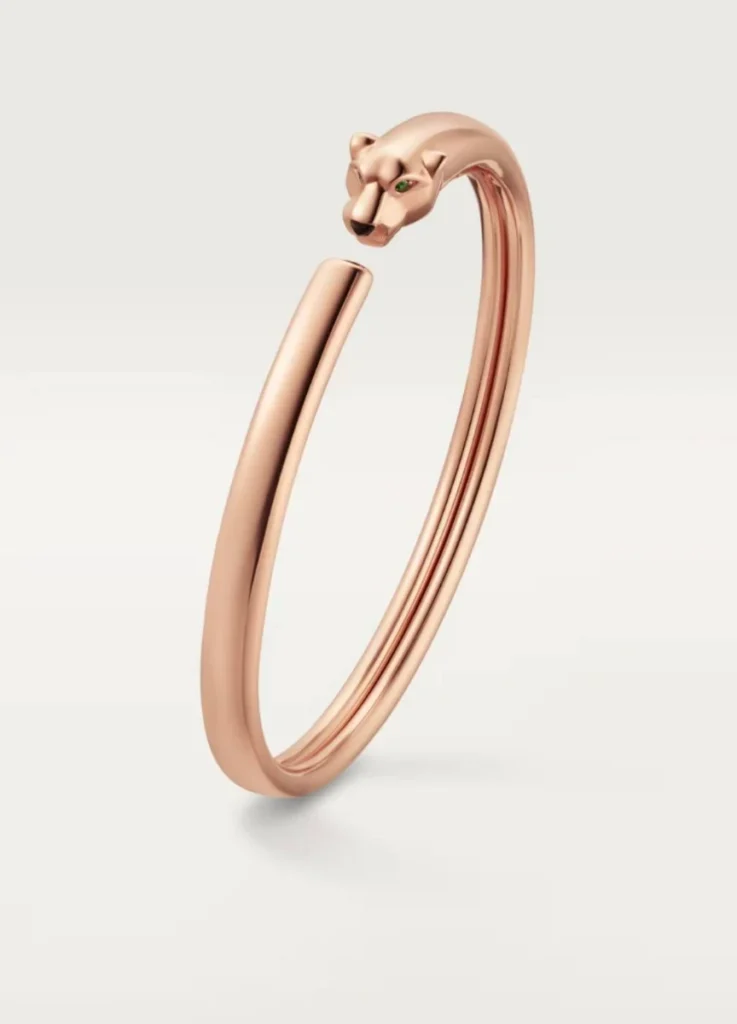
The plain, non-pavé Panthère is the most restrained choice within the collection.
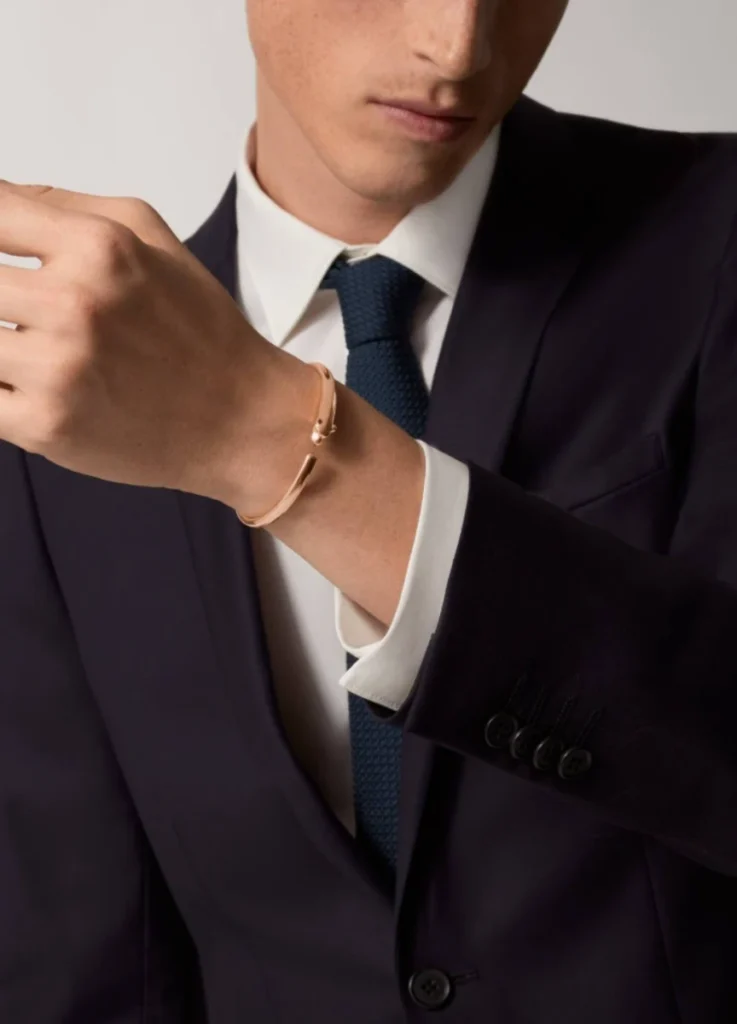
It suits collectors who already possess a defined personal style, who don’t rely on jewelry to explain themselves, and who use jewelry as a finishing element rather than as a focal point. The non-pavé suits a lifestyle where the boundaries between work, private life, and formal settings are deliberately blurred — a single bracelet that operates across all of them without recalibrating.
source: Cartier Official Website
Visually, the panther form remains present but never declared. The bracelet pairs best with restrained garments — knitwear, crisp shirts, tailored coats — rather than overtly decorative outfits. The piece does its work through suggestion rather than statement.
From a hardware perspective, this is the lightest configuration. The pressure on the wrist sits low, the articulation moves freely, and layering with a watch reads as effortless rather than negotiated. For shorter arms or slimmer wrists, the bracelet reads less as an object and more as an extension of the wrist line itself.
The medium model in yellow or rose gold with tsavorite garnets and onyx retails at approximately $26,500 — roughly comparable to a Cartier Love bracelet in plain gold, slightly above the steel Panthère watch at the lower end. The pricing positions the non-pavé as the entry point into the Panthère bracelet category, and the entry point is where many collectors should reasonably start.
source: Cartier Official Website
Configuration Two — Onyx + Non-Pavé
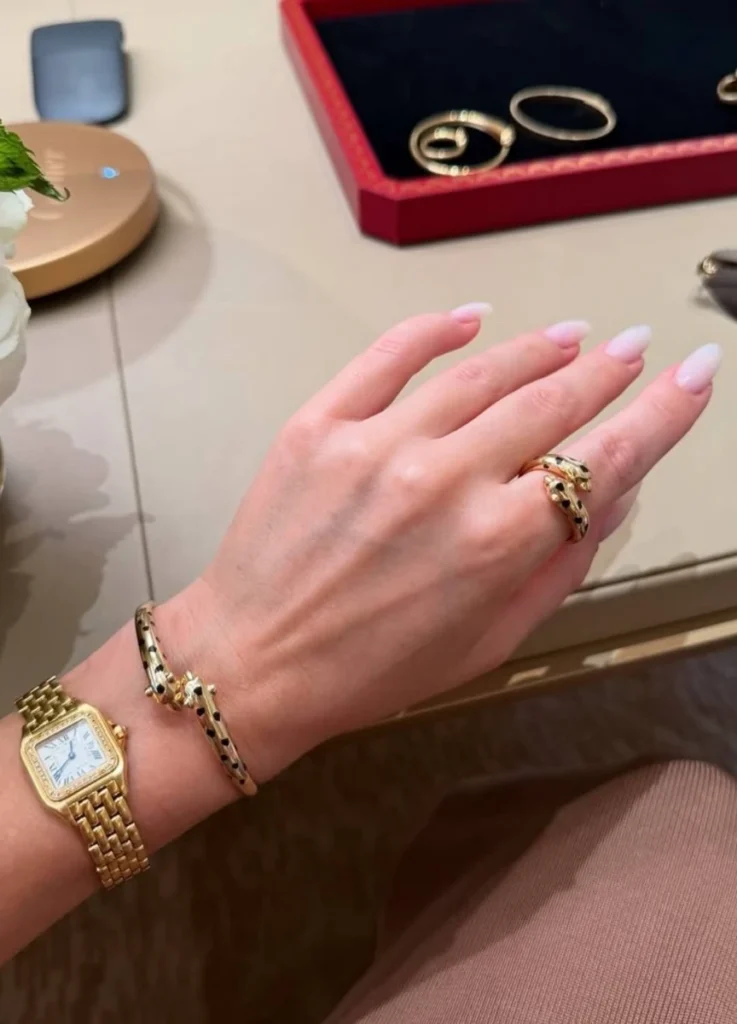
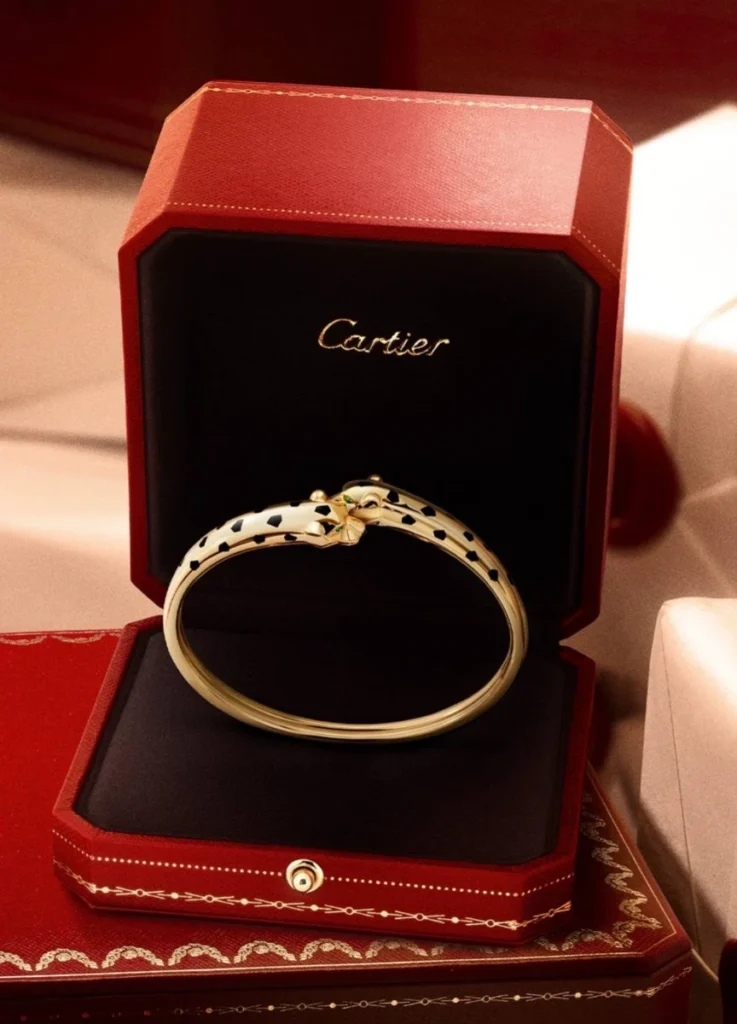
The onyx-accented version comes closest to the symbolic core of the Panthère collection.
It suits collectors whose wardrobe carries deliberate contrast — black-tone discipline rather than incidental black — and who favor tension over ornamentation. The proposition here is clarity without excess.
@cartieraddicat / Instagram
The onyx doesn’t decorate. It anchors the gaze. The bracelet pairs particularly well with black, navy, and ivory palettes, and benefits from structured yet understated clothing. Despite the absence of pavé diamonds, the identity of the Panthère remains unmistakable. The lines stay sharp. The message remains clear.
This is the configuration that tracks closest to Jeanne Toussaint’s original 1950s vision — onyx and diamond as the panther’s defining material vocabulary. The choice carries lineage weight without being a heritage reproduction. The collector who buys the onyx + non-pavé is buying continuity with the maison’s design history rather than a contemporary expansion.
@cartier / Instagram
Configuration Three — Semi-Pavé + Onyx
The semi-pavé Panthère is the most overtly jewelry-driven iteration in the lineup.
It suits collectors who allow jewelry to occupy the center of a look, who distinguish clearly between daily wear and occasion dressing, and who weight symbolism and long-term significance into purchase decisions.
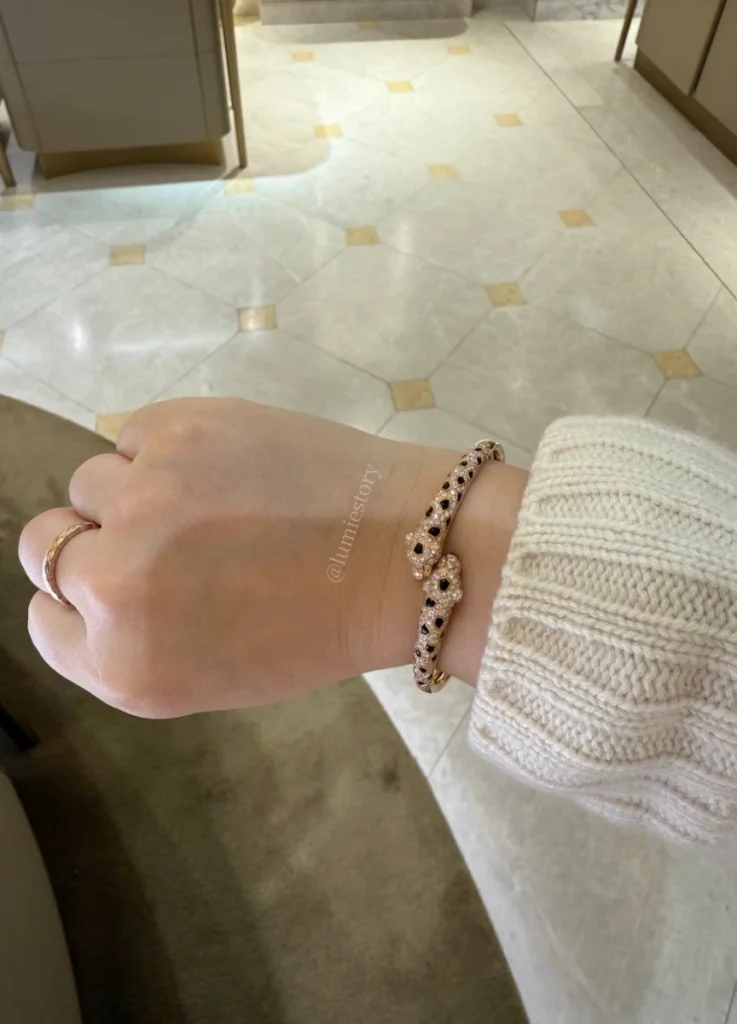
With the introduction of diamonds — over 200 brilliant-cut stones in the medium half-paved model — the Panthère shifts from a quiet organism to a high-jewelry icon. The bracelet gains perceptible weight and presence. Its strongest expression is solo wear, where the diamonds can occupy the visual register without competing against other pieces.
The pricing sits at approximately $69,000 for the yellow gold medium with emeralds, onyx, and diamonds; $74,000 for the equivalent in white gold. The Small + Semi-Pavé model that joined the lineup recently retails at $54,500. These numbers position the semi-pavé firmly in collector territory rather than in everyday acquisition — though, as I’ll explain, the actual wear pattern surprised me.
Why the Semi-Pavé Worked Best on Me — A Matter of Density, Not Brilliance
What surprised me most was that the semi-pavé version felt the least foreign on my wrist.
Conventional styling logic suggests that adding diamonds increases flamboyance. In practice, the opposite occurred.
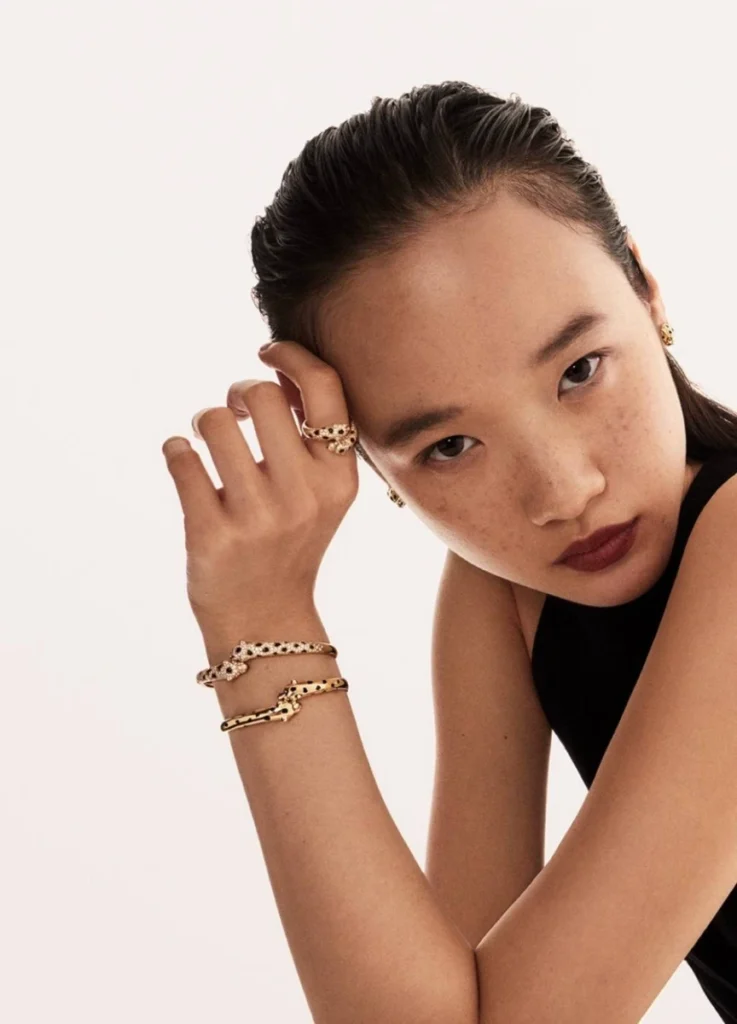
Where the non-pavé versions function as lines, the semi-pavé operates through surface and density. The diamonds don’t flash aggressively. They disperse light in a fine, diffused manner, forming a texture rather than a statement. The bracelet never floats above the wrist. It integrates.
The alignment had nothing to do with handling glamour and everything to do with material density compatibility. My styling tends toward texture rather than line — fabric atmosphere matters more to me than sharp contrast — and the semi-pavé Panthère reads more as a continuous textural surface than as a piece of jewelry that’s been added on top of an outfit.
The light dispersion pattern differs from larger central stones. A solitaire pulls the eye to a single point. The pavé surface refracts light across the whole bracelet, reading as continuous texture rather than as individual flashes. Pavé construction at this density doesn’t compete with the wrist. It joins the wrist’s existing rhythm.
For collectors whose styling already operates through texture — knitwear, washed silks, soft tailoring — the semi-pavé doesn’t read as the loudest choice. It reads as the most integrated.
source: Cartier Official Website
Fabric Matters — How the Semi-Pavé Changes With What You Wear
The Panthère’s expression shifts dramatically depending on fabric.
Knit, cashmere, and wool make the ideal pairing. The diamonds soften into the textile, reading more like refined metalwork than jewelry. The bracelet doesn’t compete with the surface of the fabric. It extends into it. This pairing produces what might be called jewelry as styling completion rather than jewelry as accessory — the bracelet becomes the final discipline that resolves the look rather than the accent that ornaments it.
Silk, satin, and smooth cotton make the Panthère step forward. Light reflection from these fabrics is high. The diamonds register more sharply against them, and the bracelet asserts itself as jewelry rather than as integrated metal. This pairing serves occasion dressing more than daily wear — important meetings, dinners, situations where the wearer wants the jewelry to participate in the look’s hierarchy.
Tweed and heavy textures produce mixed results. The textile information competes with the bracelet’s detailing — too much surface complexity layered against too much surface complexity. For these fabrics, the non-pavé or onyx versions may sit more cleanly. The Panthère remains present, but the visual conversation between bracelet and fabric stays balanced.
Wardrobe rhythm determines configuration choice more than budget does. The collector whose wardrobe leans into texture should consider the semi-pavé seriously even if the price seems beyond daily-wear logic. The collector whose wardrobe leans into structured textile contrast should consider the onyx version, which holds its identity regardless of what surrounds it.
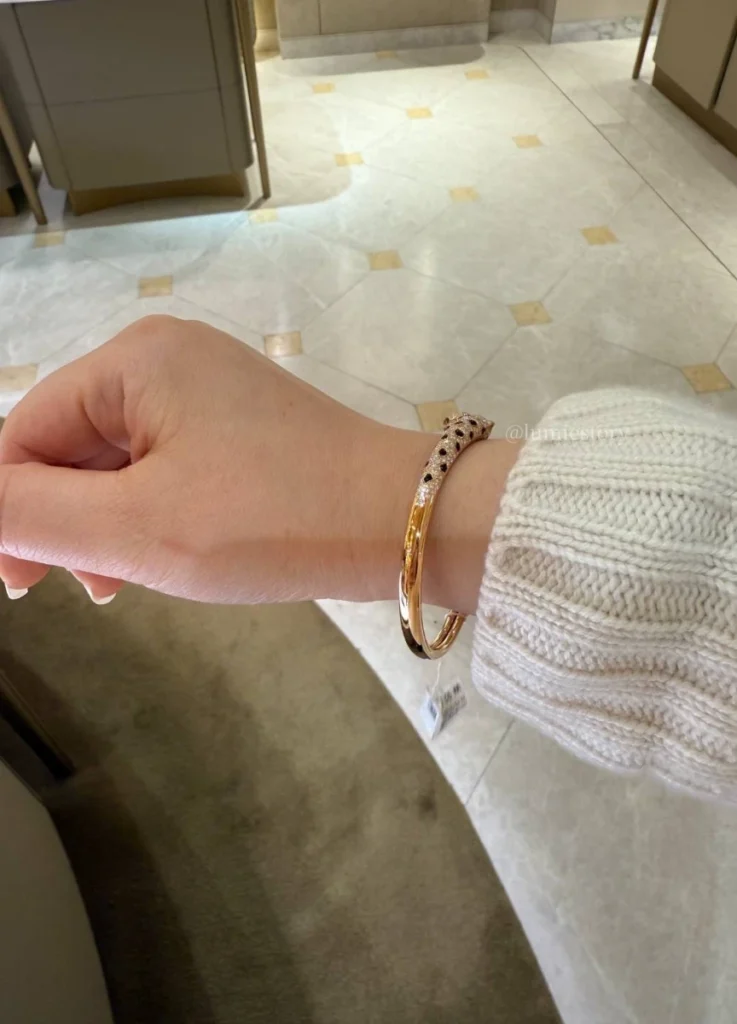
Who the Semi-Pavé Actually Suits
The semi-pavé Panthère counterintuitively suits collectors who aren’t typically associated with overt jewelry.
It serves wearers whose tonal vocabulary in dressing is already settled, who notice texture before color, who treat jewelry as a layer rather than as a focal point, and whose style trajectory has simplified rather than elaborated over time. The semi-pavé reads as more appropriate at fifty than at twenty-five — not because of conservative styling associations, but because the collector who appreciates density compatibility tends to acquire that appreciation through years of dressing.
This is a piece that grows into its wearer rather than the other way around.
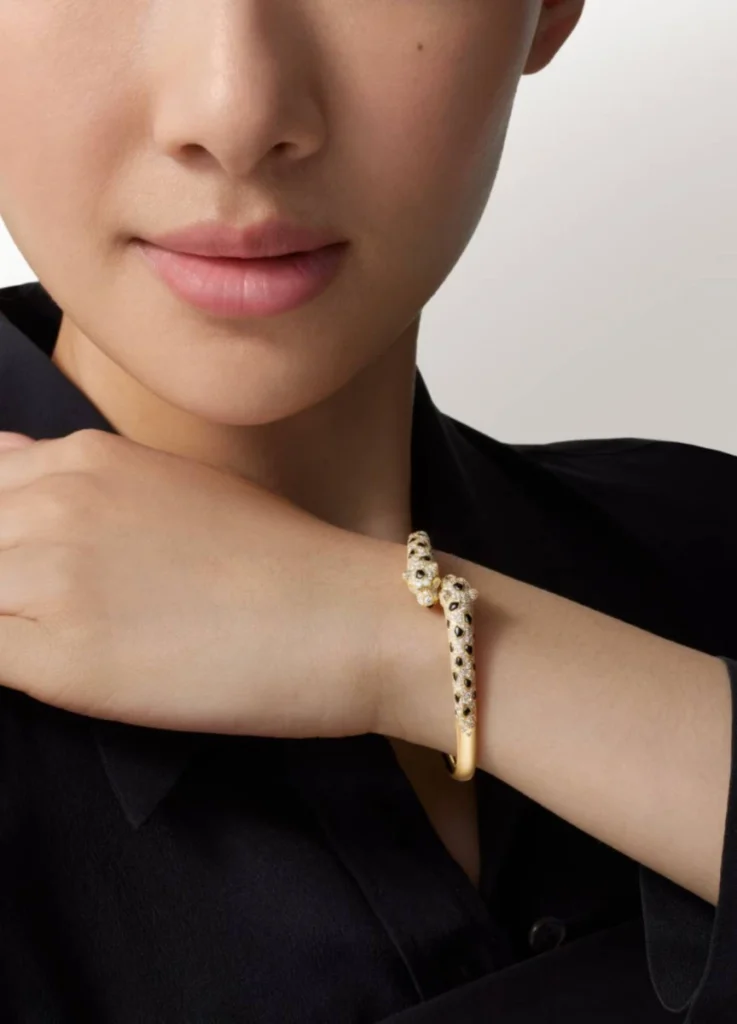
source: Cartier Official Website
Size and Hardware — Small vs Medium
The Small Panthère bracelet operates as wrist structure rather than as statement piece. Best suited for slender wrists or shorter arms, it reads more as a continuation of the wrist line than as a separate object on top of it. The Small + Semi-Pavé recently introduced extends this logic into the high-jewelry register — small enough to integrate, dense enough to register.
The Medium Panthère bracelet operates as a clear object on the wrist. Better suited for wrists with visible bone structure or longer arms, it amplifies the presence of the semi-pavé configurations. The bracelet shifts from extension of the wrist line into a sculptural presence beside it.
Thanks to the articulated construction, even the Medium size maintains fluidity rather than stiffness. The bracelet adapts to wrist movement. It doesn’t pin the wrist in place. The PurseForum collector community has reported that the weight is similar to the Love but with more movement on the wrist, which tracks with the articulation. The looser fit and articulated joints distribute weight differently than the Love’s solid bangle.
The choice between Small and Medium ultimately depends on what role the bracelet serves in the collector’s wrist arrangement. Solo wear or with a watch on the same wrist? Medium reads cleaner. Stacking with thinner pieces (Love bracelet, Juste un Clou)? Small integrates better.
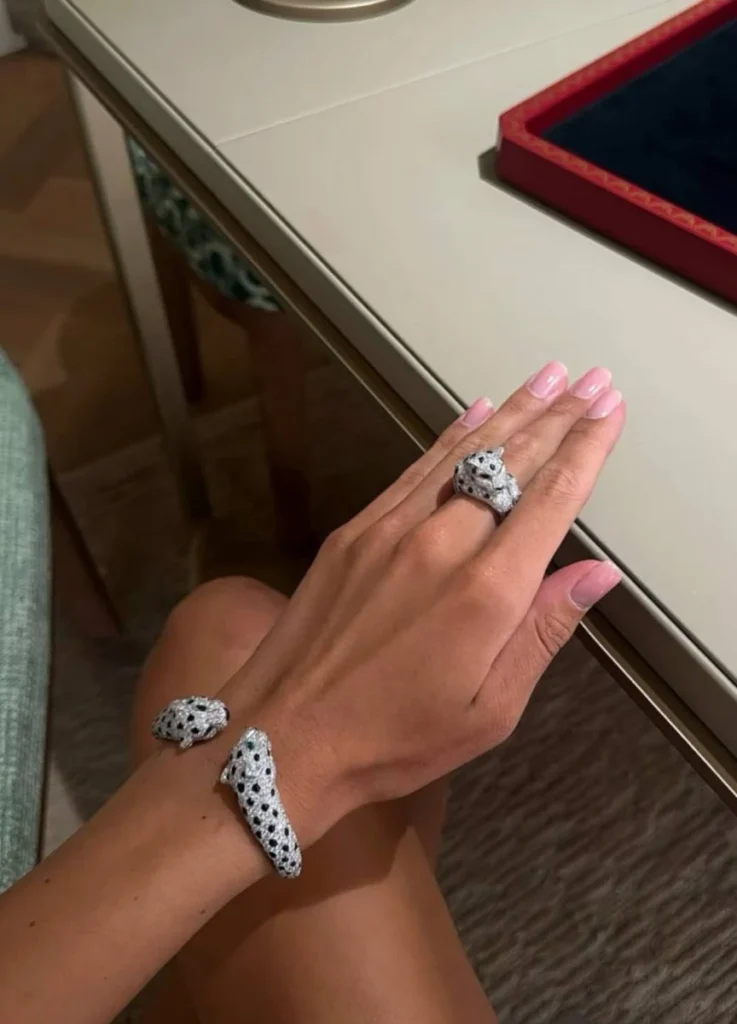
@ervindzm / Instagram
Why the Panthère Outperforms Recognition
One detail matters here: the Panthère bracelet doesn’t carry the recognition load that the Love bracelet does. Most non-Cartier fans would never recognize it, unlike the Love which many people know, as one PurseForum collector put it.
For some buyers, this is a limitation. For others, it’s the entire point.
The Love bracelet has become a cultural shorthand. It signals luxury, commitment, sometimes a specific stage of life. That signaling function carries real value for buyers who want it. The Panthère, by contrast, signals to a smaller audience. Cartier collectors recognize it. Maison enthusiasts identify it from a distance. General observers register it as quality jewelry without specific brand attribution.
The Panthère doesn’t repeat the Love’s signaling function. It expands the wardrobe in a different direction — toward jewelry that operates through internal recognition rather than through external code. For collectors at the early stages of their Cartier acquisition, this distinction matters when sequencing purchases. The Love and the Panthère aren’t redundant. They serve different roles.
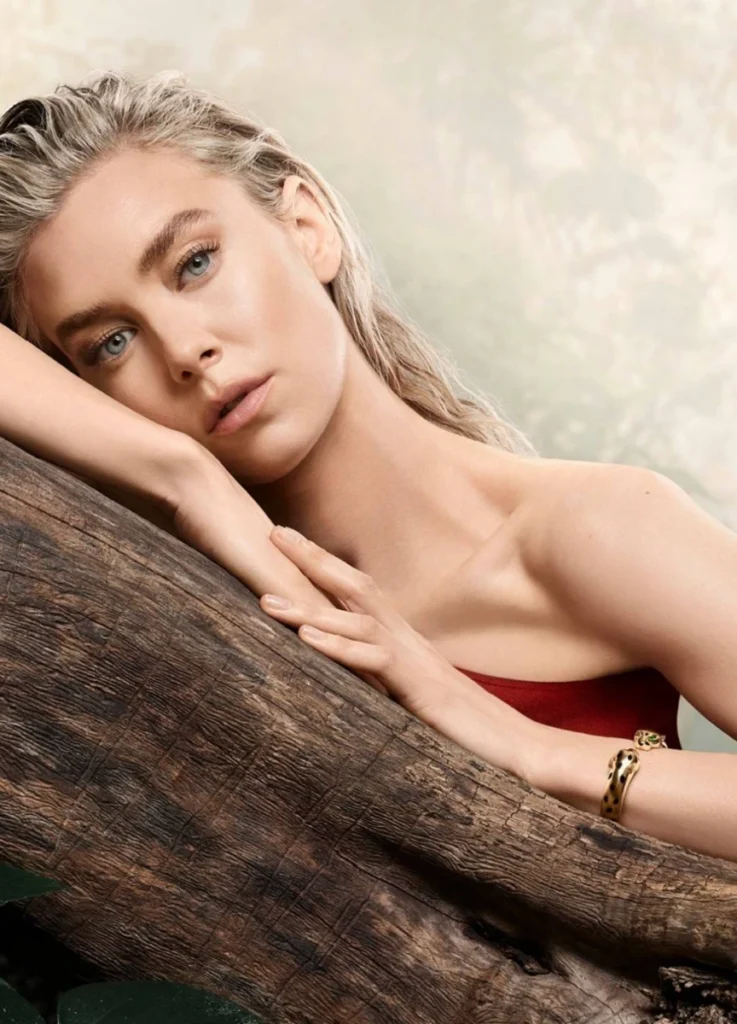
@cartier / Instagram
Reading the Panthère Within the Cartier Catalog
The Panthère bracelet sits in a specific position within Cartier’s broader bracelet hierarchy.
The Love bracelet anchors the entry-to-mid tier with its commitment narrative and its instantly recognizable design. The Juste un Clou extends the maison’s industrial-design vocabulary into wrist-worn form. The Clash de Cartier introduces studded textural complexity. Trinity carries the maison’s three-gold-color discipline. The Tortue and Tank watch lines extend the architectural vocabulary across timepieces.
The Panthère occupies a different register. It doesn’t anchor a single design philosophy the way the Love does. It carries the maison’s most heritage-rich animal motif — the panther established by Toussaint in the early 20th century — and translates it into contemporary form without literal reproduction. The bracelet works through articulation rather than through fixed structure. It moves with the wrist rather than holding the wrist. The visual register is sculptural rather than industrial.
In a multi-piece Cartier wardrobe, the Panthère serves as the heritage piece — the bracelet that carries the longest design lineage and the deepest connection to the maison’s mid-century formative period. The Love serves as the cultural icon. The Clash serves as the contemporary expansion. The Panthère serves as the museum piece that wears as daily jewelry.
Final Thoughts — The Panthère Is a Quiet Decision
The Panthère de Cartier bracelet doesn’t exist to be explained.
Its value is remembered through sensation rather than spectacle. Through balance rather than price. Through how it stays — long after the initial moment of wearing.
Despite its name, this isn’t a predatory piece. It’s one that moves with you, without insisting on being seen.
Choosing the semi-pavé wasn’t a declaration of brilliance. It was an acknowledgment of density. The selection followed the same logic that governs the rest of my styling — material atmosphere weighted heavier than visual statement, continuous texture preferred over individual accents, jewelry positioned as the discipline that completes the look rather than as the element that announces it.
For collectors approaching the Panthère, start with the configuration that aligns with how you already dress, not with the configuration that the marketing positions as the most luxurious. The non-pavé serves restrained styling. The onyx serves contrast-driven styling. The semi-pavé serves texture-driven styling. The price difference between configurations isn’t a quality hierarchy. It’s a styling-philosophy diagnostic.
Jewelry is less about who you want to become and more about how you choose to remain. The Panthère doesn’t announce that choice. It simply accompanies it — quietly, and with time, more accurately than ever.
The Olsens at The Row build their clothing toward the same proposition. Phoebe Philo extends it through her own Collection E. Cartier reaches the same destination through a different vocabulary, and the Panthère bracelet is the maison’s clearest articulation of that destination on the wrist.
That’s why this collection has the potential to age with such unusual precision. The bracelets that announce themselves date faster than the bracelets that accompany. The Panthère is built to accompany.
[ Related Editorials ]