In recent weeks, quiet conversations have begun circulating around Van Cleef & Arpels and its Lucky Spring collection.
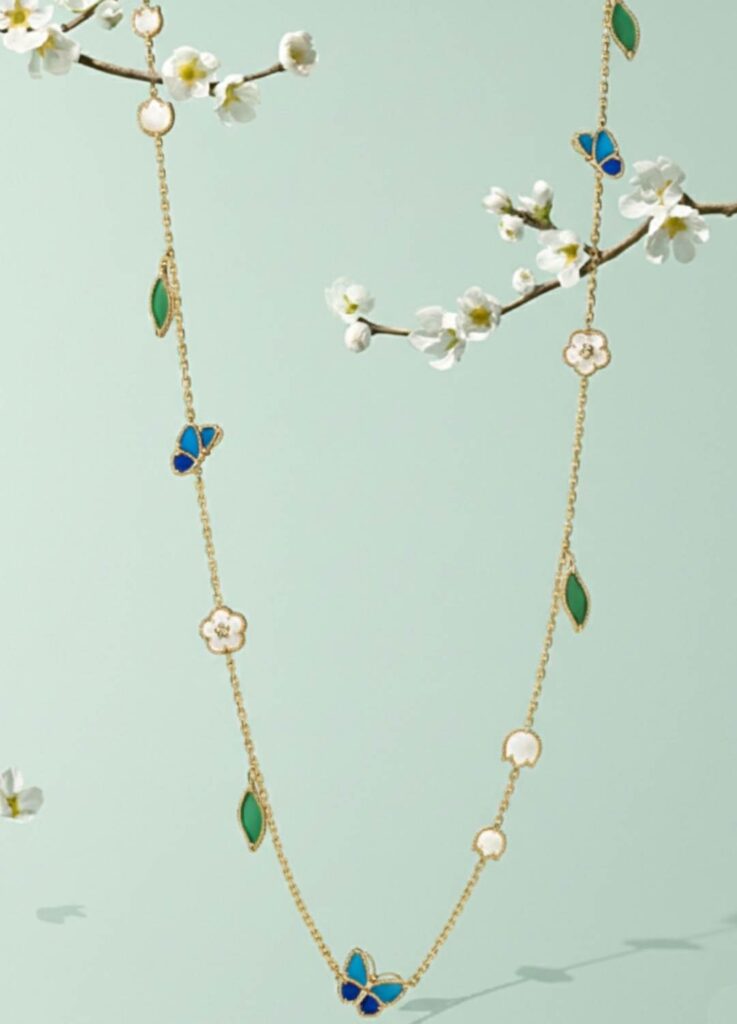
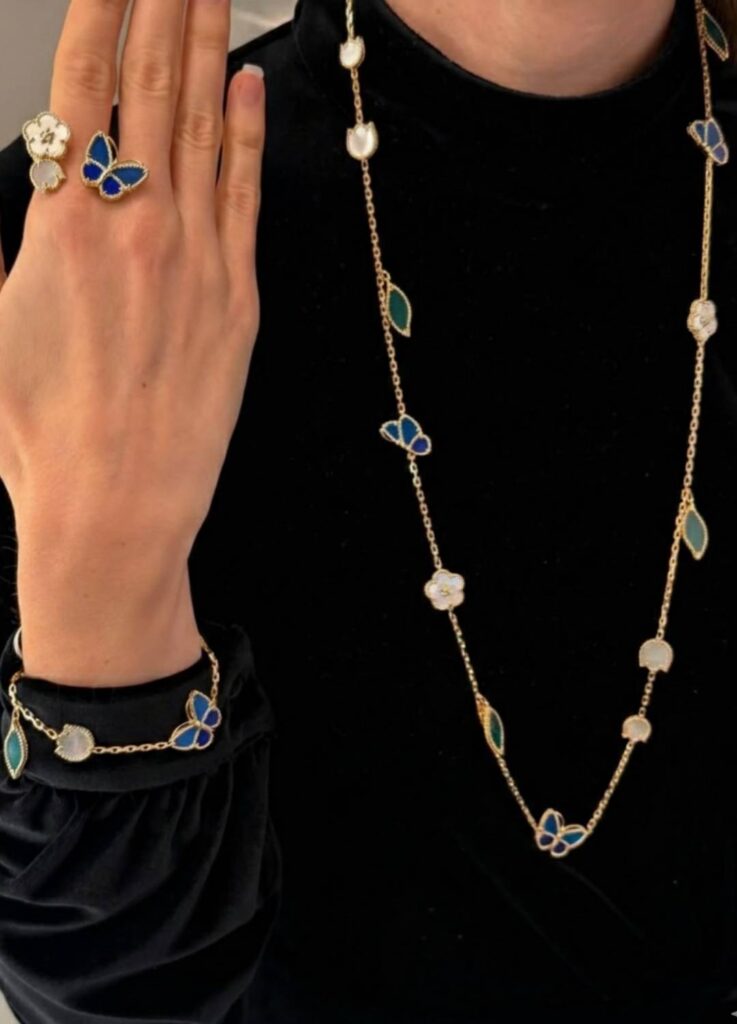
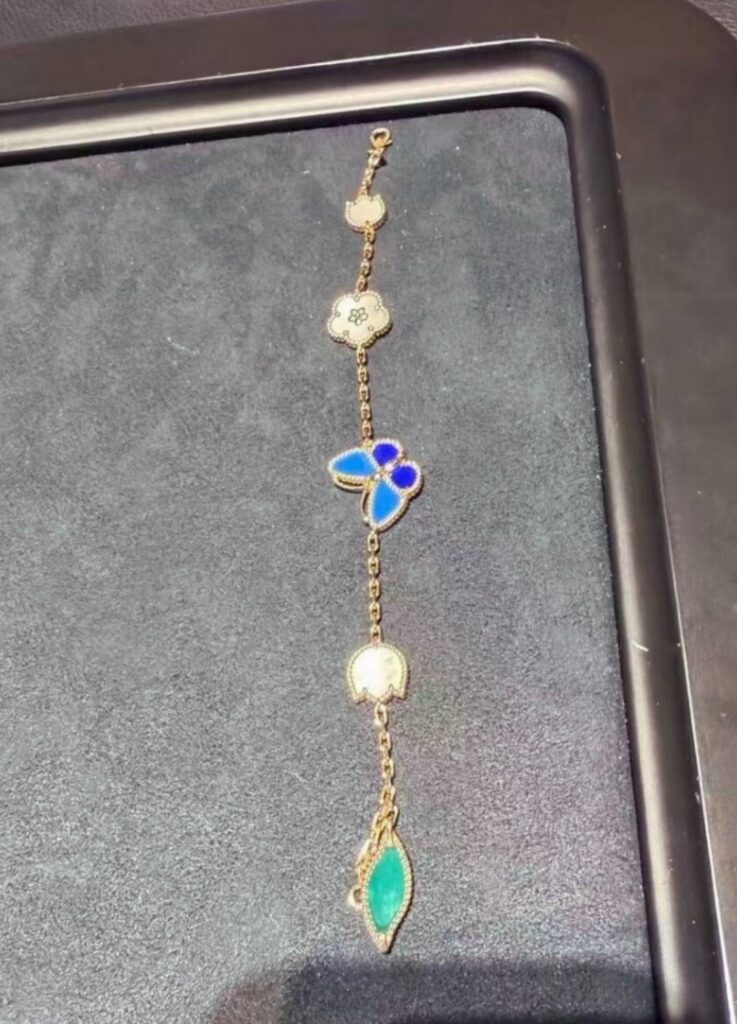
A new variation — featuring a blue butterfly — has appeared in select boutiques and private previews, despite the absence of any update on the global website.
No official announcement has been released.
Yet among collectors and sales associates, an April reveal is widely anticipated.
What matters here is not the timing, but the nature of the change.
This is not a new collection.
It is a chromatic and emotional recalibration within Lucky Spring itself.
1. What Lucky Spring Represents Within Van Cleef & Arpels
Lucky Spring occupies a very specific position within the maison’s universe.
Unlike Alhambra, which is grounded in geometry and proportion,
Lucky Spring is seasonal, narrative, and symbolic.
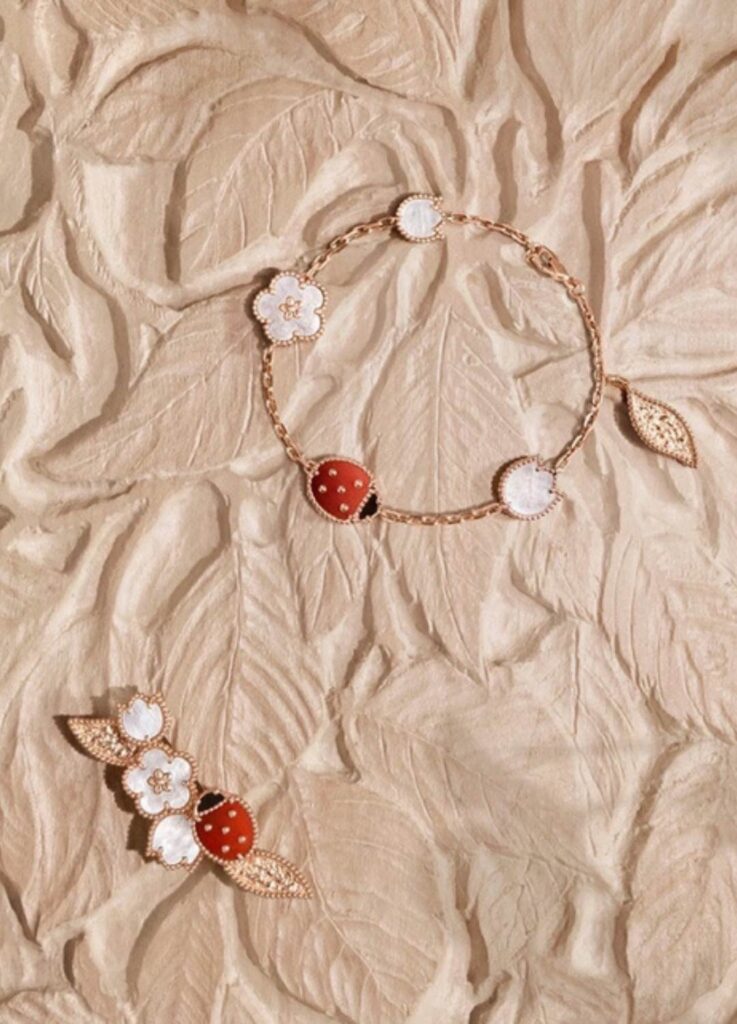
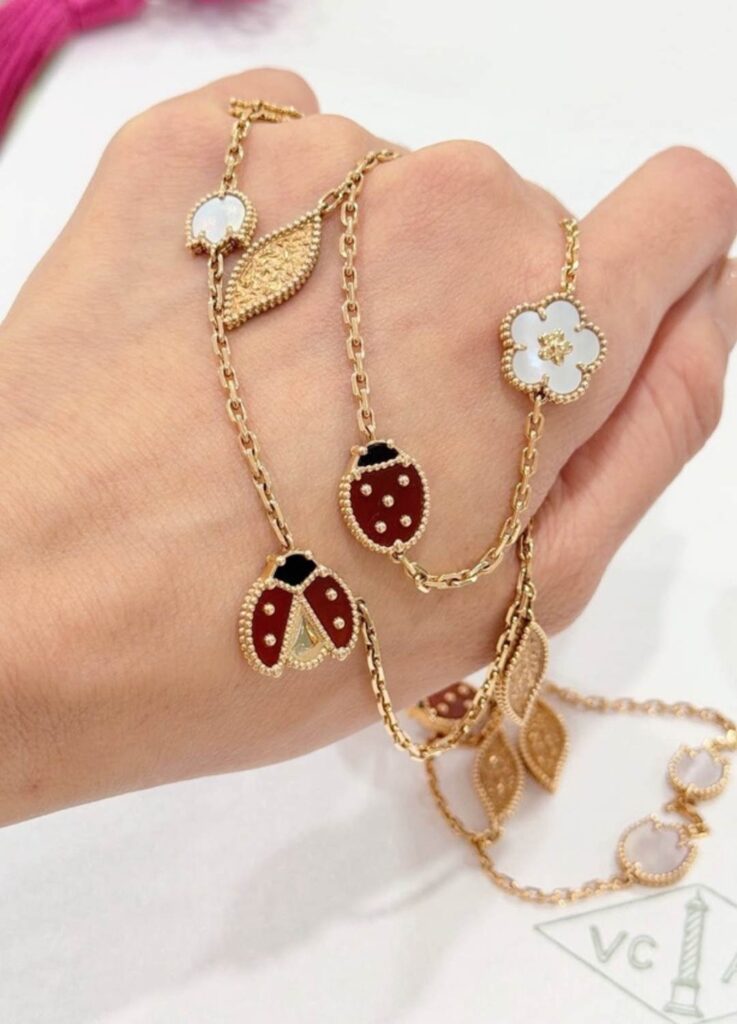
The original composition was clear:
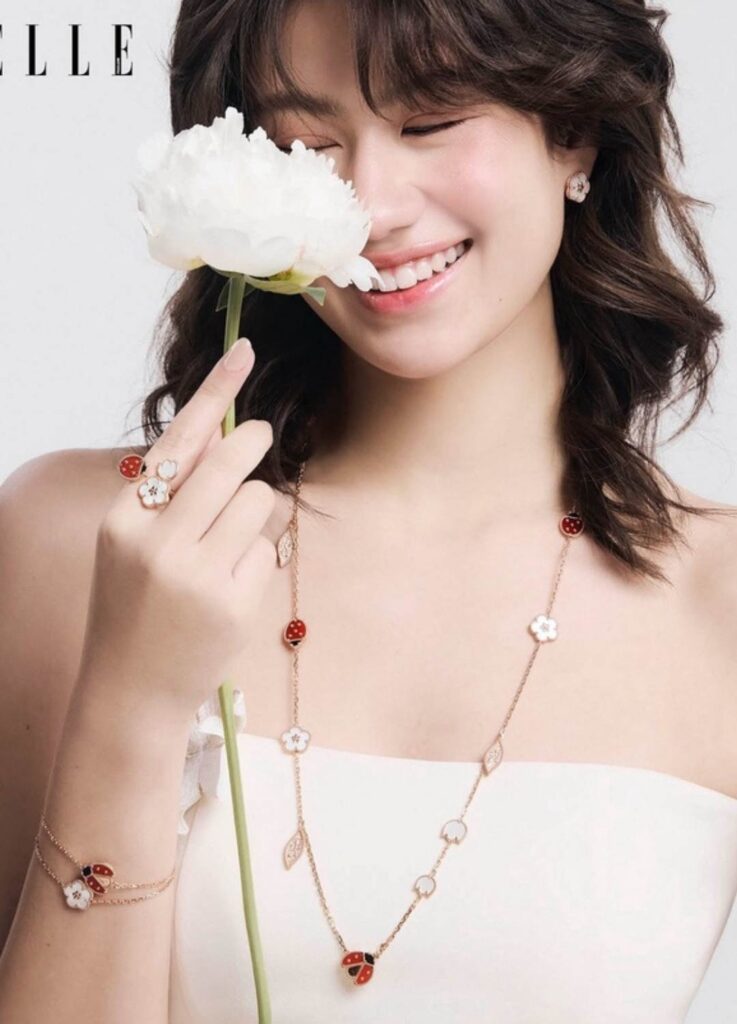
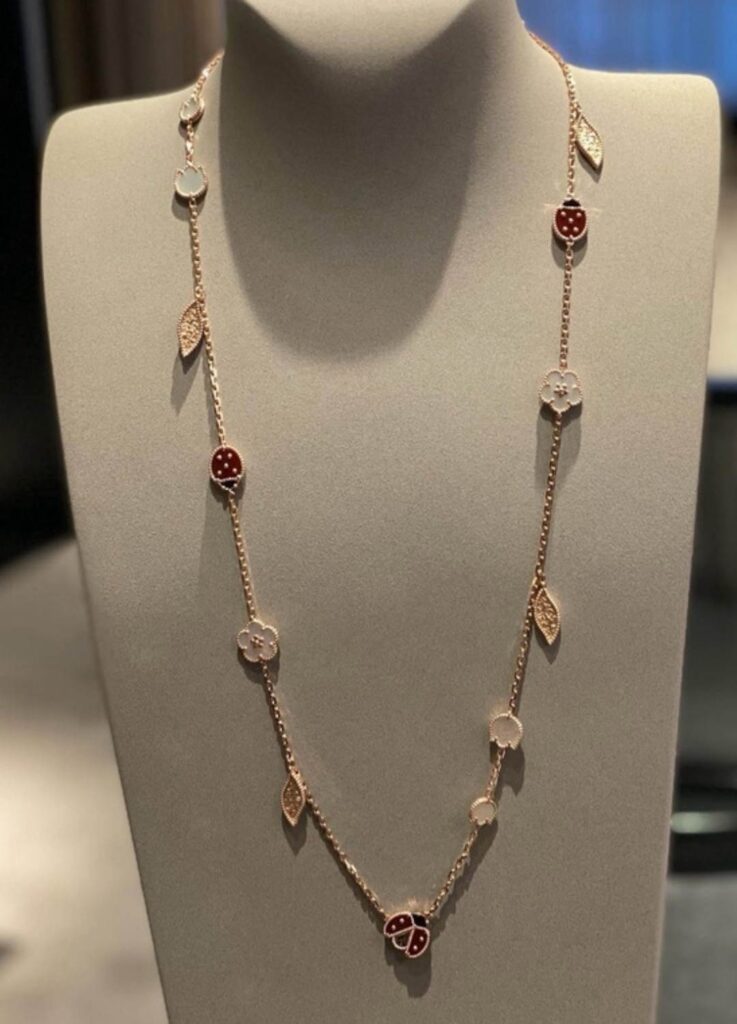
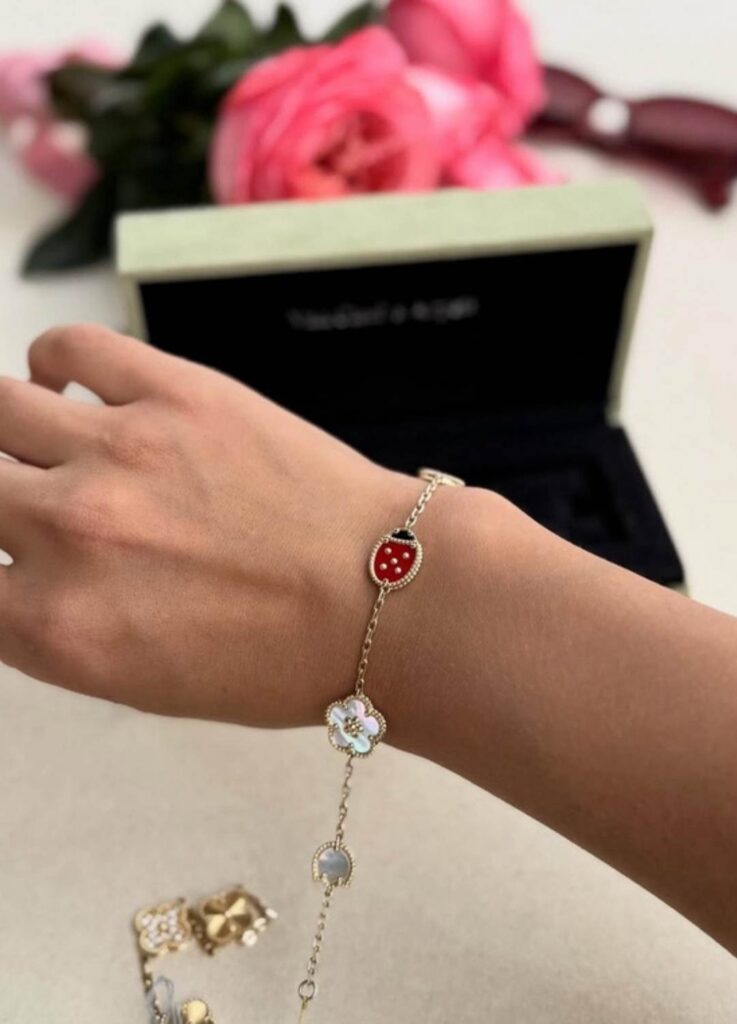
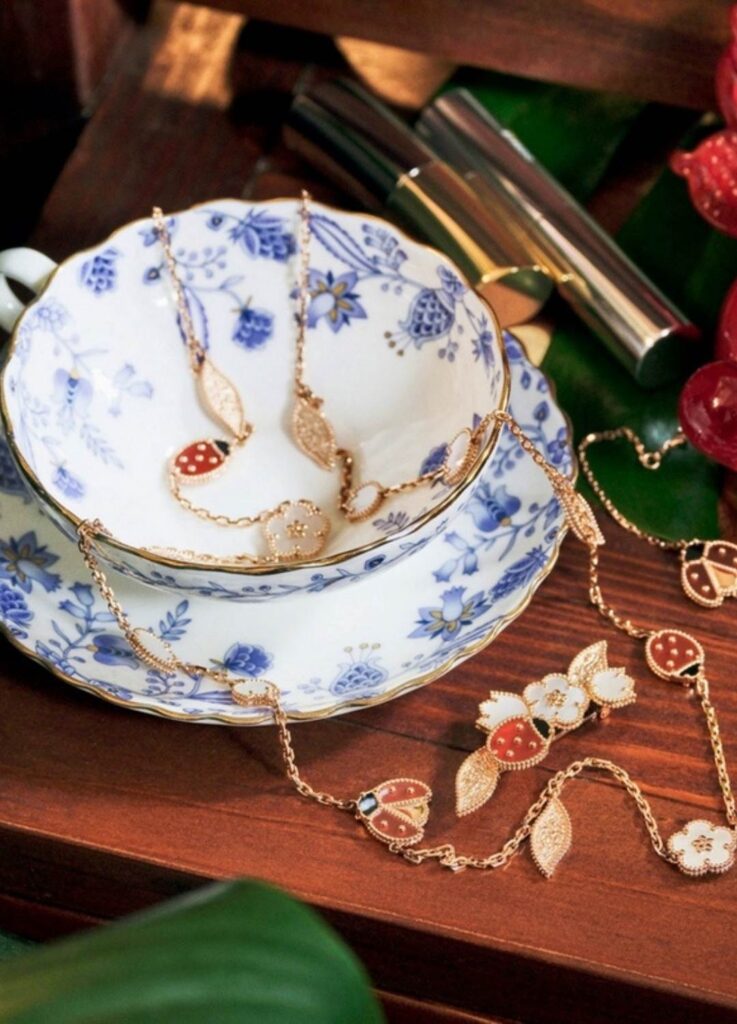
- Red ladybug in carnelian
- White flower in mother-of-pearl
- Green leaves
- Yellow gold base
The contrasts were intentional and unmistakable.
Color carried meaning. Motifs delivered a message.
This was not a subtle collection.
It was a declarative one — visually and symbolically centered on luck.
2. The Meaning of the Blue Butterfly Shift
The most significant change in the new variation is simple, yet consequential:
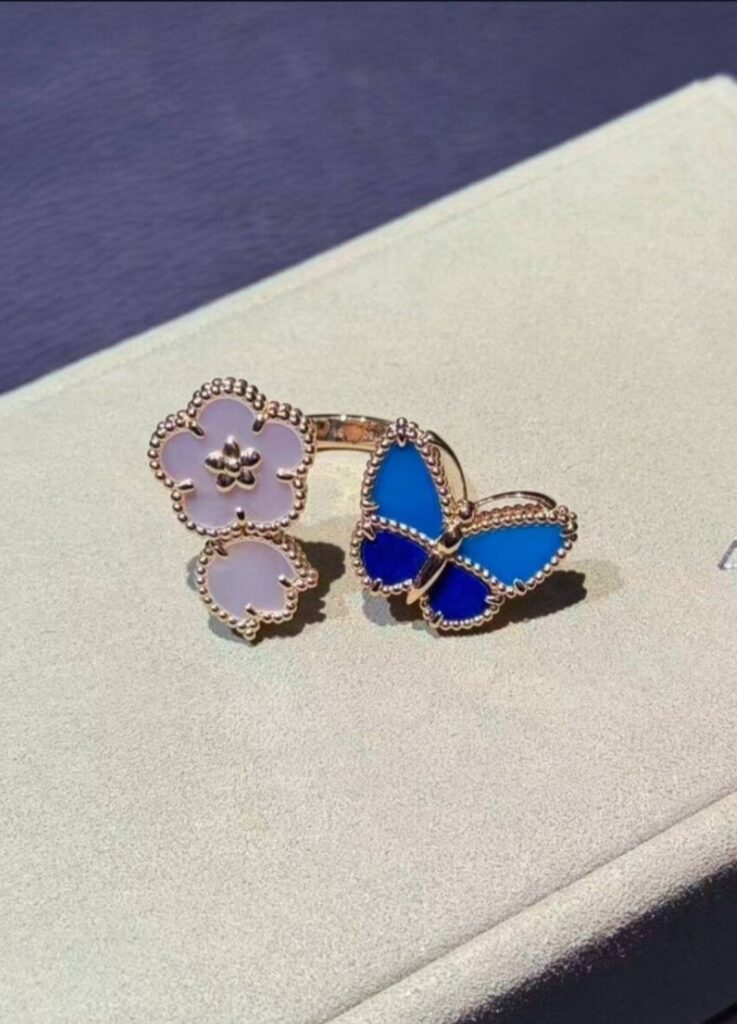
The ladybug is replaced by a blue butterfly.
This is not merely a color update.
It is a structural and emotional shift.
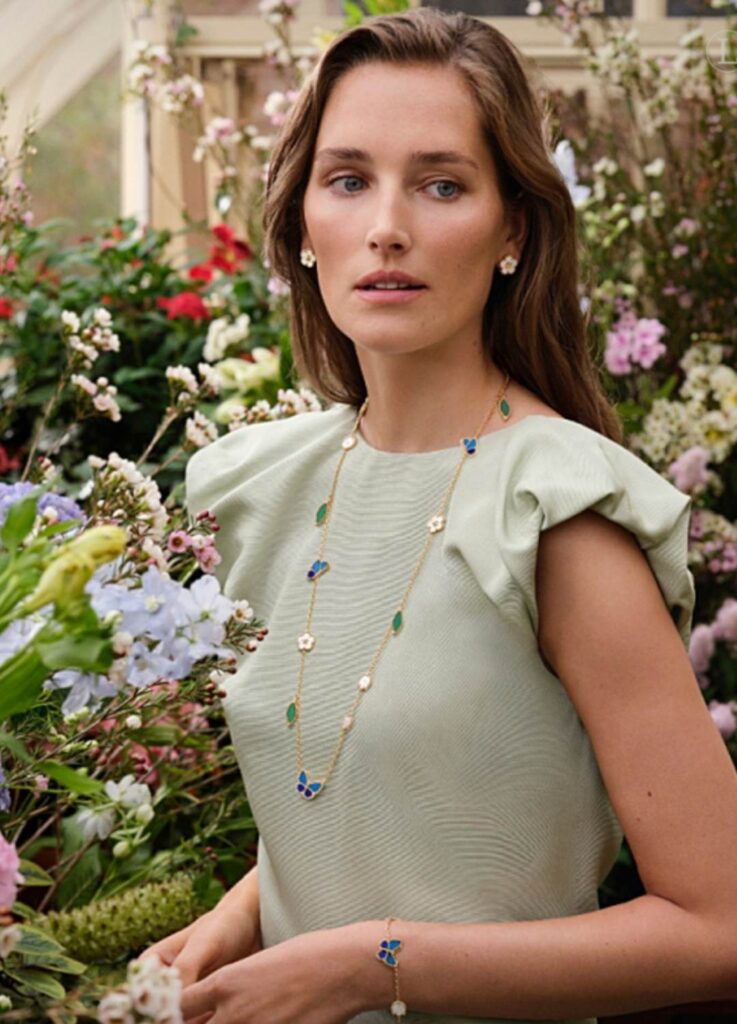
| Original (Ladybug) | New (Blue Butterfly) |
|---|---|
| Dot-based, circular form | Winged, expanded silhouette |
| Horizontal visual stability | Gentle vertical lift |
| Strong red contrast | Cooler, tonal harmony |
| Symbolic, declarative | Emotional, interpretive |
The ladybug functions visually as a dot.
The eye stops.
The butterfly functions as a surface.
The eye moves.
Especially in long necklace formats, the butterfly subtly disrupts the repetitive rhythm of flowers and leaves, introducing lift and airflow along the chain.
The composition becomes less literal, less punctuated — and more fluid.
Where red once announced luck,
blue suggests transition.
3. Who the Original Version Speaks To — and Why It Didn’t Work for Everyone
Lucky Spring has often been described as “cute,”
but cuteness is not neutral.
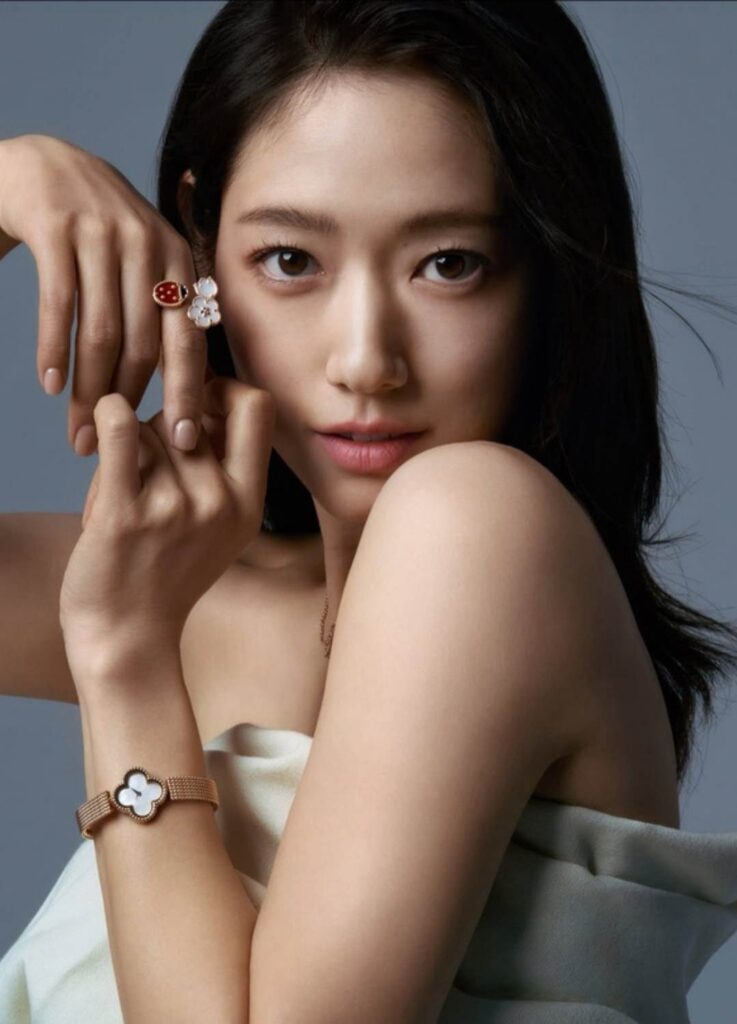
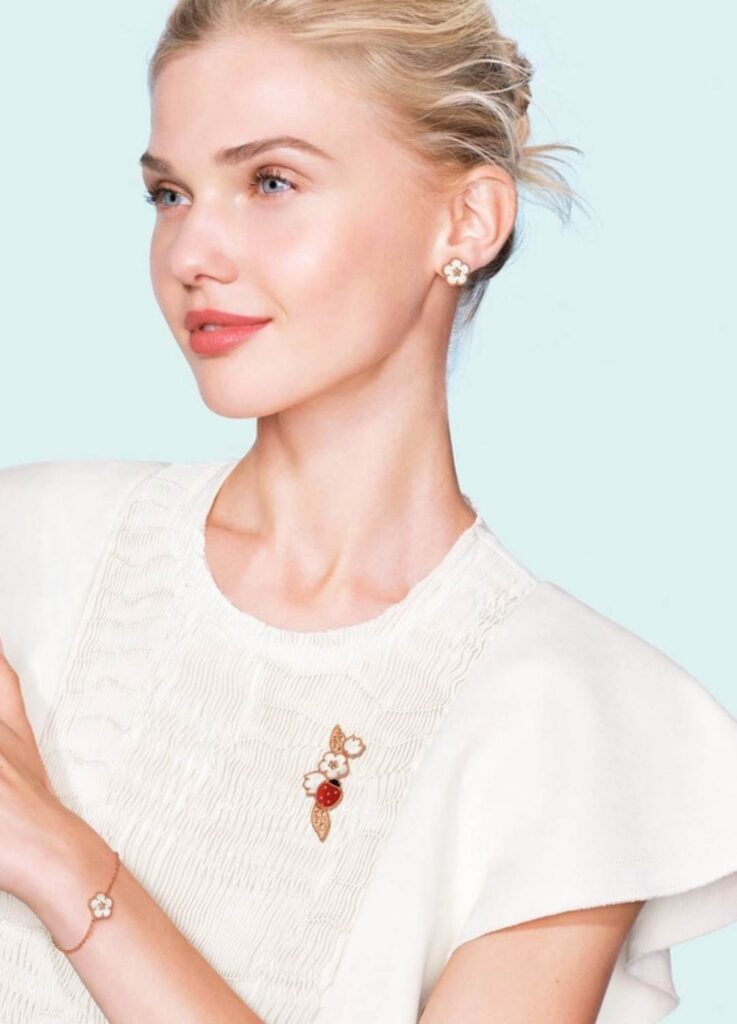
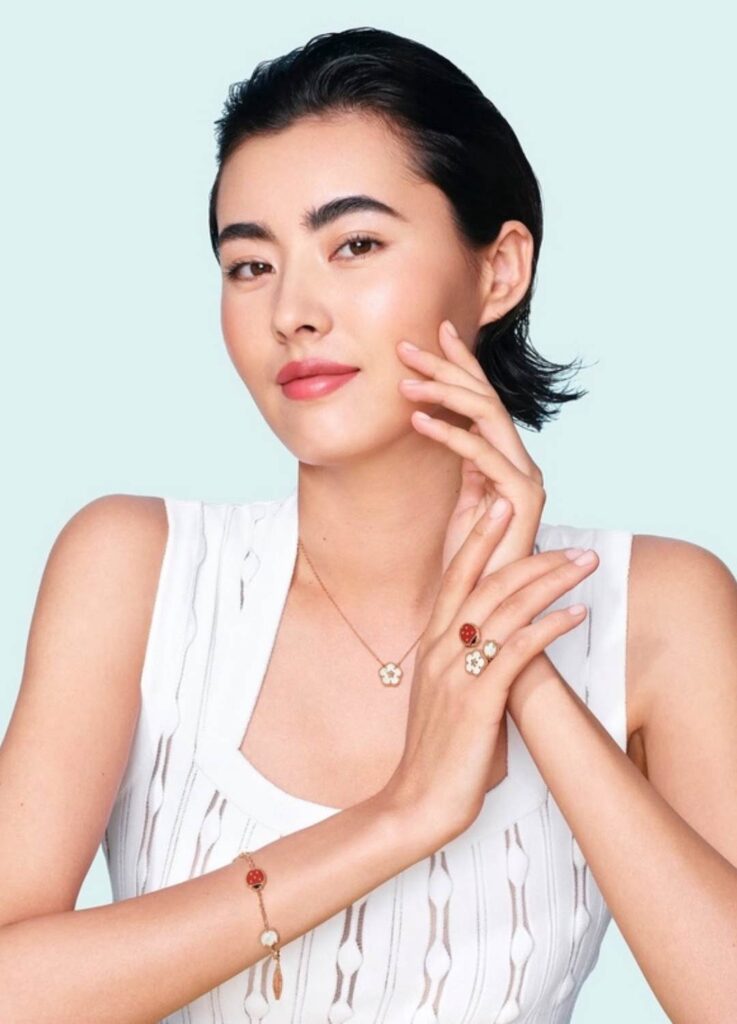
The original ladybug version tends to suit:
- Faces with strong contrast (defined eyes and lips)
- Slim upper bodies
- Bright, direct personal imagery
- Casual styles with confident color mixing
The ladybug, though small, carries visual authority.
On faces with softer contrast, it can dominate rather than harmonize.
This was precisely why many — myself included — admired the collection without committing to it.
4. Who the Blue Butterfly Version May Finally Suit
The blue butterfly softens that authority.
It tends to integrate more naturally with:
- Cool or neutral skin tones
- Faces with moderate or low contrast
- Gentle, composed personal imagery
- Wardrobes centered on black, navy, ivory, or grey
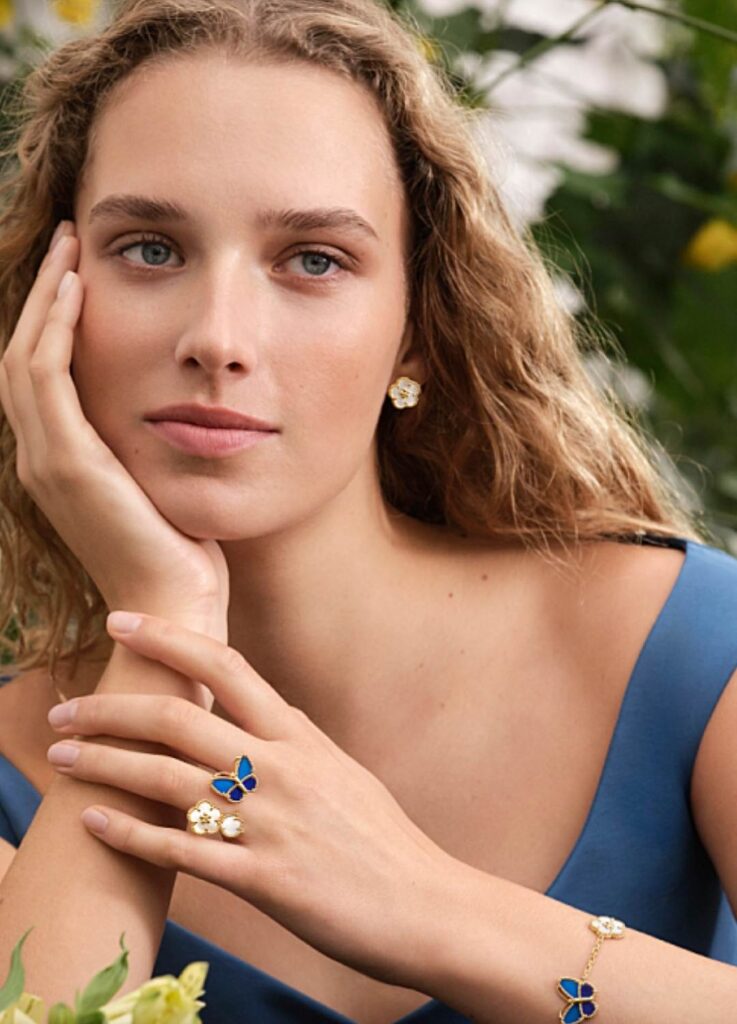
Blue is less assertive than red.
It blends rather than declares.
That said, proportion still matters.
Long necklaces with repeated motifs can visually divide the torso.
For shorter upper bodies, this can create unwanted segmentation — a point worth careful consideration.
5. The Physical Structures That Lucky Spring Requires
Despite its lighthearted narrative, Lucky Spring is structurally demanding.
1) Slim, defined wrists
- Approximately 14–15 cm circumference
- Visible bone structure
- Enough negative space for motif rhythm
Repeated motifs require air.
On thicker wrists, the bracelet can read as a pattern band rather than jewelry.
2) Moderate to long upper body length
Long necklaces rely on uninterrupted vertical flow.
Without sufficient torso length, the rhythm fractures.
3) Medium or higher facial contrast
Lucky Spring uses color intentionally.
If facial features are extremely soft, the jewelry may appear visually detached.
4) A wardrobe rooted in softness and narrative
This is not a minimalist or architectural collection.
It aligns with nature, optimism, and seasonal symbolism — not austerity.
6. When Lucky Spring Is Likely to Feel Misaligned
Avoidance matters as much as recommendation.
Lucky Spring tends to struggle with:
- Short, thick wrists
- Short upper bodies with significant bust volume
- Strict minimalist wardrobes
- Highly charismatic, authoritative personal imagery
In these cases, the motifs may feel ornamental rather than integral.
7. Original vs Blue Variation — Wearability at a Glance
| Aspect | Ladybug Version | Blue Butterfly Version |
|---|---|---|
| Visual contrast | High | Medium |
| Eye movement | Horizontal | Subtle vertical |
| Emotional tone | Direct, symbolic | Soft, interpretive |
| Suitability range | Narrower | Slightly broader |
| Wardrobe pairing | Casual, colorful | Neutral, darker palettes |
The blue version does not dilute Lucky Spring’s identity —
it widens its entry point.
Closing Thoughts
Lucky Spring has always been a story about luck.
But luck, in jewelry, is rarely about symbols alone.
It is about balance —
how a small motif rests on the body,
how color interacts with skin,
how rhythm respects proportion.
Red was a clear statement.
Blue is a quieter adjustment.
And once that difference becomes visible,
Lucky Spring stops being a “cute collection”
and becomes something more precise:
A way of choosing a season —
not by message,
but by fit.
[ Related Editorials ]