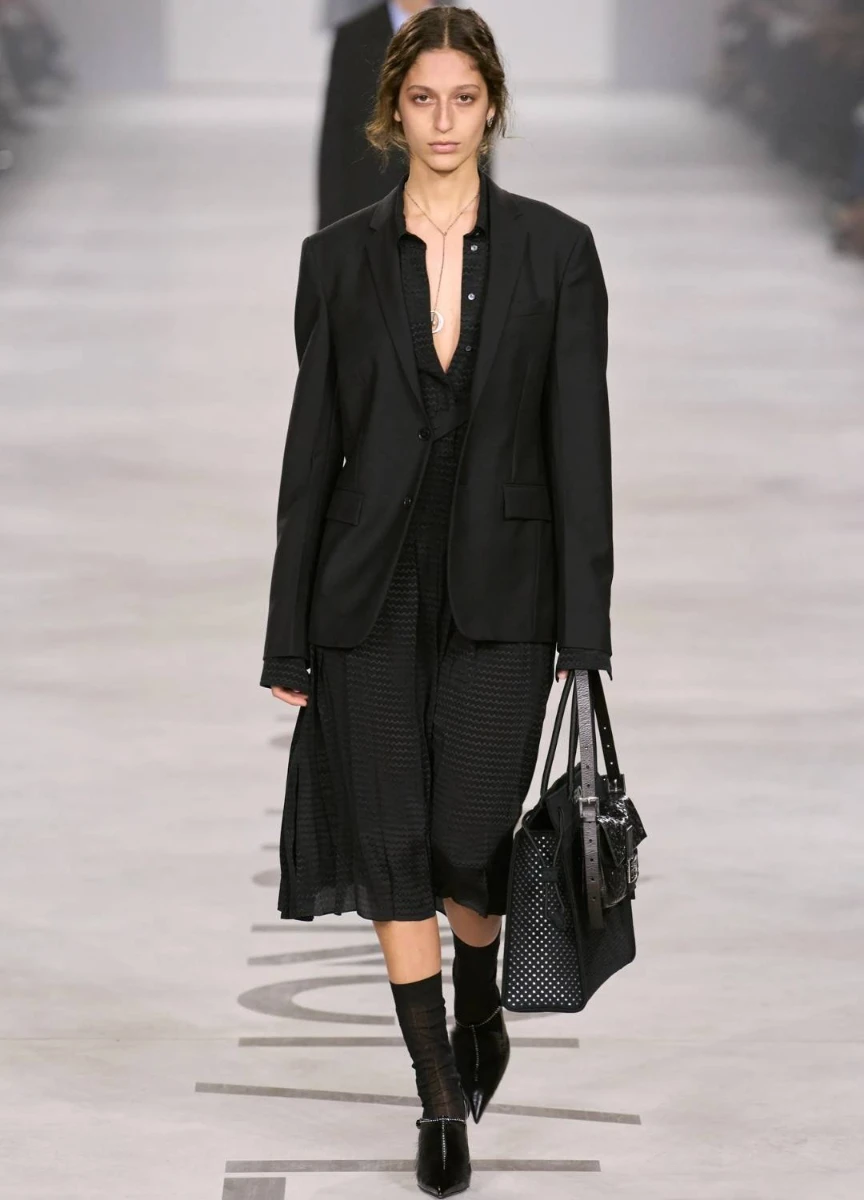
Inside Fendi Fall/Winter 2026
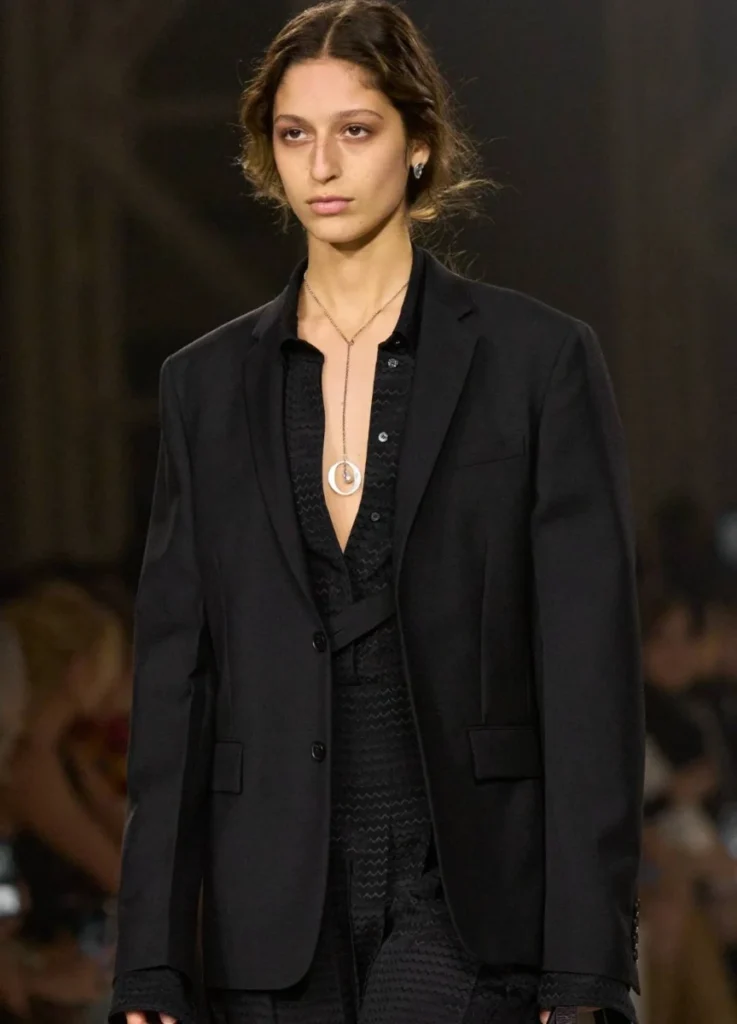
Fendi Fall/Winter 2026 marks Maria Grazia Chiuri’s debut at Fendi as Chief Creative Officer, following her departure from Dior in 2024.
It is, without question, a polished and controlled debut.
Yet despite its refinement, the collection leaves a lingering ambiguity. It feels unmistakably Chiuri, but only intermittently Fendi.
This isn’t a failure of craftsmanship or coherence. It’s a season that exposes — almost too clearly — what happens when a designer’s ethical clarity and compositional discipline encounter a house historically defined by instinct, sensuality, and playful excess.
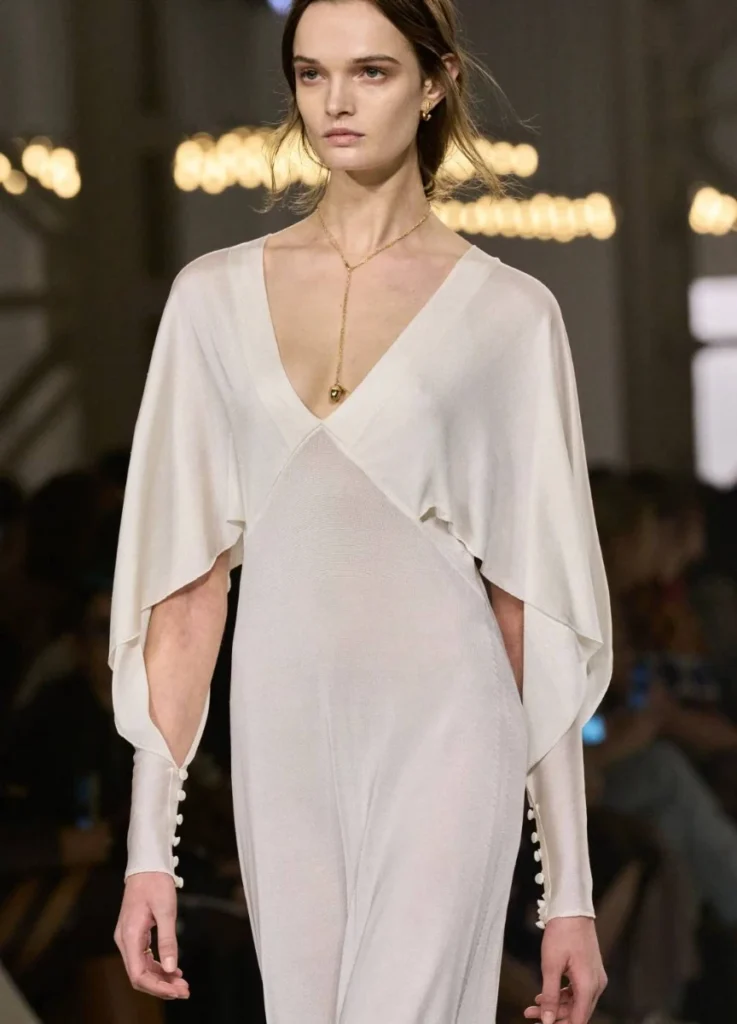
The collection reads less as a debut declaration and more as a careful negotiation. Chiuri’s vision is in place. Fendi’s appetite hasn’t entered the room yet.
Reordering, Not Expansion
The prevailing impulse of Fendi Fall/Winter 2026 isn’t expansion. It’s recalibration.
Rather than chasing novelty, Chiuri appears intent on reorganizing Fendi’s visual grammar — testing how much of the house’s identity can be held in restraint.
Recurring elements:
- a predominantly black, reduced palette
- precise tailoring with elongated vertical lines
- fur, lace, and leather repositioned structurally rather than decoratively
- gender-neutral silhouettes shared across men’s and women’s looks
This is a collection less concerned with declaration than with discipline. The question isn’t what Fendi can add. The question is how little it can say and still remain legible.
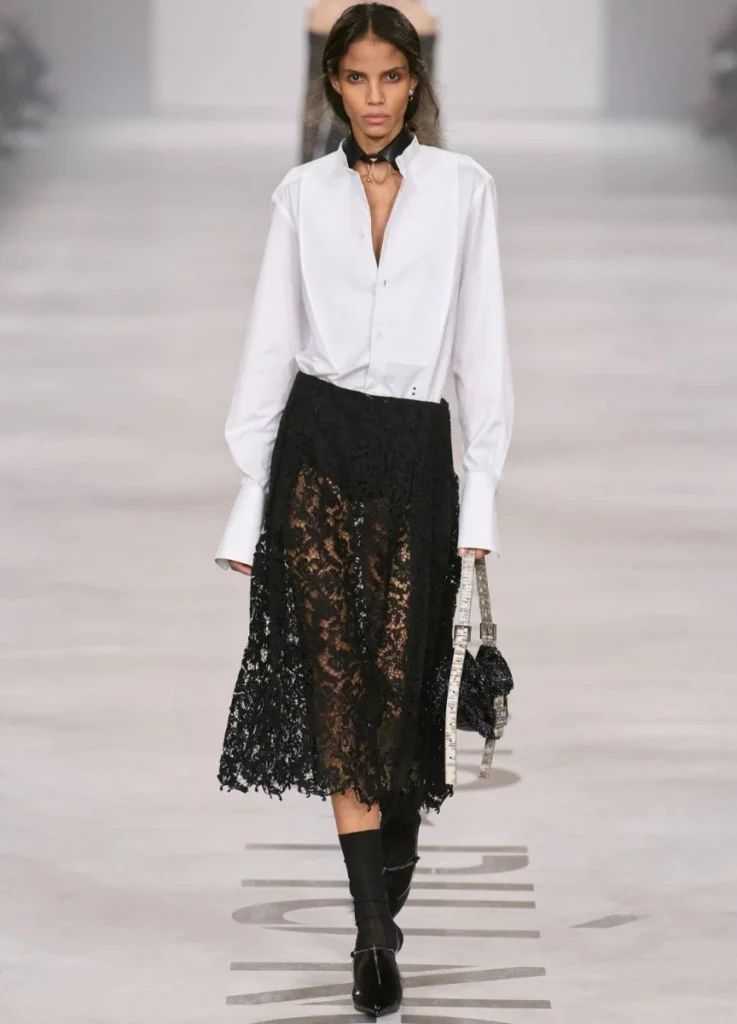
Chiuri’s Quiet Entry into Fendi
Chiuri has long been associated with explicit messaging — feminist slogans, collective authorship, ethical framing. At Dior, the manifestos were the throughline. The clothes carried the messages.
At Fendi, she deliberately lowers the volume.
There are ideas, but no manifestos. Symbols appear, but without insistence.
The restraint feels strategic. Fendi is already rich in iconography — Baguette, Selleria, fur, Roman sensuality. To impose a new ideological layer too quickly would risk distortion.
Chiuri opts for attunement instead, aligning her language with the house’s cadence before reshaping it.
What emerges isn’t a personal statement. It’s a calibration of tone.
This is the most interesting strategic choice in the collection. The Chiuri who spent eight years at Dior writing slogans onto T-shirts is choosing, at Fendi, to write almost nothing. The discipline required to hold back a signature designer language for a house’s sake is its own kind of statement.
Silhouette | A Restrained X-Line
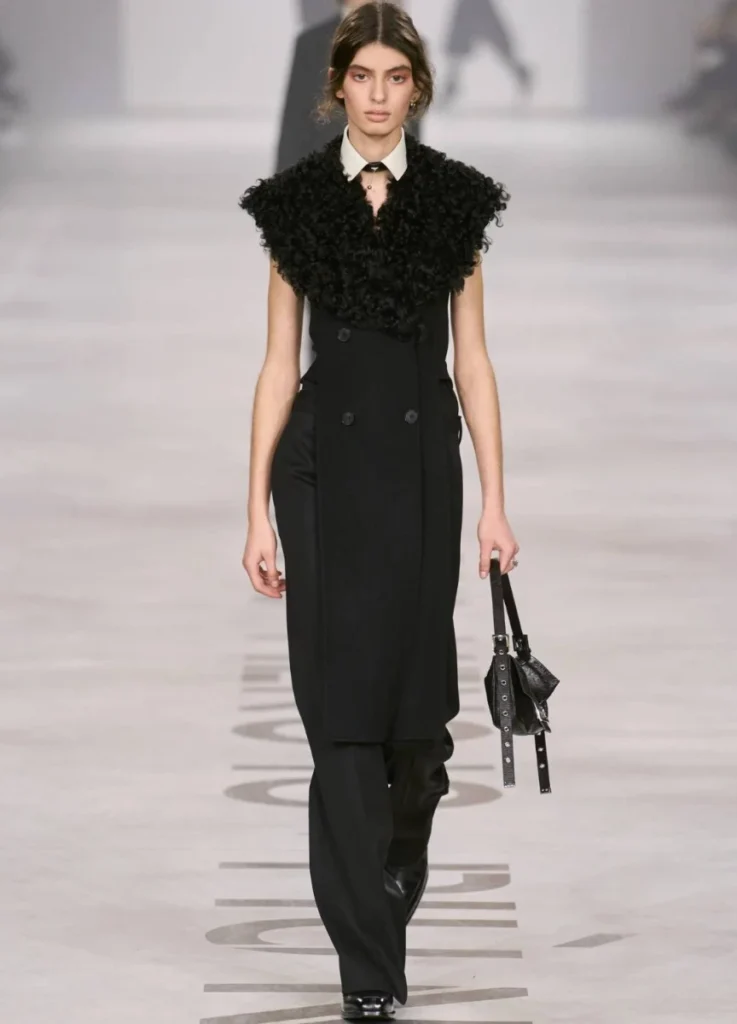
At first glance, the silhouettes appear deceptively simple. On closer inspection, they reveal a highly controlled internal logic.
- deep V-necklines without aggressive shoulder emphasis
- waistlines suggested rather than defined
- skirts and trousers that fall vertically, releasing volume only at the base
This is Chiuri’s familiar X-line — but neither ornamental as in her Valentino years, nor romanticized as at Dior. Here it’s structurally disciplined for Fendi.
Crucially, the same silhouette language applies across genders, reinforcing the idea of a shared wardrobe rather than differentiated roles.
Fur Returns | As Structure, Not Spectacle
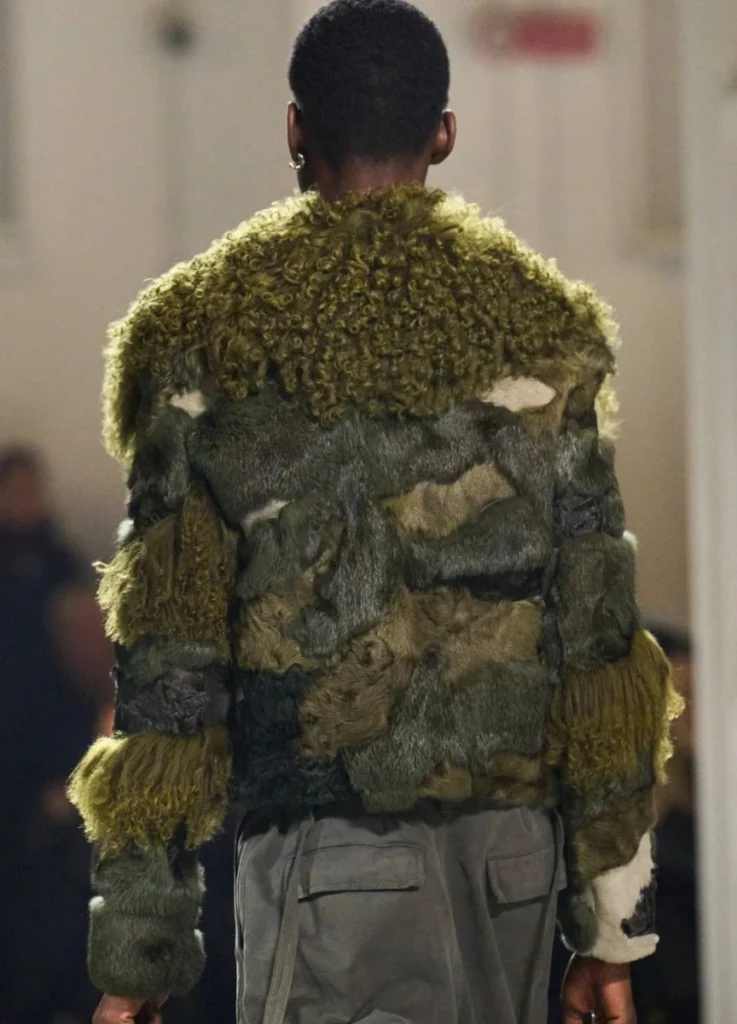
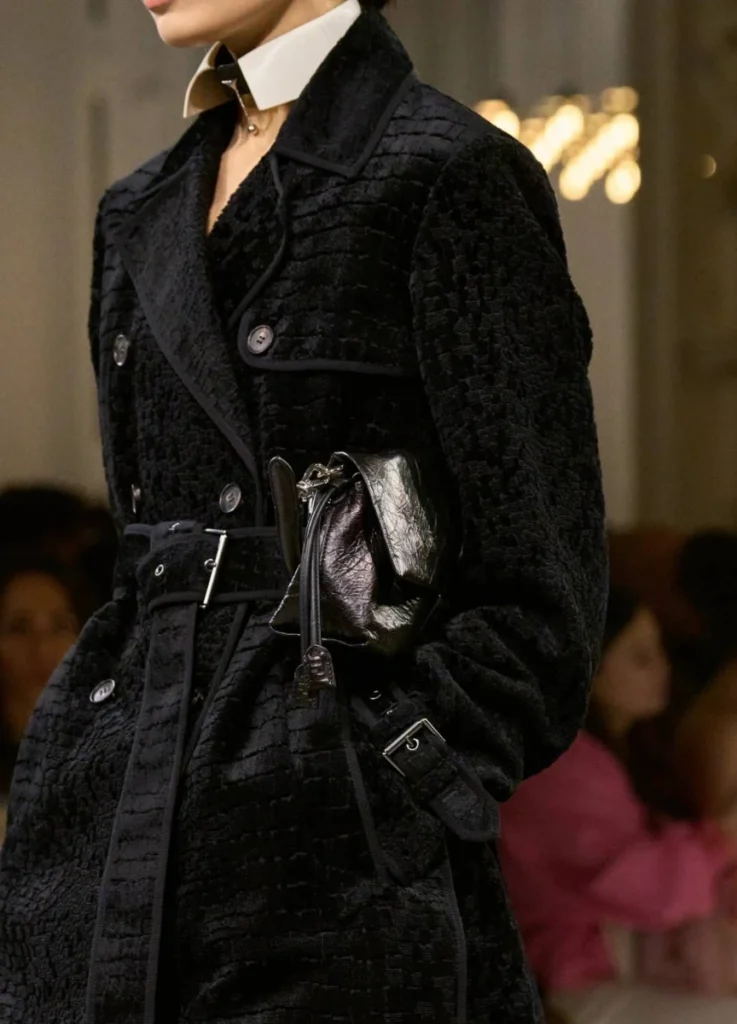
The most discussed element of the collection is the return of fur. Chiuri avoids spectacle.
Fur appears as:
- recycled and repurposed materials
- patchworked surfaces
- textural reinforcement rather than statement luxury
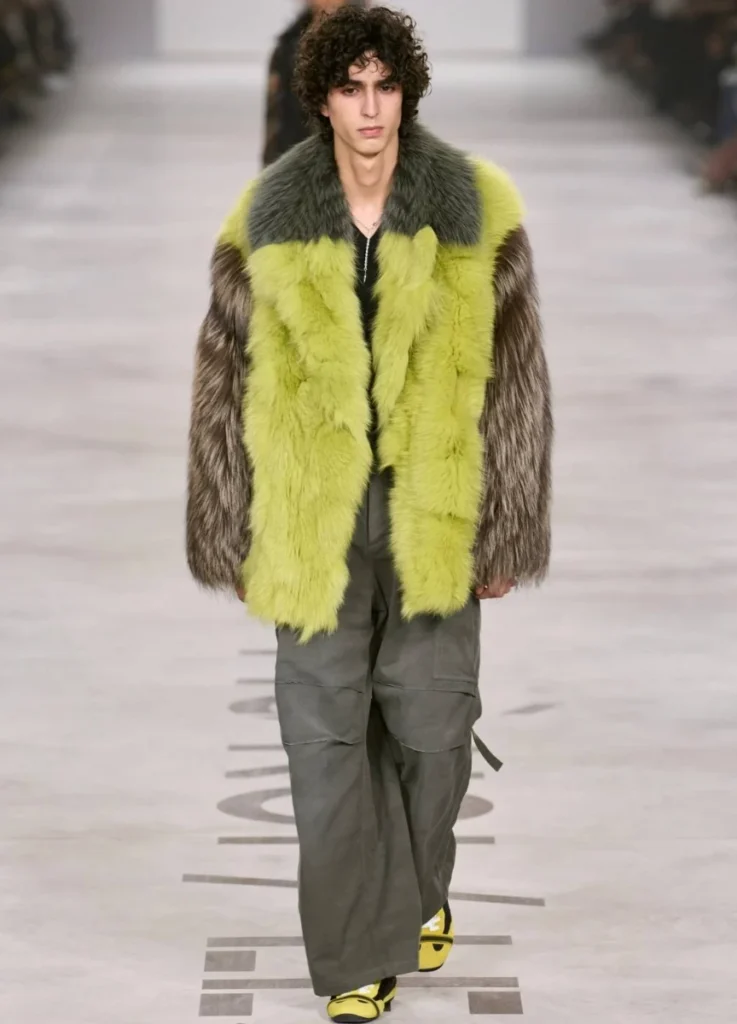
The approach reframes fur not as indulgence, but as technical heritage — a reminder of Fendi’s historical mastery without indulging its former excess.
Projects like Echo of Love further reposition fur as preservation rather than provocation.
Critics noted that Chiuri sidesteps ethical confrontation by rerouting the conversation through craftsmanship and continuity. The strategy works in 2026’s market context. Whether it preserves fur’s visceral function in Fendi’s identity is a different question.
Where Silvia Venturini Fendi Is Most Missed
The absence most keenly felt this season isn’t a name. It’s a sensibility.
For decades, Silvia Venturini Fendi shaped the house’s accessories language and overall sensorial register. Her departure from creative leadership leaves a specific kind of void — one that articulates itself across four registers in this collection.
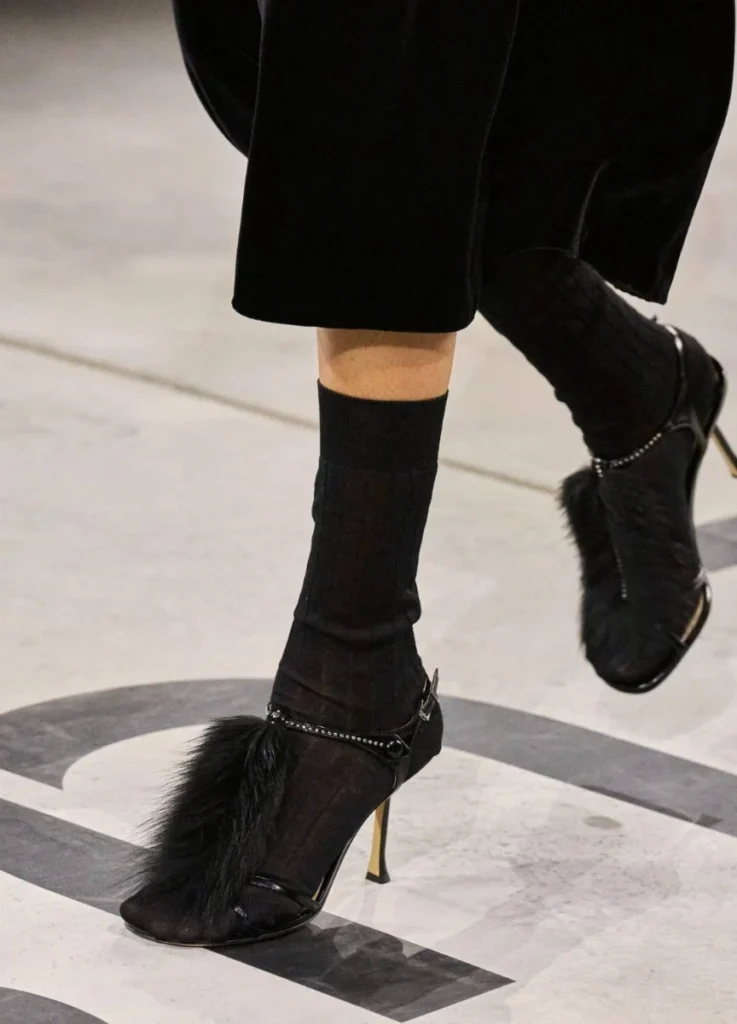
1. Accessories Without Instinctive Desire
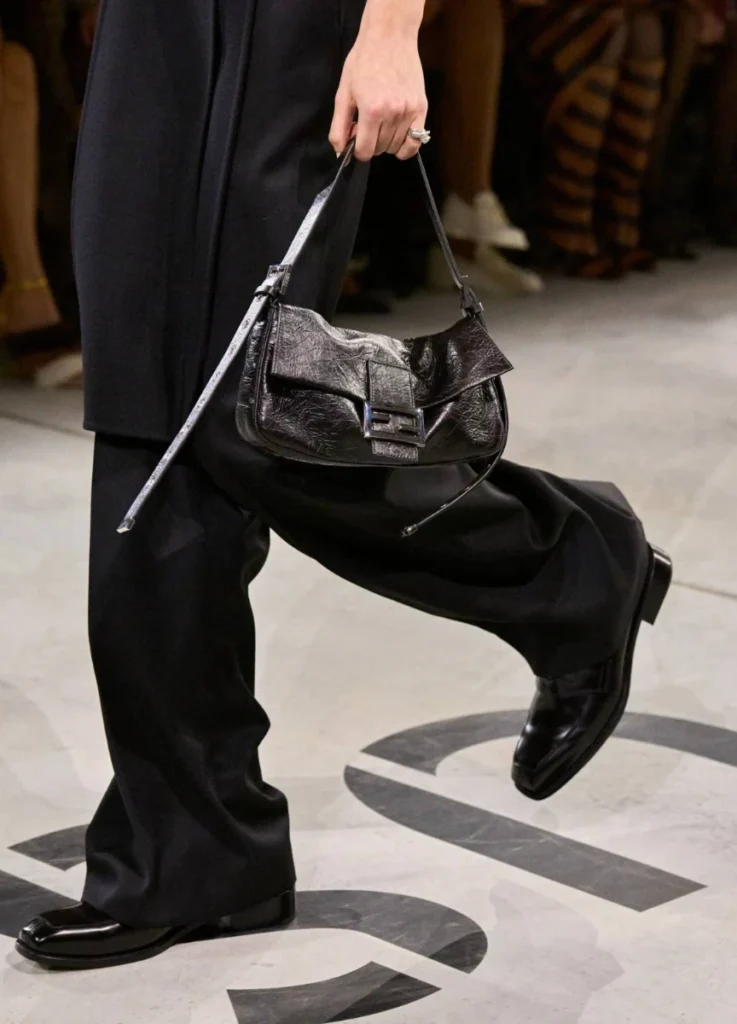
Under Silvia, accessories led with emotion. Baguette, Peekaboo, micro bags — they seduced before they could be explained.
Fall 2026’s bags, by contrast, are:
- proportionally safe
- functionally sound
- stylistically correct
But they lack surprise. Desire is delayed by explanation.
This isn’t a failure of design. It’s a loss of immediacy.
2. Fur as Concept, Not Touch
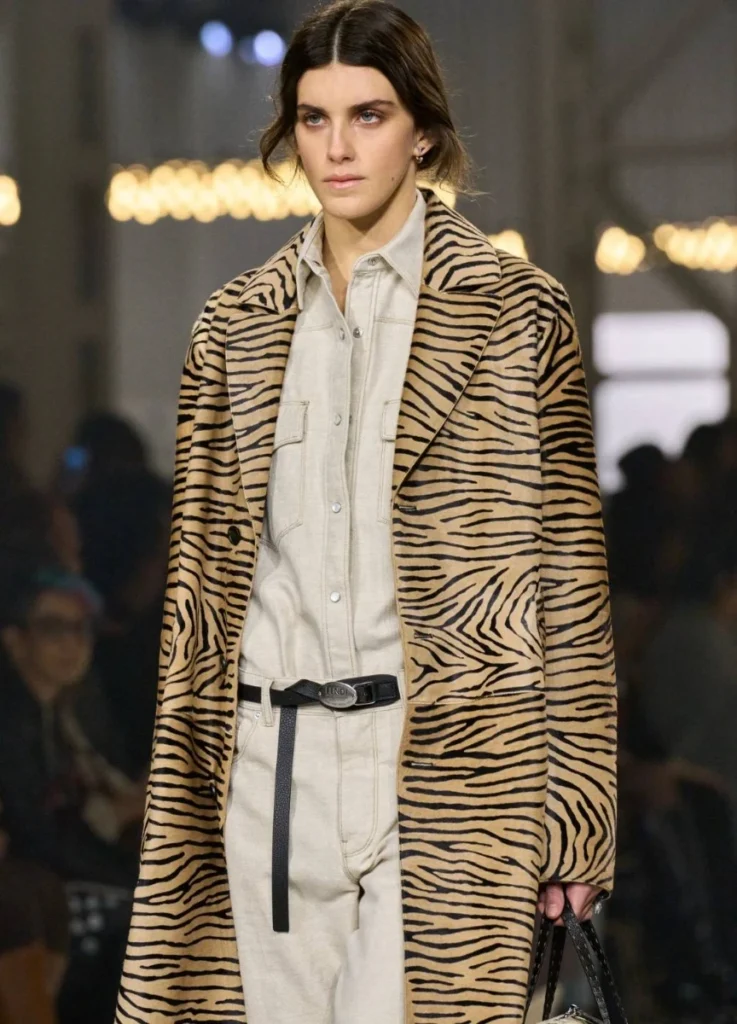
Silvia’s fur was unapologetically tactile — dense, heavy, almost excessive. The seduction was haptic before it was intellectual.
Chiuri’s fur is ethical, reasoned, contextualized. It’s understood before it is felt.
The shift is subtle, but decisive. Fendi moves from sensory seduction to intellectual validation.
3. Beauty Without Risk
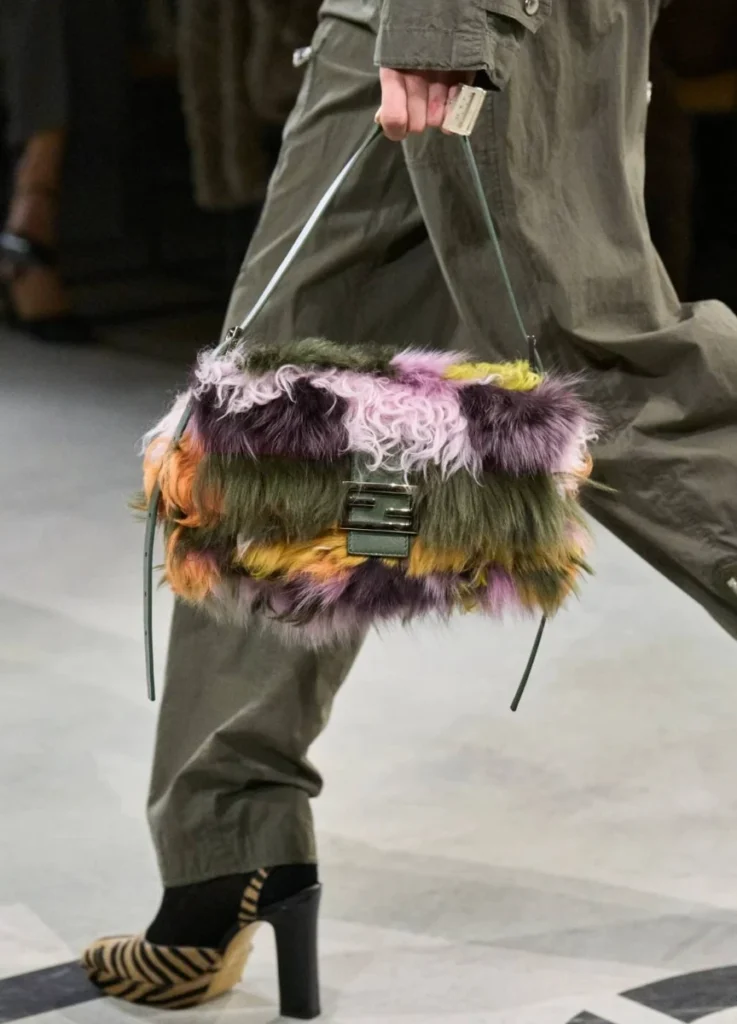
The collection is undeniably beautiful — but it stays within expected parameters.
Silvia’s Fendi always allowed for a moment of imbalance: a proportion slightly off, a detail slightly too much. That tension was precisely what gave the house its edge.
Fall 2026 avoids those risks. Every look resolves safely.
A safe Fendi is a coherent Fendi. It might not yet be a desirable Fendi.
4. From Attitude to Ethos
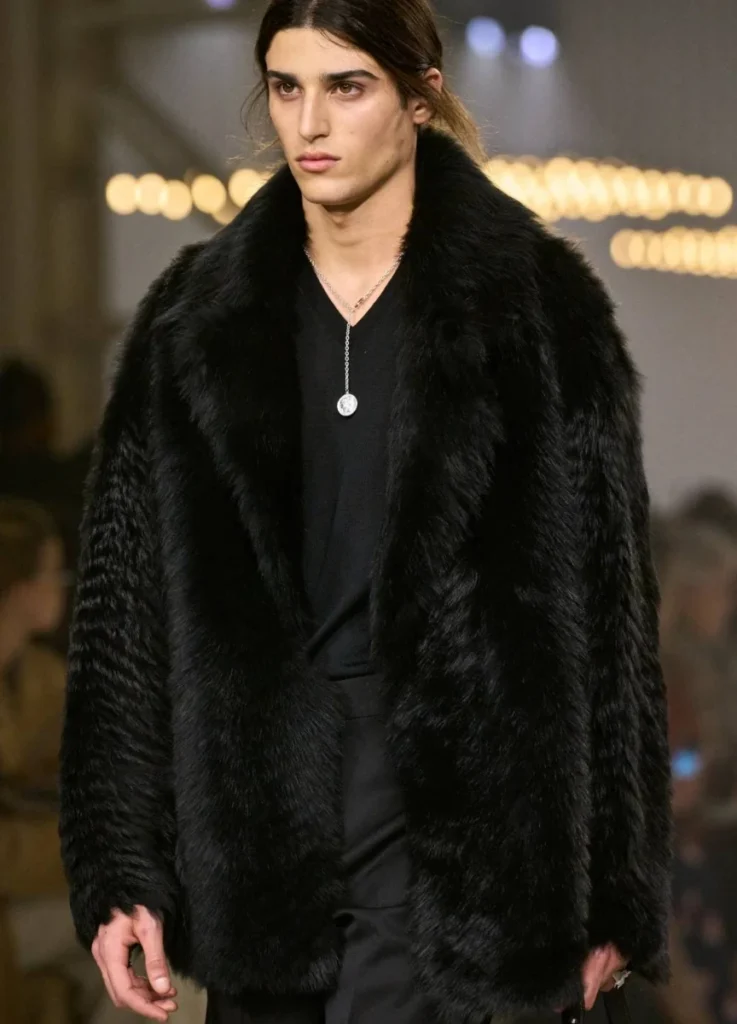
Most tellingly, the women of this collection communicate values rather than attitude.
Silvia’s Fendi women never explained themselves. They were the explanation.
Here, the clothes articulate the designer’s ethics before they reveal the wearer’s temperament. The wearer becomes the medium for the message, rather than the source of it.
It’s a nuanced but consequential shift.
Five Looks That Define the Season
Look 1 | Black Tailored Suit
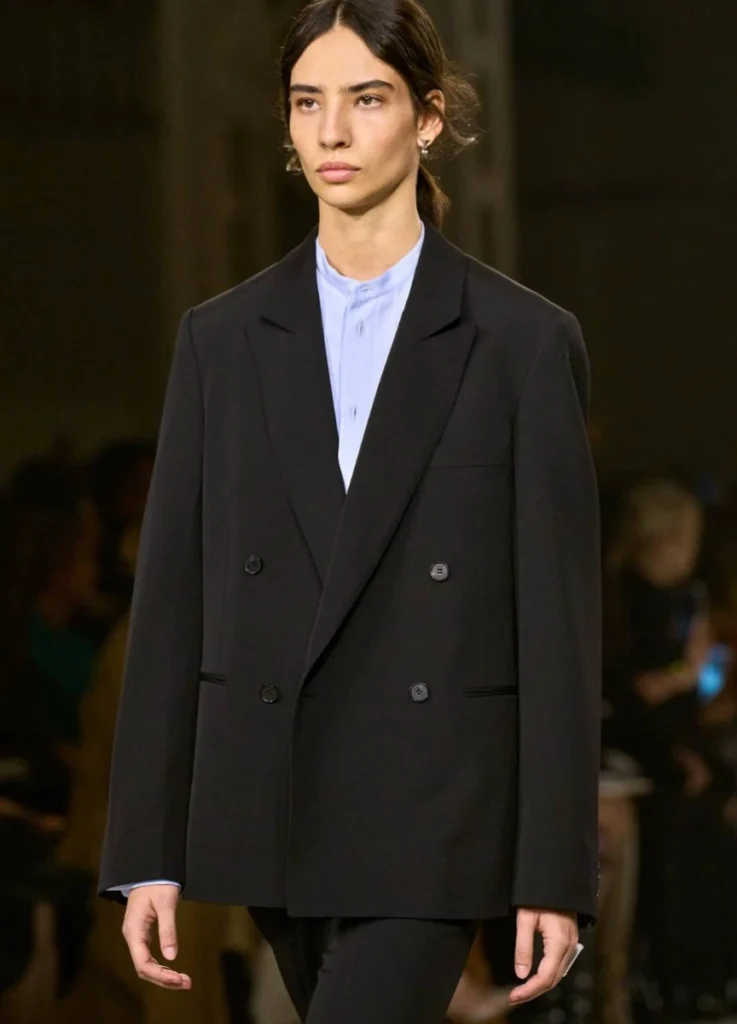
A gender-neutral double-breasted suit with impeccable proportion. Pure structure, no embellishment.
The clearest expression of Chiuri’s shared wardrobe ideal.
Look 2 | Lace Midi Dress with Black Shoes
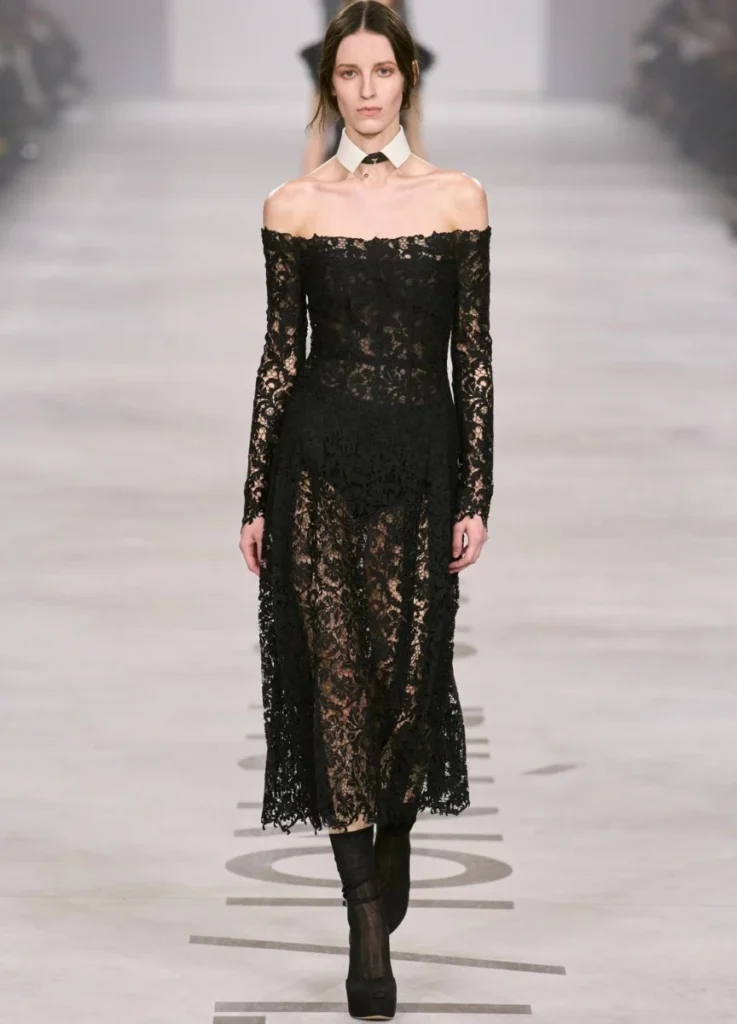
Lace treated as architecture, not decoration. Transparent yet controlled.
Femininity without sentimentality.
Look 3 | Fur Vest with Military Trousers
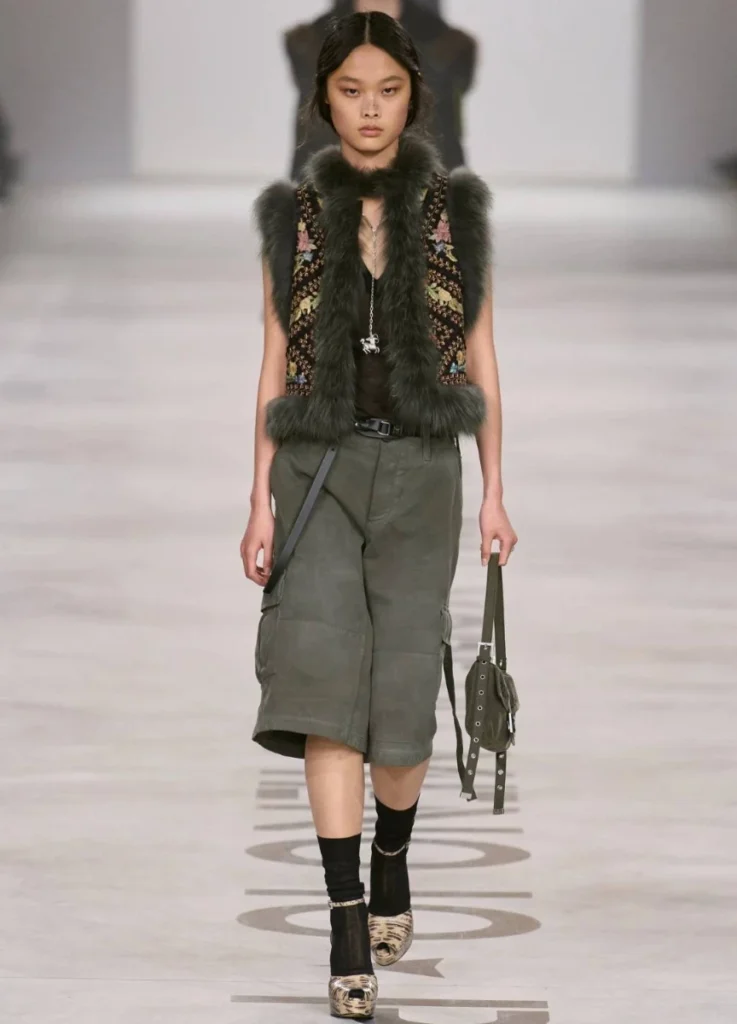
Utility meets heritage. The most convincing tension between softness and discipline in the collection.
Look 4 | Repeated Slip Dresses
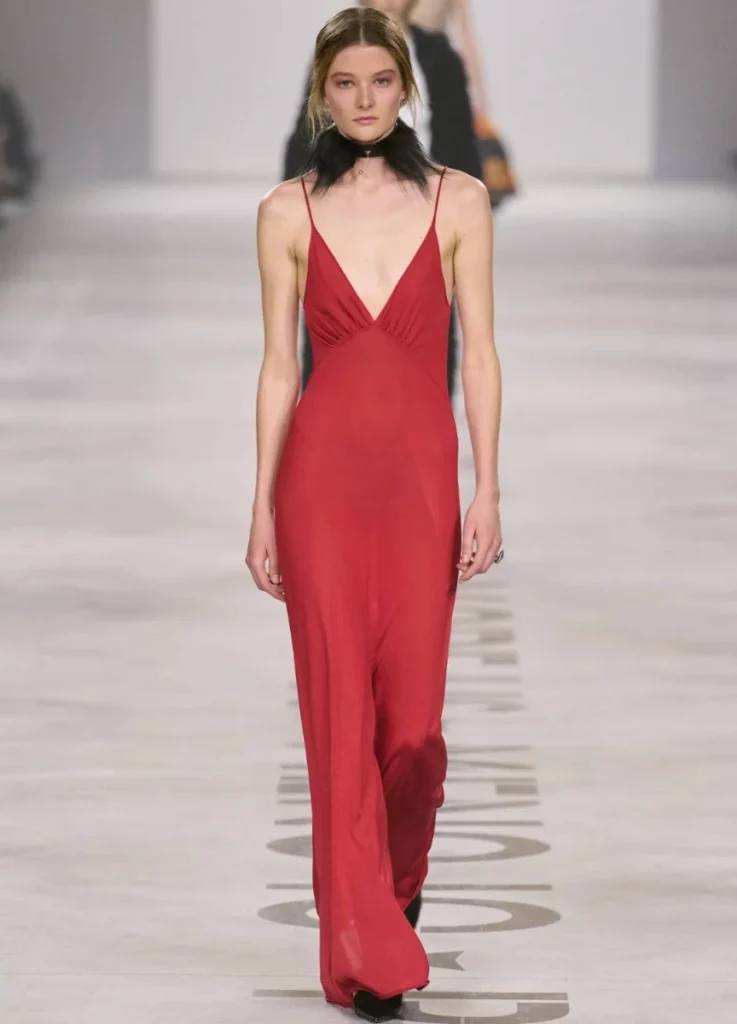
In black, red, and ivory. Minimal to the point of austerity.
Nightwear stripped of excess.
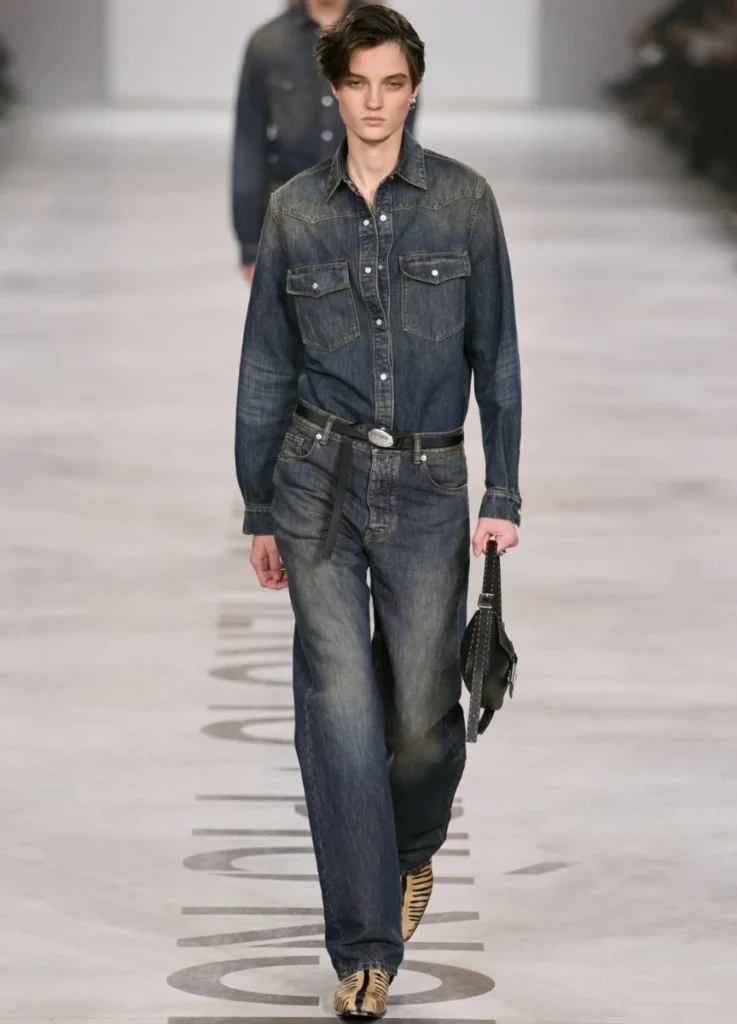
Look 5 | Denim with Selleria Stitching
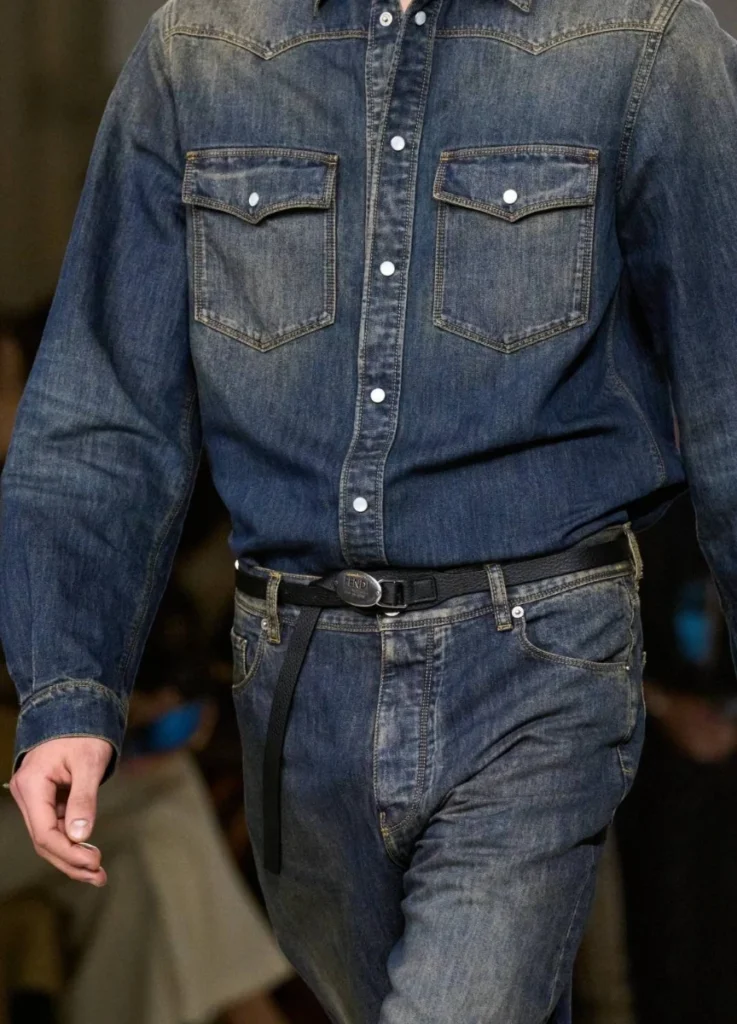
Perhaps the most authentically Fendi moment — craftsmanship embedded into everyday wear. The Selleria stitch carries the brand’s voice without needing to announce it.
This is Fendi being Fendi without performing Fendi.
Critical and Industry Response
Reception to Fendi Fall 2026 has been measured and nuanced.
Less I, More Us was widely cited as a guiding philosophy — interpreted as a return to collective authorship and family legacy. Tailoring and silhouette received consistent praise for realism and technical discipline. Fur’s reintroduction was viewed as emotionally durable design — shifting focus from controversy to longevity.
At the same time, many critics described the collection as elegant but expected — a refined opening chapter rather than a decisive new era.
The split is real. The collection works on technical and ethical axes. The question is whether technical and ethical alone are enough to keep Fendi distinct from a wider field of disciplined, intelligent, restrained Milan collections this season.
Final Assessment | A Deliberate Beginning
Fendi Fall/Winter 2026 isn’t a revolution. It’s an alignment.
Chiuri approaches the house with respect, restraint, and clarity — choosing order over seduction, ethics over instinct.
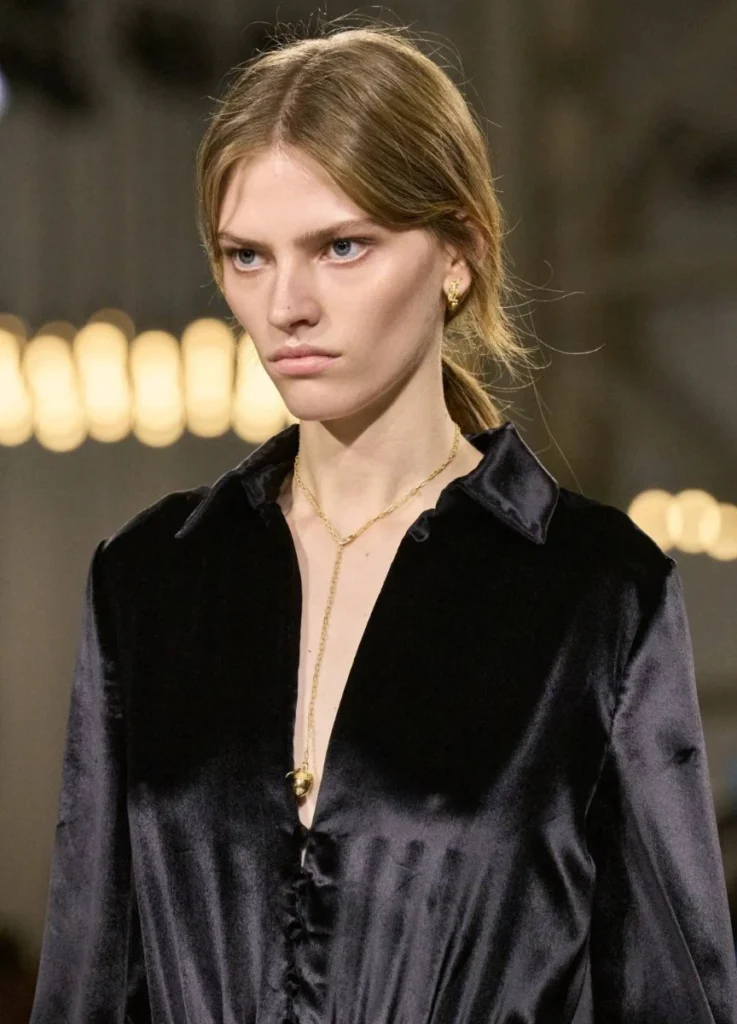
Yet Fendi’s true vitality has always lived in its willingness to flirt with excess, to risk desire before explanation. Silvia’s Fendi was never correct. It was wanted.
For now, the house stands in a composed, transitional state.
This is Chiuri wearing Fendi. It hasn’t yet become Fendi reshaped through Chiuri.
The distinction matters. The first is a careful debut. The second would be a creative direction.
Whether Chiuri will eventually allow Fendi to become dangerous again — willing to risk, willing to overstate, willing to seduce before it explains — is the question that defines the seasons ahead.
The collection answers everything technically.
It hasn’t yet answered the question of desire.
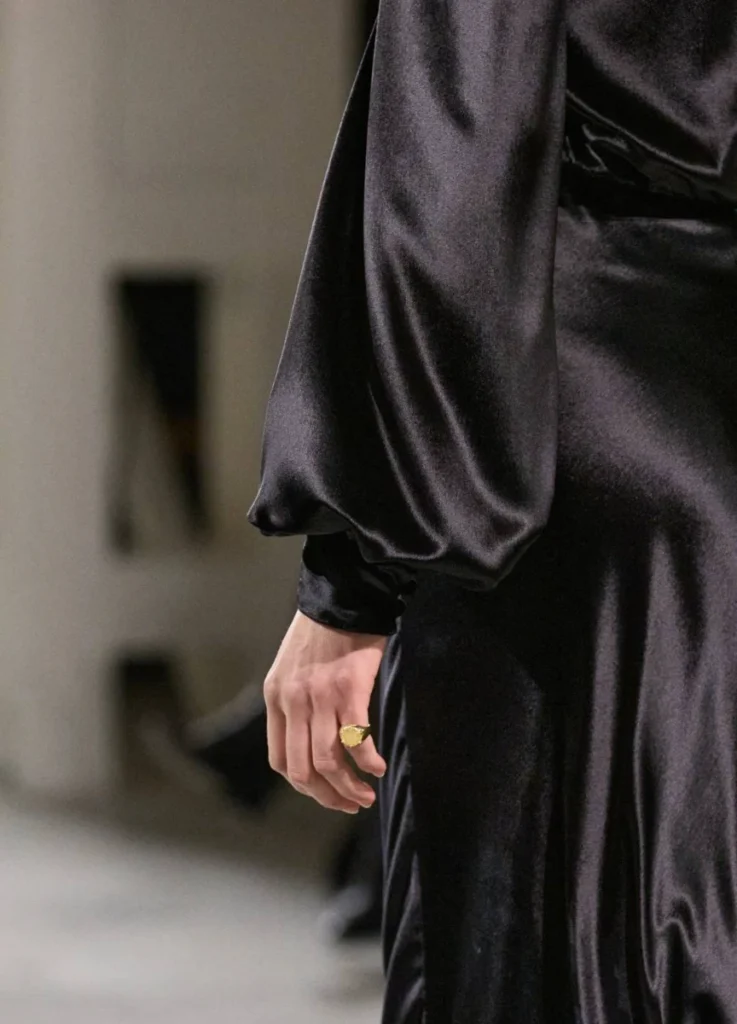
All images referenced in this post are drawn from Vogue Runway.
[ Related Editorials ]