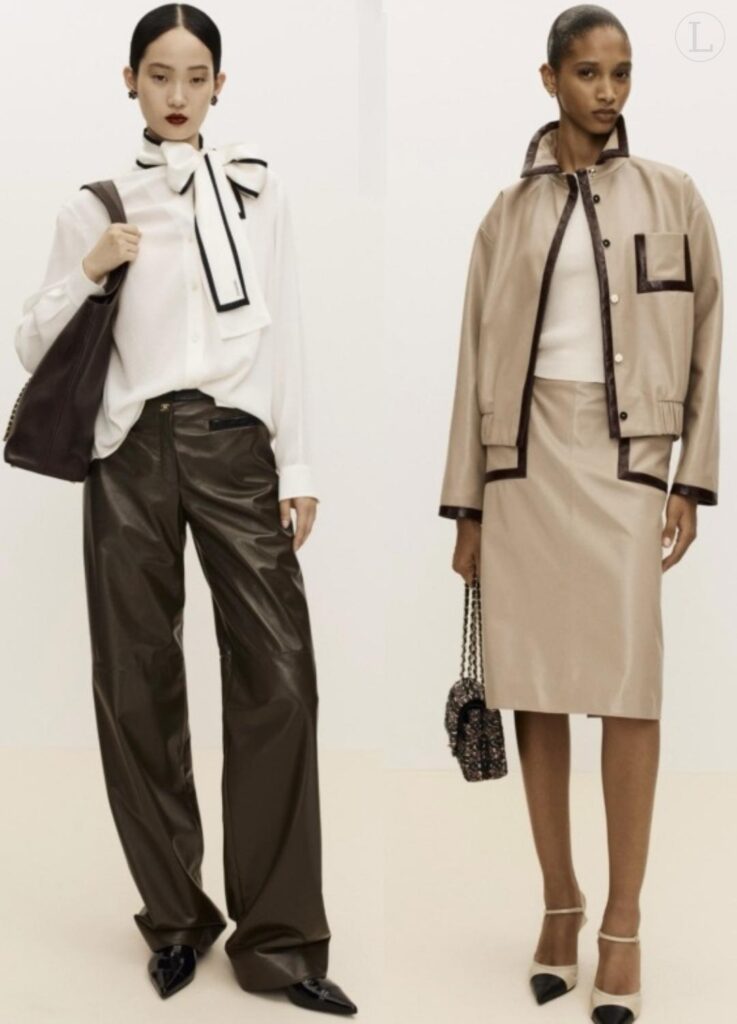
CHANEL 26P(2026 Spring-Summer act 1) arrives on January 16.
Rather than announcing itself loudly, the collection enters the season with restraint—suggesting refinement over spectacle, and evolution over disruption.
Compared to the 26S runway, it leans more deliberately toward wearability and broader appeal, while retaining—at least in part—Chanel’s long-standing strength: a structure that accommodates changing bodies with quiet flexibility.
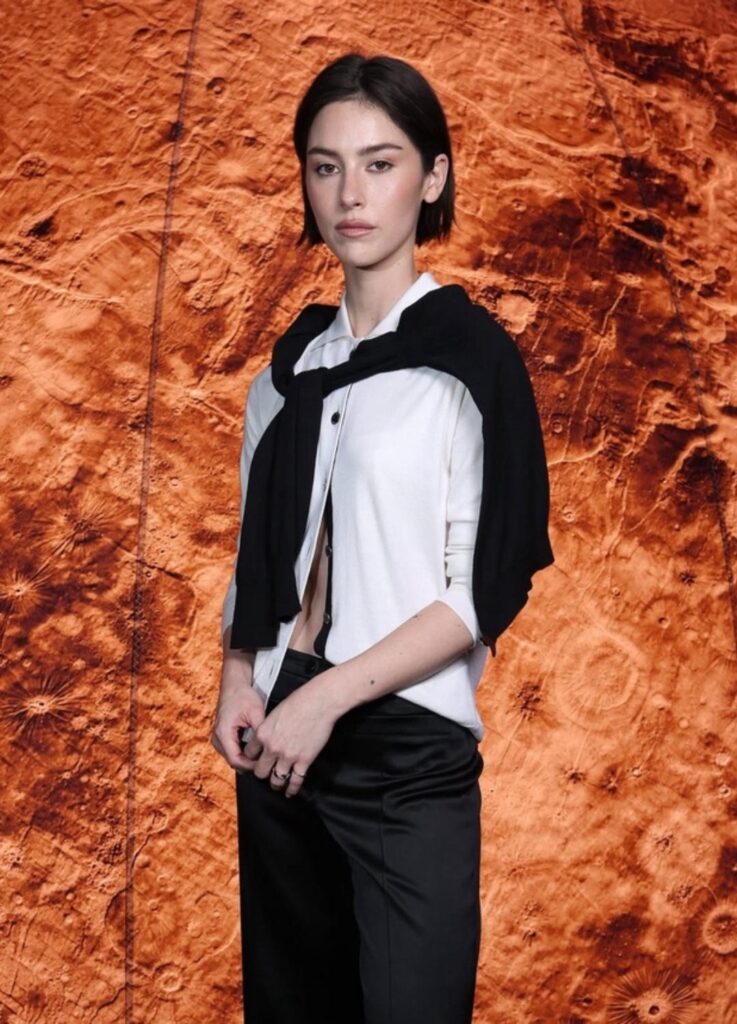
What feels noticeably restrained, however, is the tactile density traditionally associated with Lesage tweeds—the physical persuasion that once justified Chanel’s price point without explanation.
This preview examines the silhouette logic of Chanel 26P, its approach to body inclusivity, and the reasons this season ultimately invites a position of considered pause rather than immediate conviction.
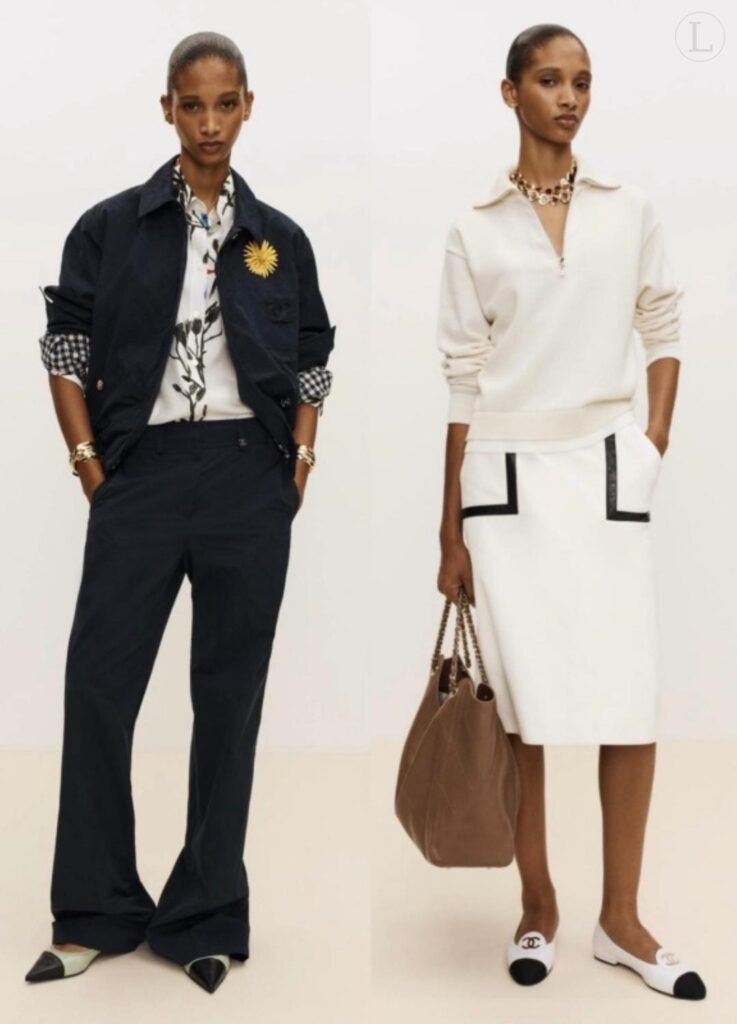
Chanel 2026 Spring–Summer Pre-Collection
In an Age of Excess Clothing, Why Chanel Still Asks the Question
The modern city woman’s wardrobe is becoming increasingly pragmatic.
Lightweight garments, ease of care, silhouettes that respect daily movement rather than interrupt it.
Technical fabrics, minimal patterns, clothes that require no explanation.
Within this context, Chanel’s latest Pre-Collection makes no attempt to be provocative.
Instead, it poses a quieter question:
What kind of attitude does the garment you wear leave behind?
This is where Matthieu Blazy’s interpretation of “daily wear” becomes relevant.
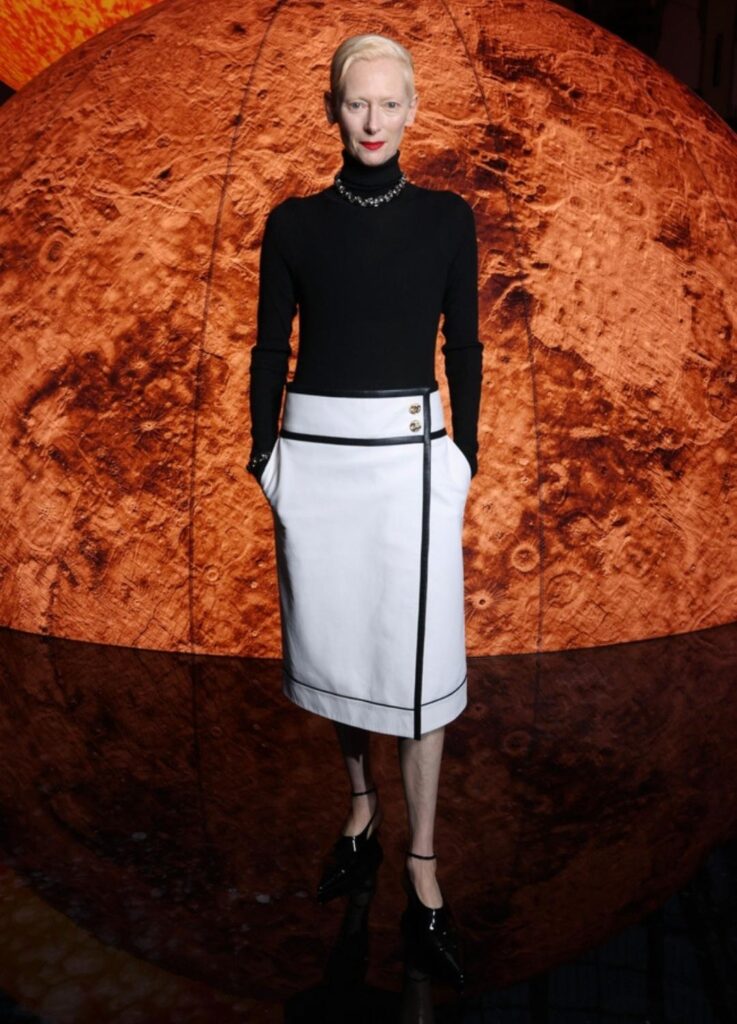
The Defining Language of the Season: Controlled Structure
Across the collection, the recurring theme is restraint—structure without excess.
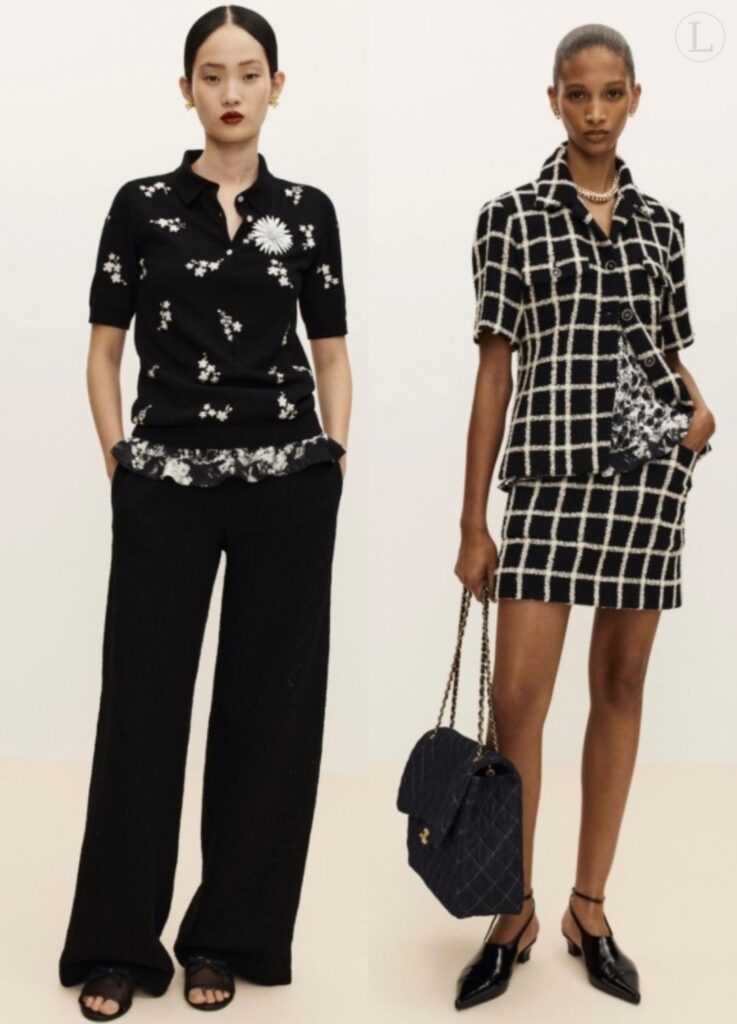
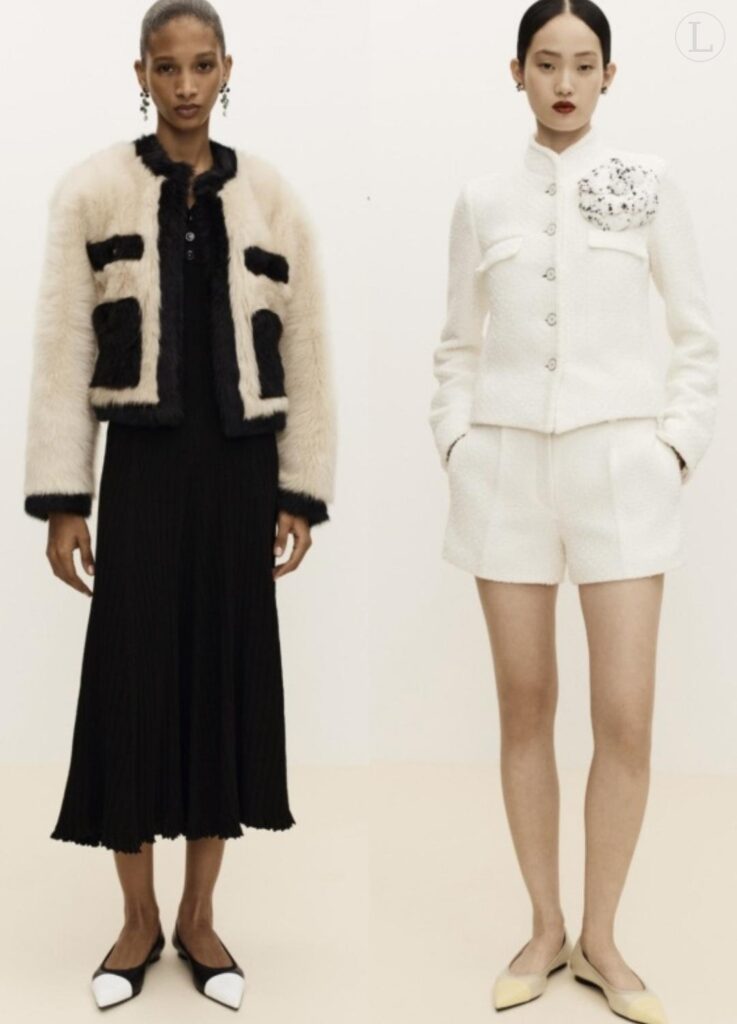
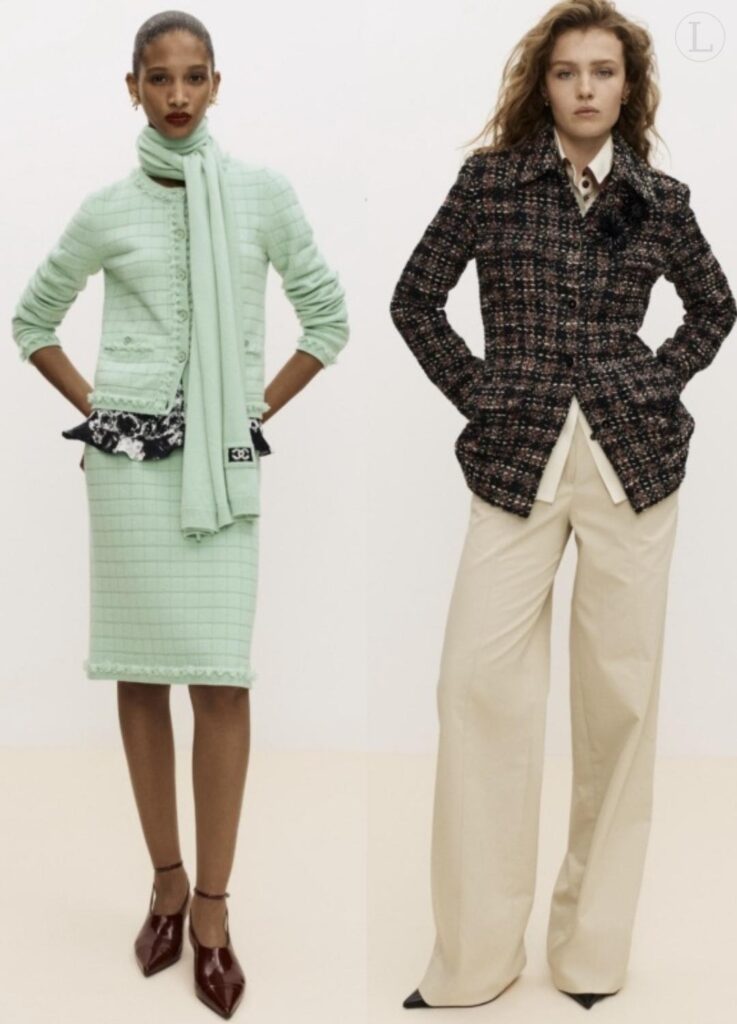
- Tweed jackets refined without aggressive volume
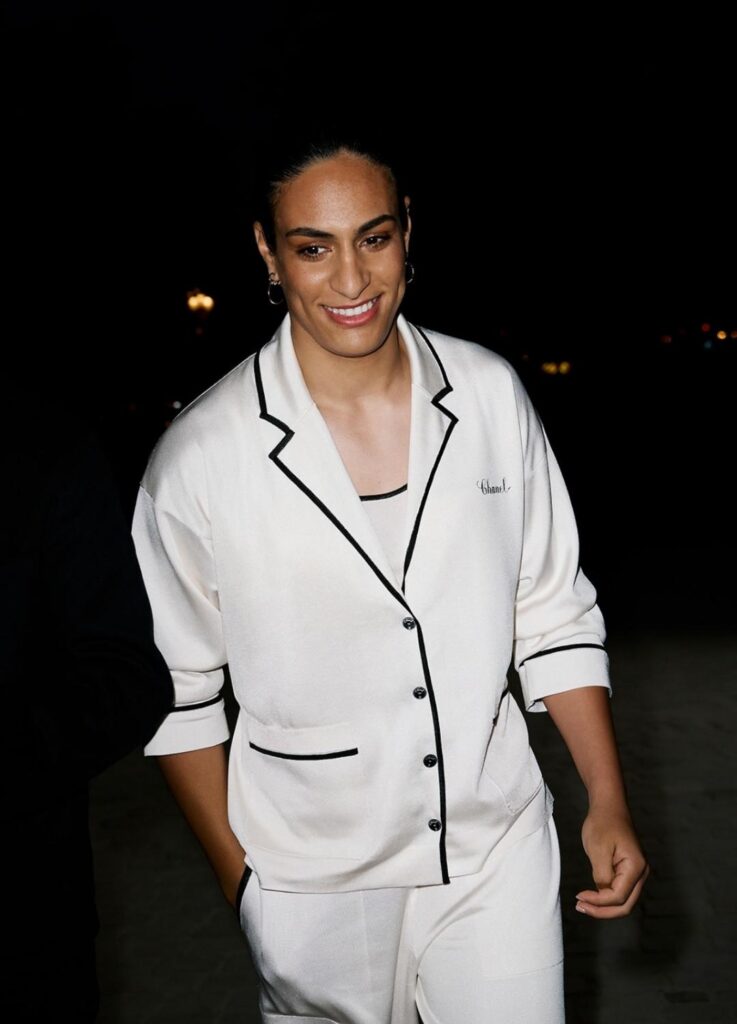
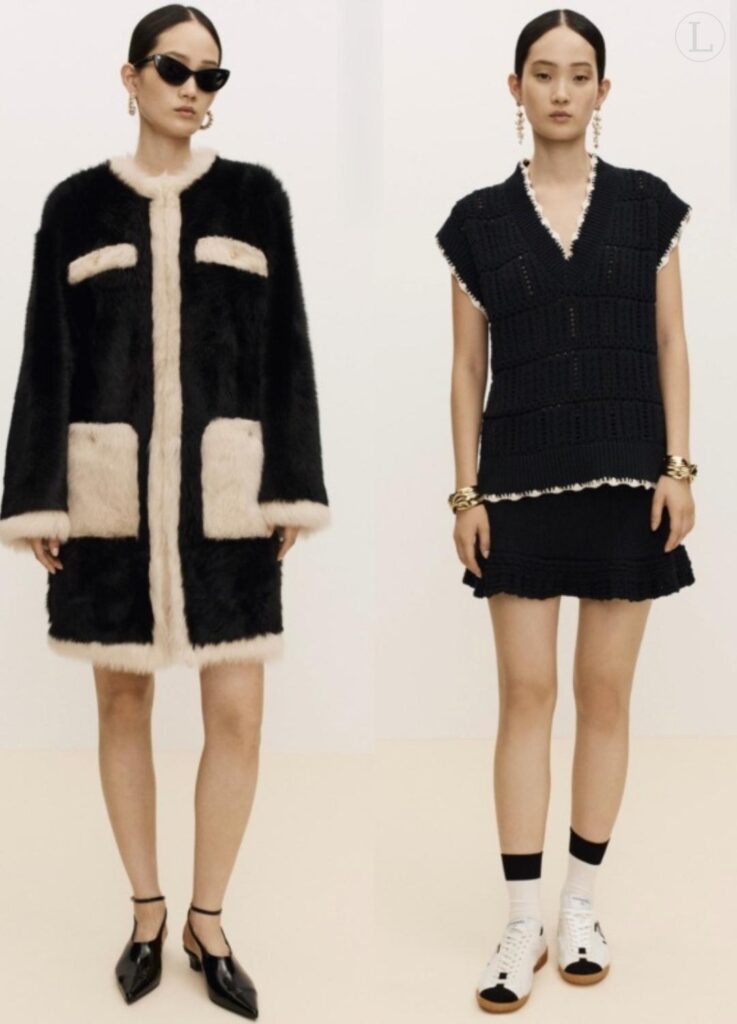
- Knit sets and cardigans designed for immediate, daily use
- Skirt lengths that facilitate movement rather than dramatize it
- Low heels and grounded footwear proportions
There is no obvious experimentation.
Yet nearly every look feels anchored in reality.
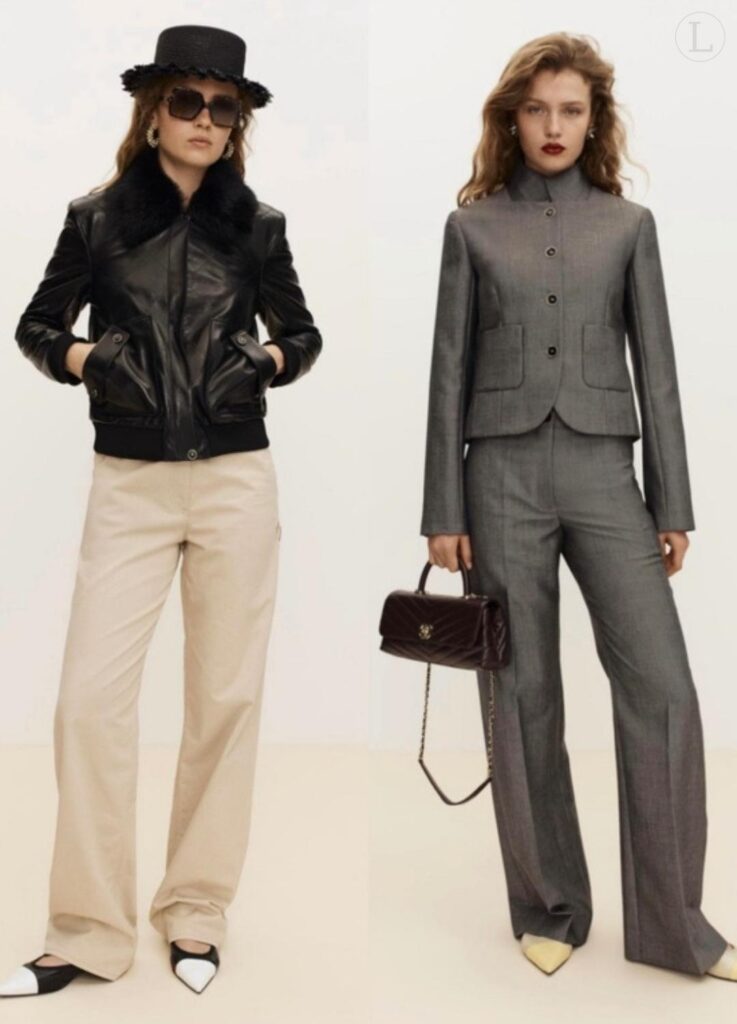
These are not garments designed to impress from a distance.
They are garments designed to be chosen instinctively, early in the morning, without deliberation.
Notably, the pastel tones and overt softness traditionally associated with P seasons are significantly edited down—another signal of intentional restraint.
Functionality Is Not the Differentiator
At this point, a natural question emerges:
If this level of practicality exists elsewhere, why Chanel?
The answer is not function itself.
From a purely functional standpoint, Chanel is easily substitutable.
What distinguishes it is how function appears—not as intent, but as outcome.

- Tweed exists not primarily for warmth, but for structural integrity
- Cardigans are not about comfort alone, but about organizing layers and proportions
As a result, these daily looks do not feel “comfortable” so much as composed.
Where the Collection Succeeds Most Clearly
1. Stability of Silhouette
The garments maintain balance without relying on waist emphasis.
Rather than reshaping the body, they refine posture and presence.
2. Discipline in Color
Ivory, beige, black, and softened pastels dominate—not to be remembered, but to endure.
These are colors chosen for longevity, not immediate impact.
3. Precision of Detail
Brooches, chains, and buttons function less as decoration and more as visual anchors.
The eye remains contained within each look, never scattered.
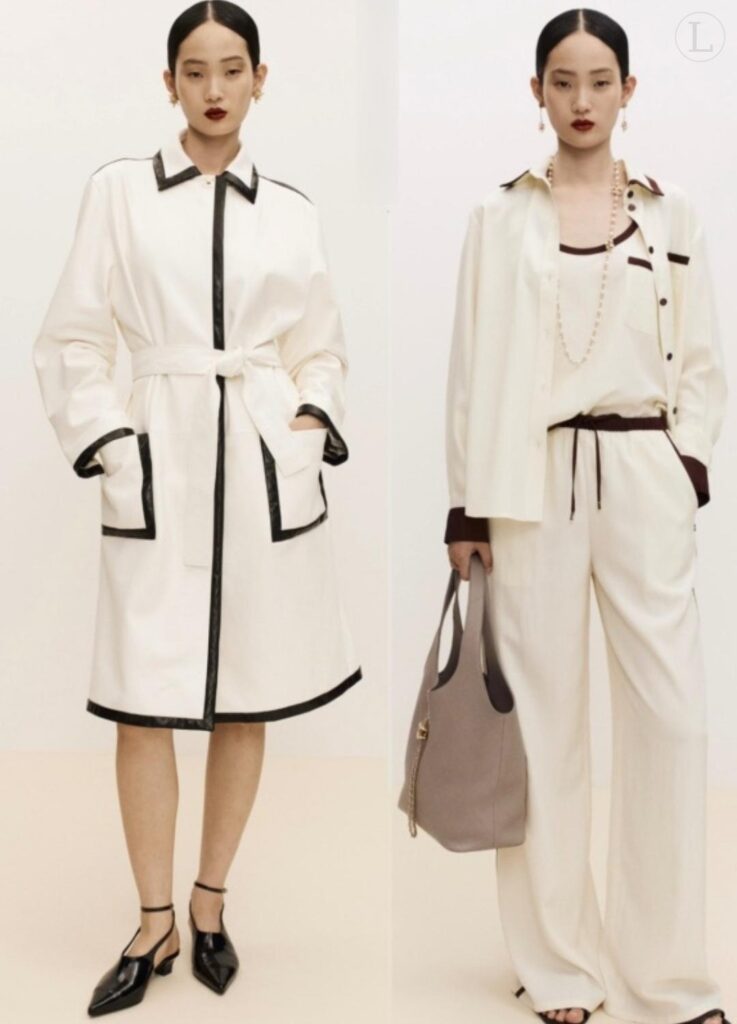
Body Compatibility: Who Does This Season Serve Best?
Overall Silhouette Summary
- Straight, non-constricting lines
- Shoulders refined, never exaggerated
- Lengths centered around the knee to mid-calf
- Materials favor shape retention over fluid drape
These are garments that stabilize rather than transform the body.
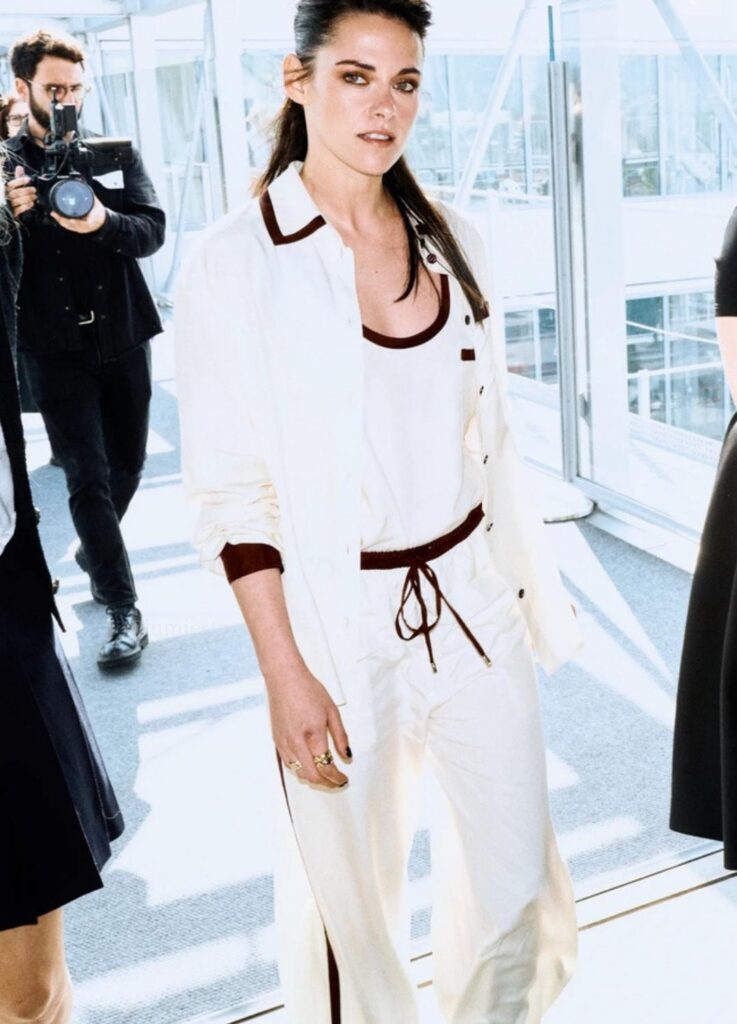
Body-Type Observations
Upper-body presence / shoulder-forward frames
Best supported by collarless tweed jackets, single-breasted silhouettes, and lightweight cardigan layering.
Avoid heavy brooch clusters and wide lapels.

Lower-body dominant or wave-shaped frames
H-line skirts, knit skirts, straight trousers paired with shorter tops perform best.
Chanel’s linear tweed patterns prevent visual expansion through the hips.
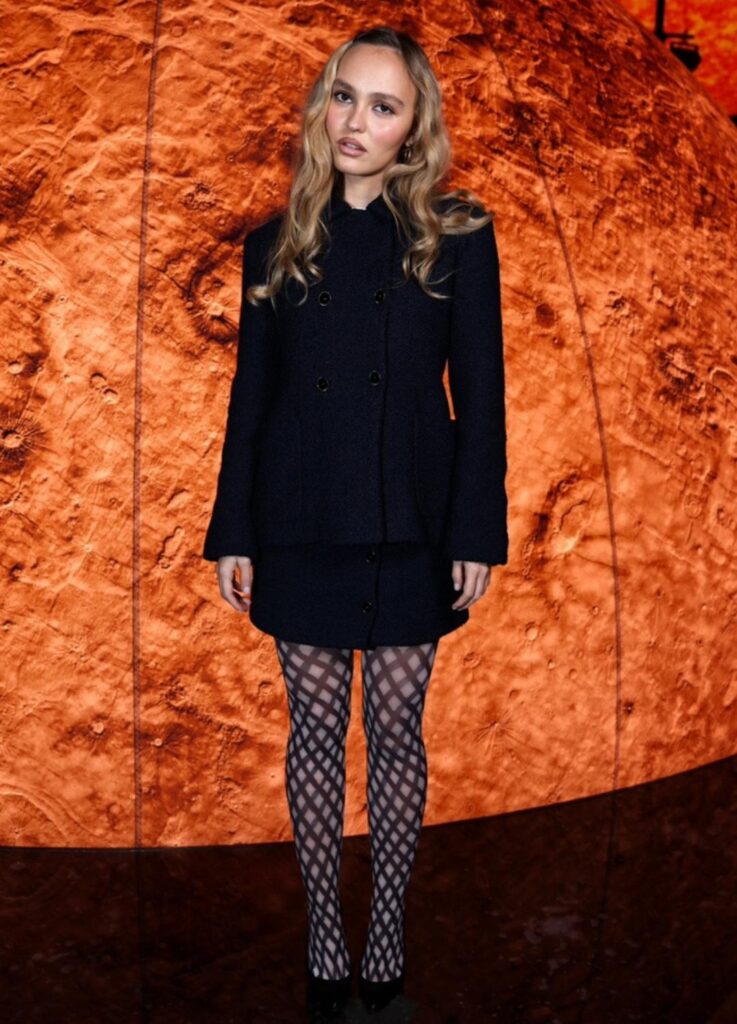
Petite frames (around 160cm)
Cropped jackets, high-waisted bottoms, knee-length skirts, and tonal styling work most effectively.
Long, heavily embellished outerwear remains better suited to taller proportions.
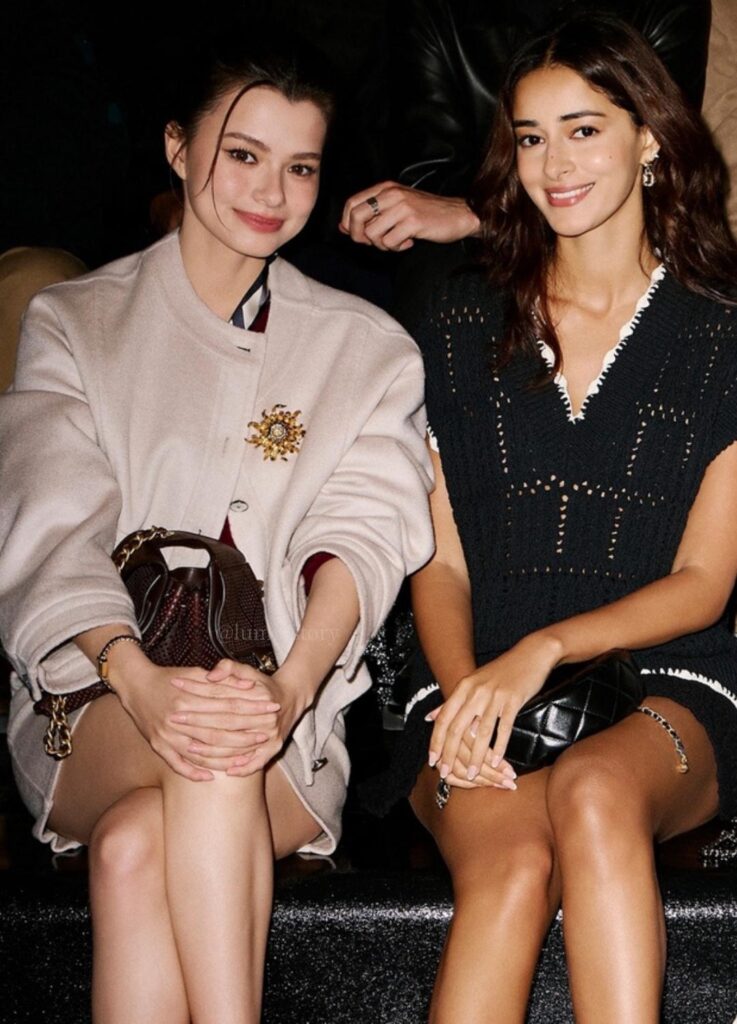
Slim or straight frames
Knit sets, cardigan-and-slip combinations, and tweed minis benefit from the material’s inherent volume, preventing flatness.
Leather and Faux Fur Through Blazy’s Lens
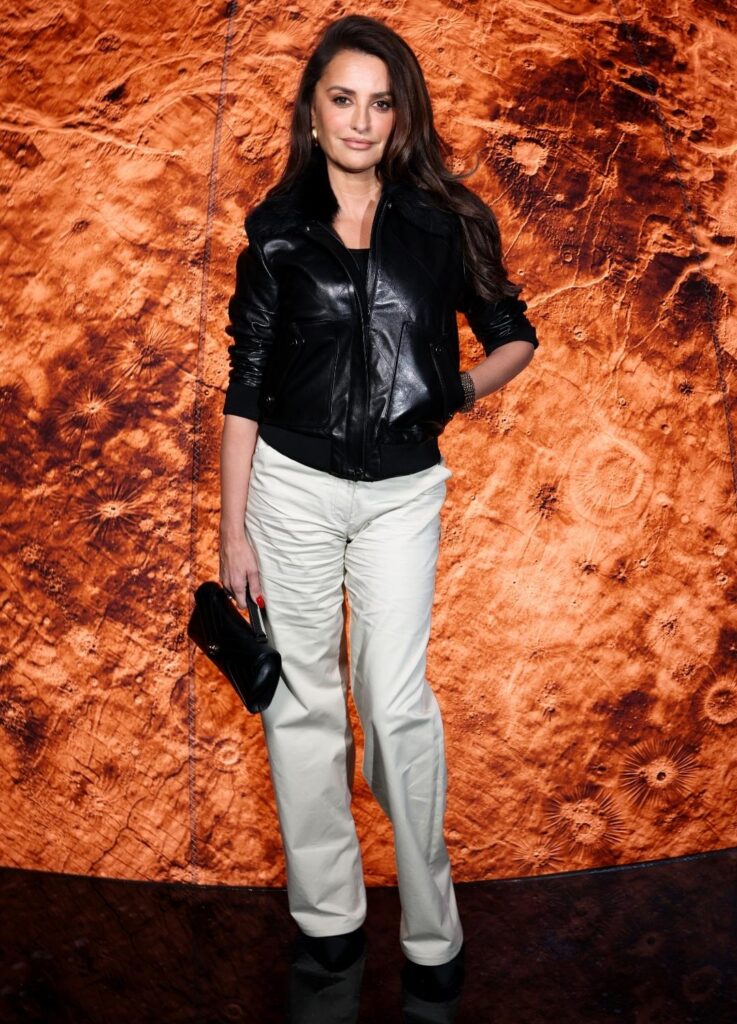
At first glance, Chanel’s leather and fur outerwear this season may feel unfamiliar.
That unfamiliarity is intentional.
Blazy’s design language consistently prioritizes material intelligence over spectacle:
- Leather that does not announce itself as leather
- Structure without rigidity
- From a distance, fabric; up close, material complexity
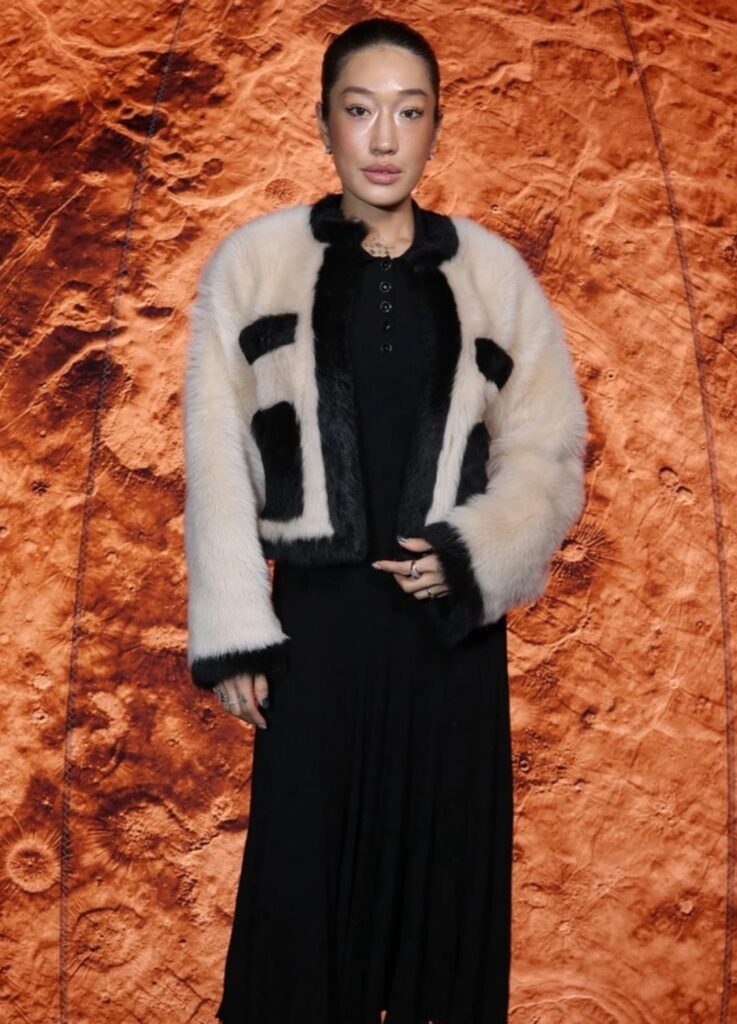
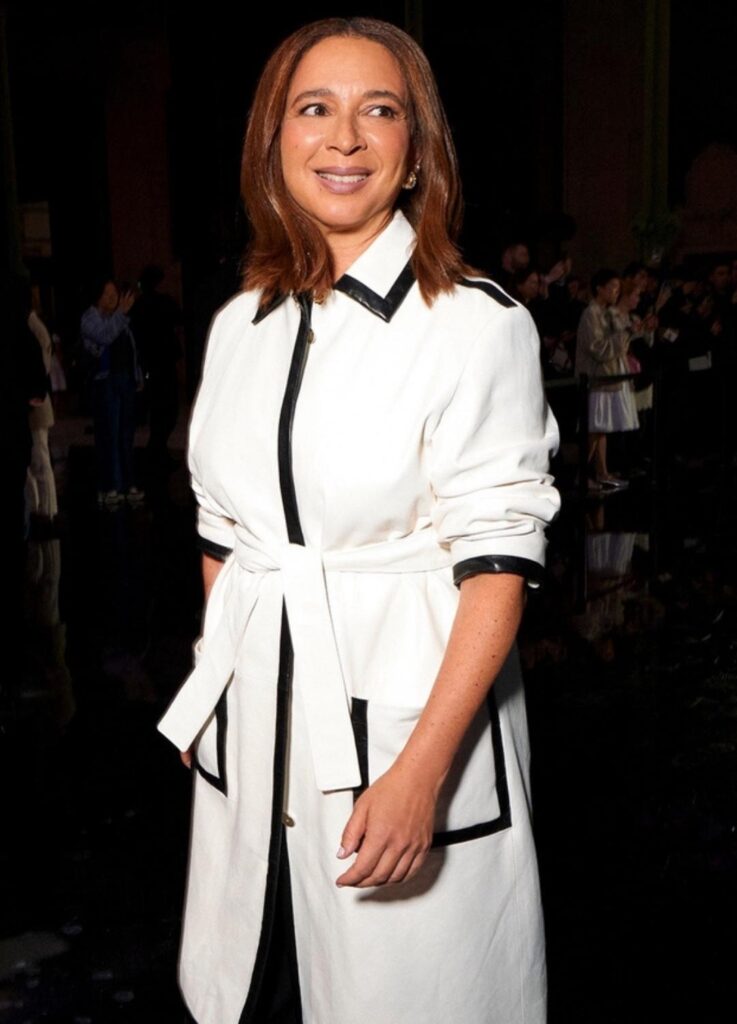
The leather jackets occupy a liminal space between shirt, jacket, and coat—designed not for dominance, but for quiet resilience.
Similarly, the faux fur pieces are not used for volume or glamour, but strictly as texture.
Shorter lengths, color-blocking, minimal inner styling—fur becomes surface, not statement.
This approach echoes Blazy’s work at Bottega Veneta: luxury as sensory restraint rather than visual excess.
Inclusive, Yet Not Neutral
One of the season’s quiet achievements is its relative inclusivity.
Unlike the 26S runway—which raised legitimate concerns—the Pre-Collection offers a broader silhouette spectrum.
However, inclusivity here does not imply uniform success.
The defining preference becomes clear:
bodies with stable central alignment, moderate proportions, and minimal need for overt shaping benefit most.
In contrast, highly curvilinear frames or bodies reliant on waist definition may find the collection underwhelming.
This is not oversight—it is orientation.
Why Judgment Feels Deferred
The hesitation surrounding this season is not aesthetic—it is tactile.
While silhouettes are refined and wearability is strong, the physical density traditionally delivered by Lesage tweeds feels subdued.
- Surfaces are smoother
- Irregularities are minimized
- The sense of time embedded in the material is quieter
The garments are undeniably attractive.
Yet standing before the price tag, one question persists:
Does the material presence fully justify the cost?

Not Rejection, But Suspension
This is not a weak season.
Nor is it a disappointing one.
It is a season that invites restraint from the consumer.
- Design logic is sound
- Body accommodation remains, though less forgiving than before
- Material persuasion, however, is temporarily withheld
For many experienced Chanel wearers, this becomes a season to try, observe, and decide later.
Closing Thought: Why Chanel, Still
Despite the abundance of functional clothing available today, Chanel continues to offer something less tangible.
It organizes not only the body, but the attitude with which one moves through the day.
Subtle, centered, unannounced.

And so the final question remains unchanged:
There are many functional garments.
But what impression do you intend to leave today?
This season’s Chanel does not answer that question loudly.
It simply refuses to let it go.
[ Related Editorials ]