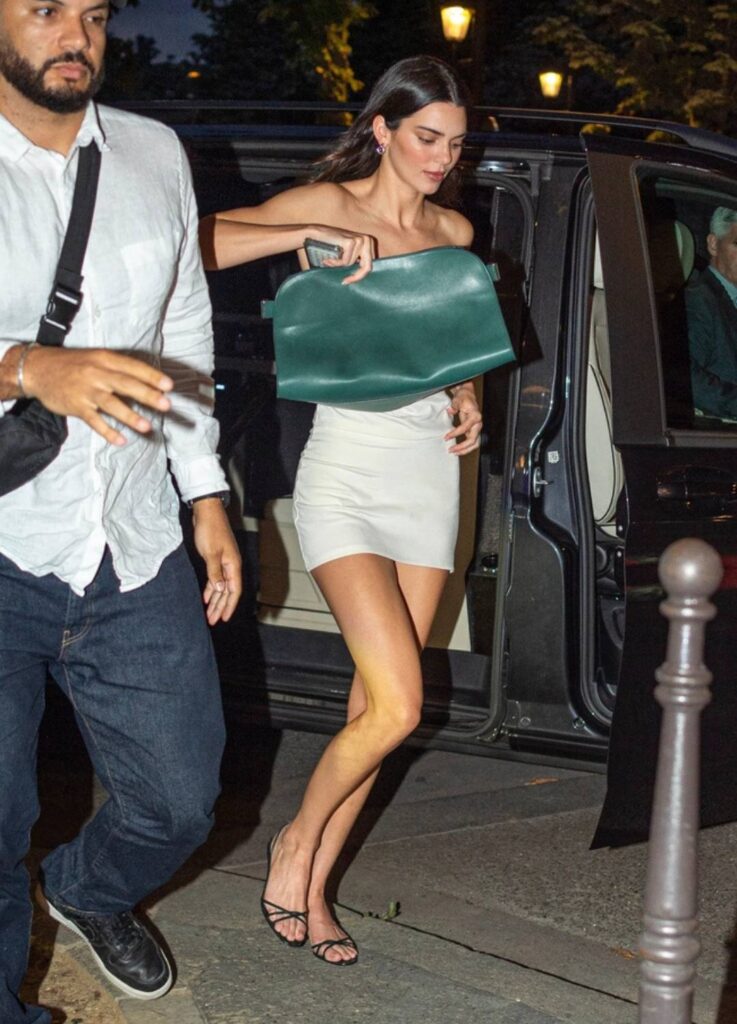
The question appears frequently in today’s luxury conversation:
Is The Row’s popularity sustainable—or is it simply another moment of fashion fatigue dressed as restraint?
At first glance, this may seem like a question about one brand’s future. In reality, it reveals something broader: a shift in how luxury is expected to function today.
The Row is unlikely to become a universally popular brand.
But for those who integrate it into daily life, it tends to remain.
That distinction—between popularity and permanence—is critical.
Trend-driven brands spread quickly and disappear just as fast.
Settled brands move slowly, but once embedded, they are difficult to replace.
To understand where The Row stands today, it helps to revisit how high-end brands historically moved beyond trend and into permanence.
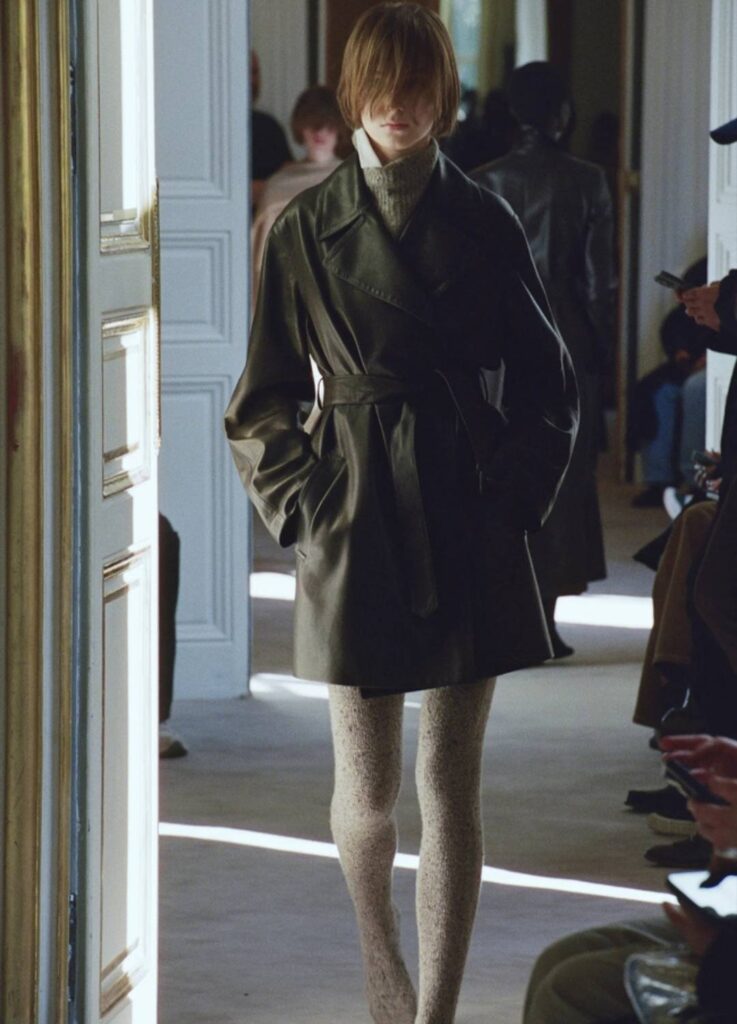
source: Vogue Runway
1. No High-End Brand Becomes a Classic All at Once
What we now call “classic” luxury was rarely perceived as such at its inception.
Many established houses were once seen as difficult, under-expressive, or even impractical. Their authority was not built through immediate admiration, but through sustained alignment between attitude, product, and time.
- Hermès did not establish trust through bags, but through a craftsman’s discipline that preceded fashion relevance.
- Chanel earned permanence by dismantling the conventions of women’s dress rather than embellishing them.
- Celine, under Phoebe Philo, structured an entire generation’s taste through restraint and repetition.
In each case, the product followed the attitude—not the reverse.
Brands that endure rarely rely on singular “hit items.”
They establish a consistent aesthetic axis, reproduce it across categories, allow consumers to experience it repeatedly, and eventually become part of personal standards rather than seasonal desire.
The Row already operates within this logic.
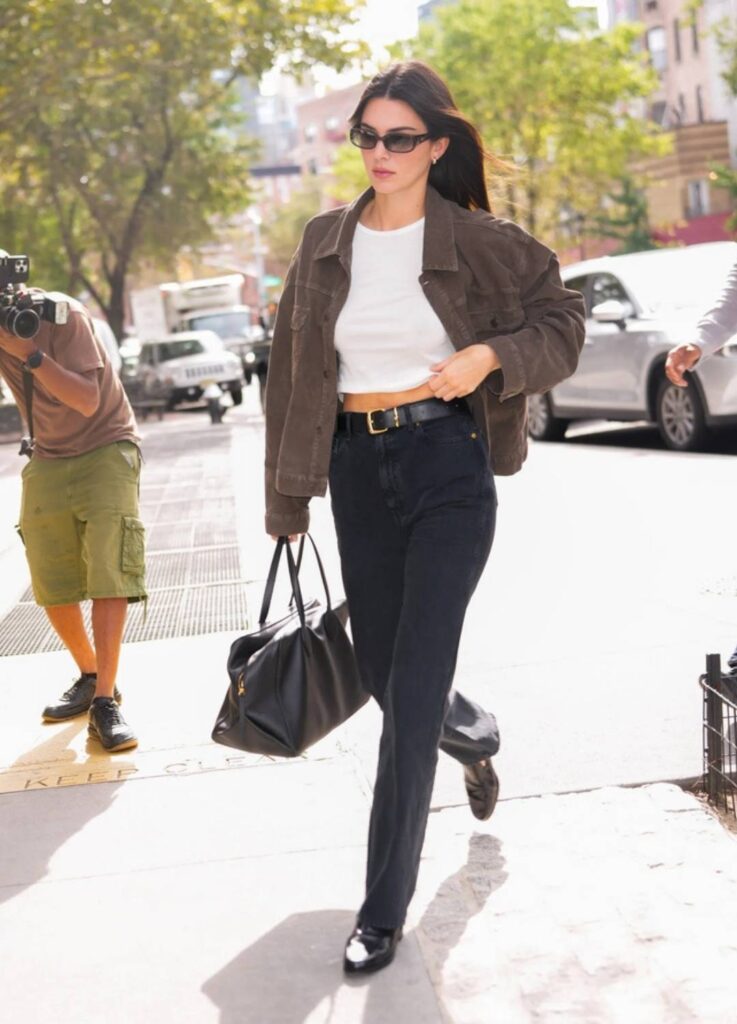
2. Trend Brands vs. Settled Brands: The Difference Is Explanation
Trend brands are easy to explain.
“It’s everywhere.”
“The logo is recognizable.”
“A celebrity wears it.”
Their appeal is socially legible and visually shareable.
Settled brands, by contrast, resist explanation.
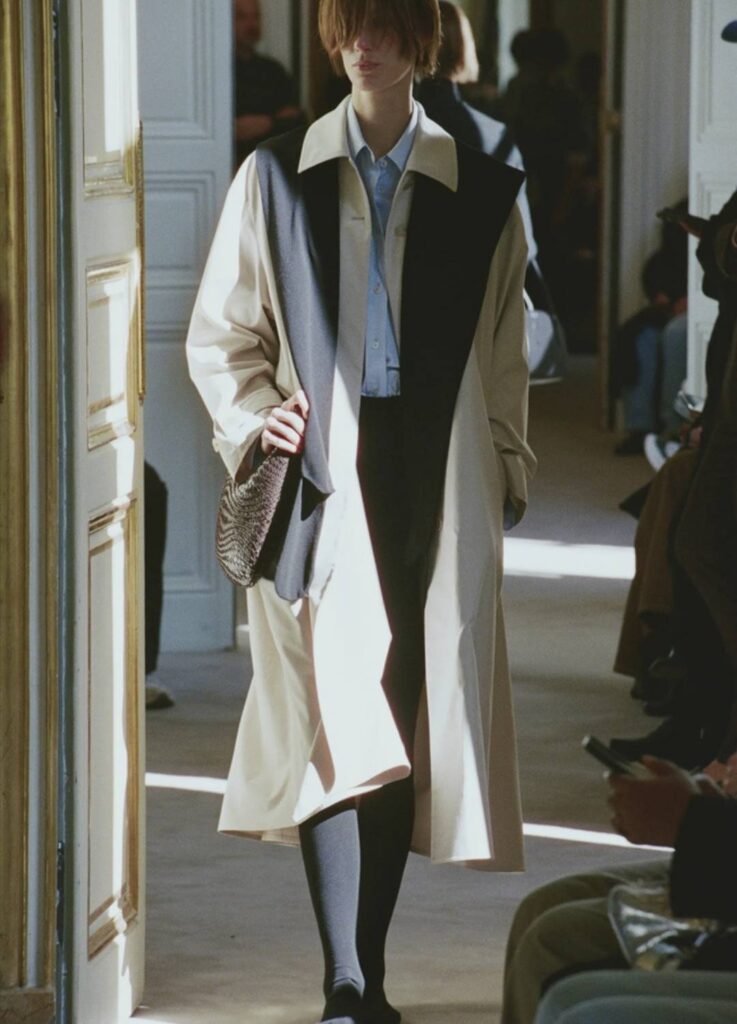
source: Vogue Runway
“You have to wear it to understand.”
“It doesn’t stand out—but it stays.”
“The material feels right.”
Their value is sensory rather than symbolic.
Adoption is slower, but abandonment is rarer.
The Row is already positioned here.
Its appeal is rarely articulated through imagery or status, but through lived rhythm—how the clothes and objects integrate into everyday movement.
This is not accidental. It is strategic.
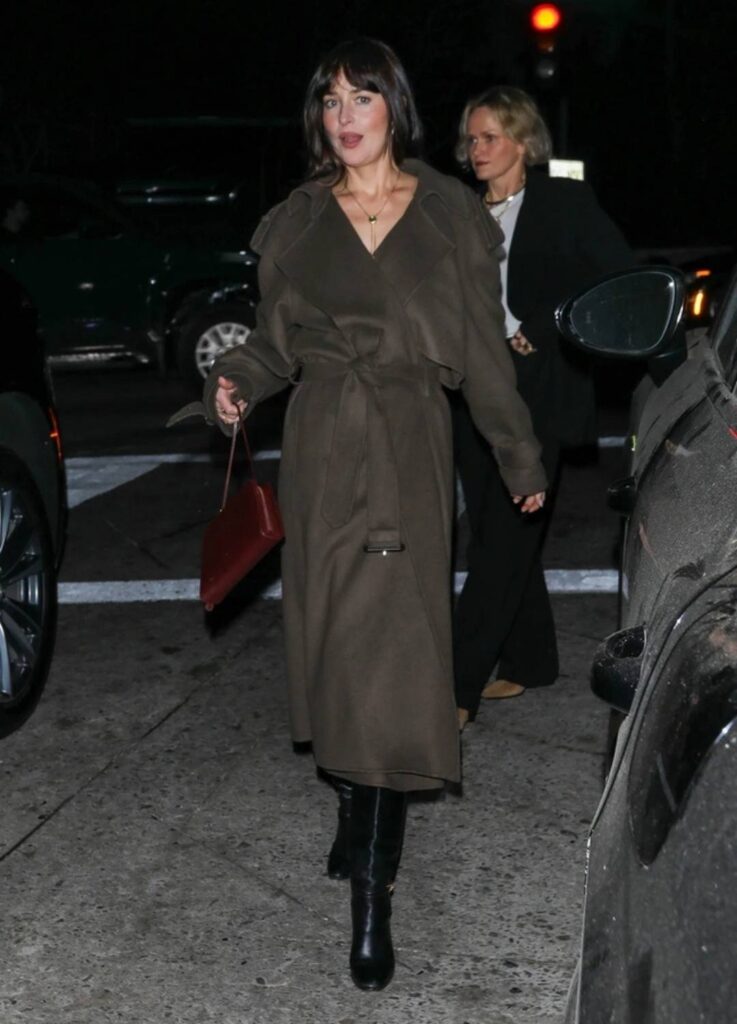
3. The Row’s Most Strategic Strength: Making the Brand Disappear First
The Row is a paradoxical luxury house.
Approached as a conventional high-end brand, it can feel underwhelming: no overt logo, minimal narrative, little immediate visual payoff. Pieces do not announce themselves in photographs.
Yet this restraint becomes its strength over time.
Rather than amplifying the moment of purchase, The Row normalizes repeated use. Its garments and accessories become stronger not at first wear, but at the tenth.
Where many luxury brands emphasize ownership, The Row emphasizes continuity.
In an industry built on spectacle, this is an unusual—and deliberate—position.
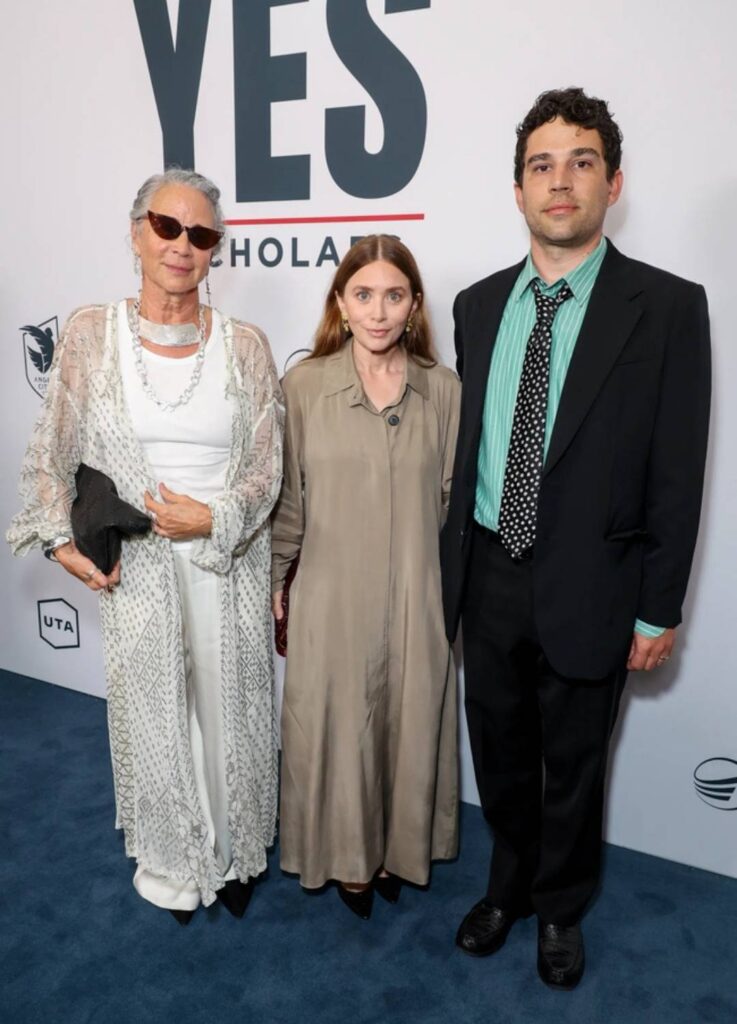
Source: Vogue
4. Why Brands That Settle Often Emerge From Market Fatigue
Luxury cycles through exhaustion.
Periods of logo saturation, performative consumption, and accelerated trend turnover inevitably produce backlash. Historically, each wave of excess has been followed by its inverse: restraint, reduction, longevity.
The Row benefits directly from this environment.
Consumers remain interested in quality, but are increasingly weary of proving it. What gains strength is not what demands visibility, but what allows privacy.
For The Row to lose relevance, this fatigue would need to disappear.
There is little indication that it will.
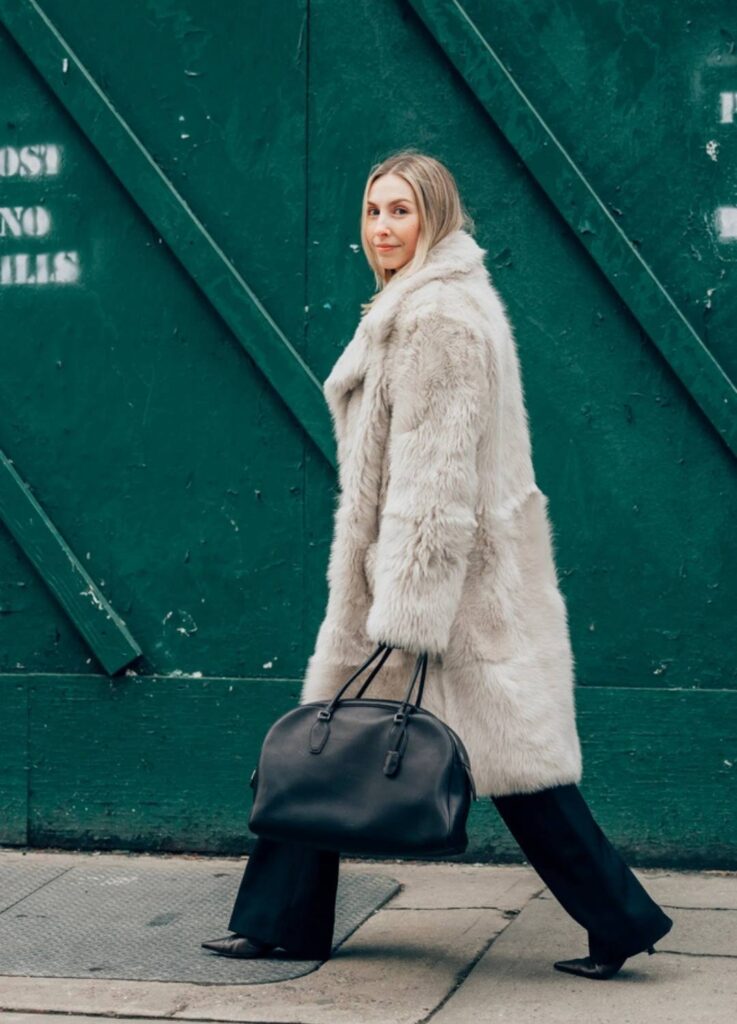
gaining attention moving into 2025.
source: Vogue
5. Settlement Is Not Expansion
However, permanence does not automatically produce scale.
For The Row to transition fully from a taste-driven label to a true luxury house, several structural challenges remain:
Icon management
Signature pieces must exist without overwhelming the brand’s restraint. Controlled availability of key items—such as the Margaux bag—suggests awareness of this risk.
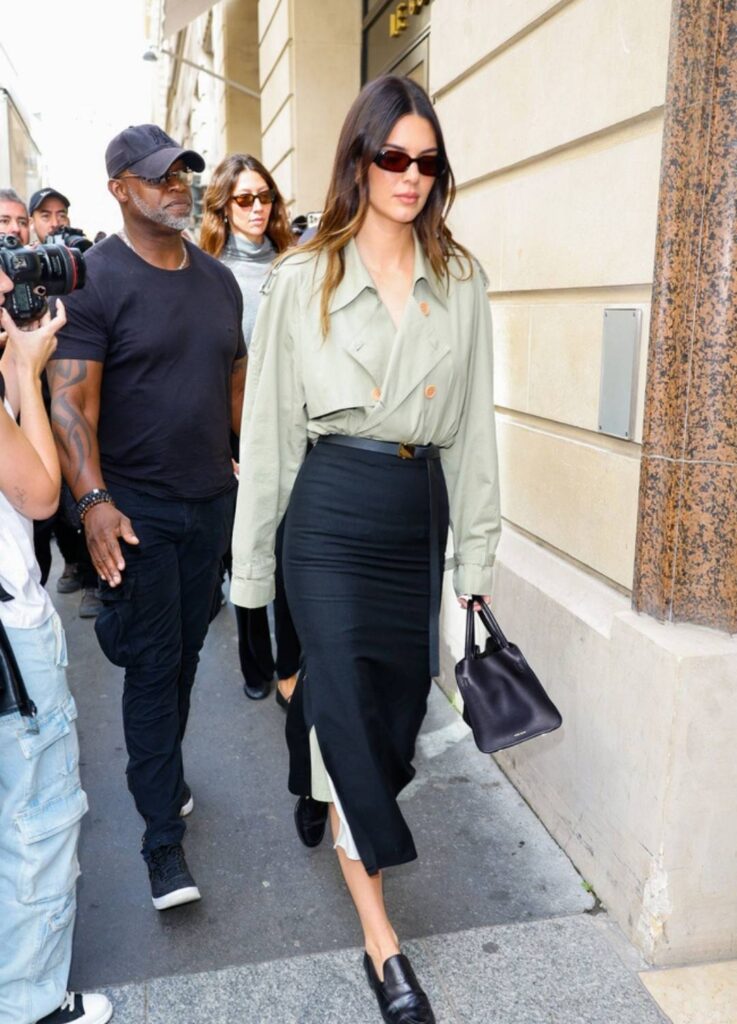
Source: Vogue
Category expansion
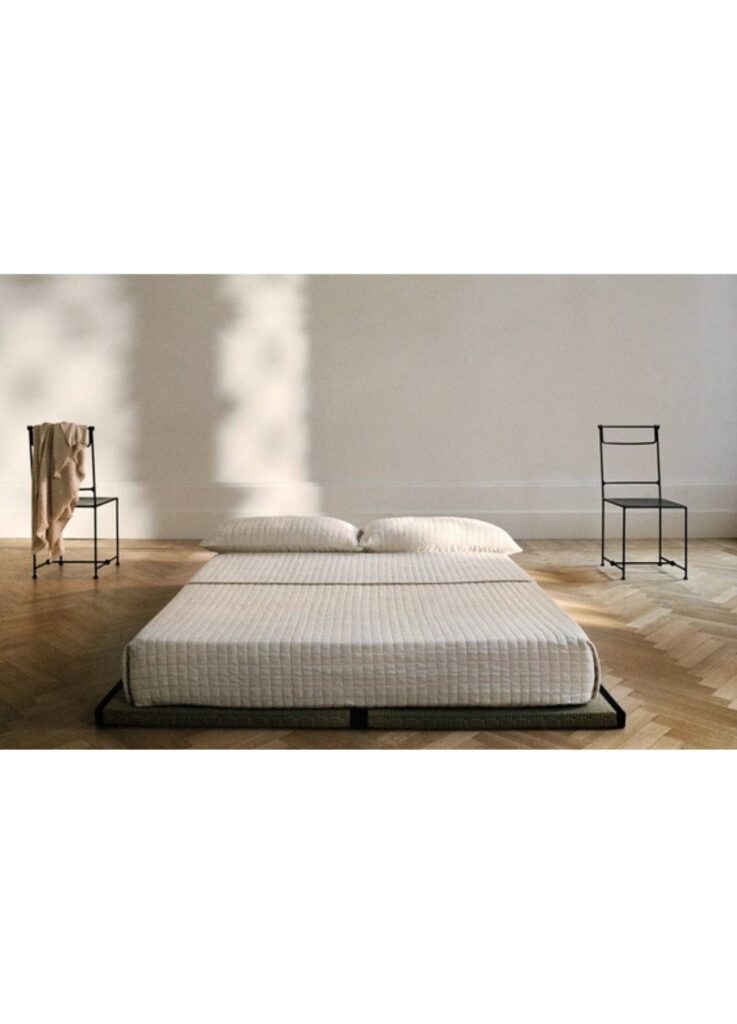
As product lines widen, aesthetic discipline becomes harder to maintain. Expansion into home and lifestyle categories will test whether The Row’s attitude translates beyond clothing.
Retail experience
Quiet brands must communicate through space. As scale increases, physical environments will need to carry the brand’s philosophy with the same precision as the products themselves.
Progress so far suggests deliberate pacing rather than acceleration.
source: Getty Images
7. The Question of Fragility
One critique surfaces repeatedly: the materials feel delicate.
This is not a misunderstanding, but a consequence of choice.
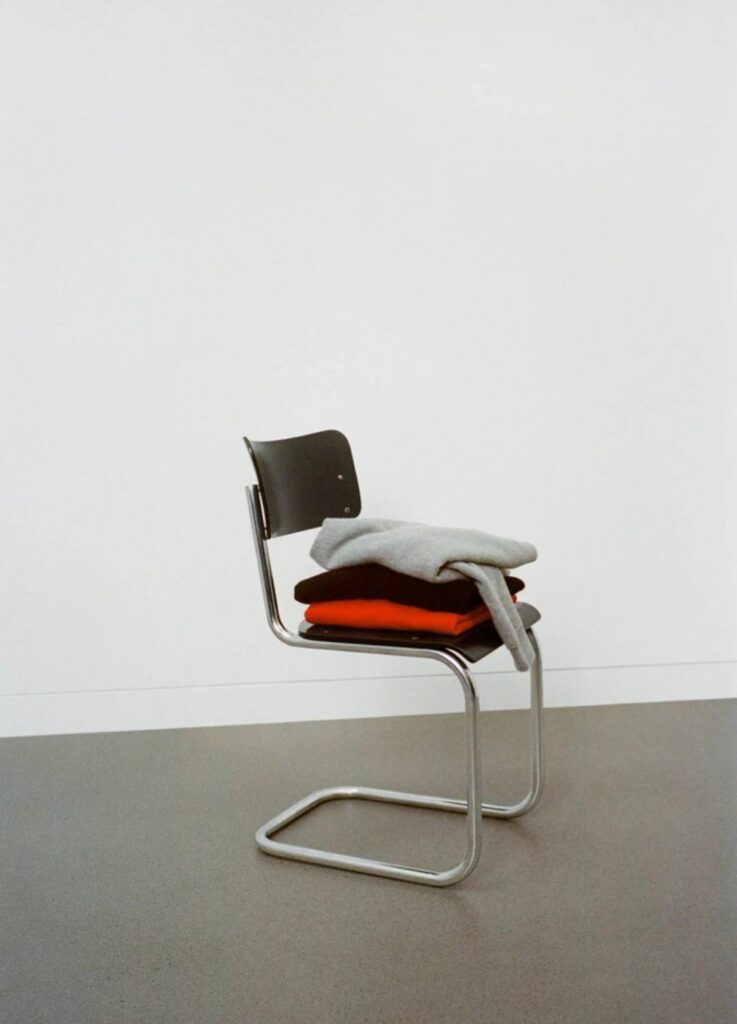
The Row often minimizes structural reinforcement in favor of fluid response to the body. Adhesives, rigid linings, and aggressive stabilization are reduced. The result is material that moves exceptionally—but resists careless use.
This is not wearability failure.
It is an intentional prioritization of sensation over durability.
source: Vogue Runway
8. Fragility as Strategy
The Row does not design for consumption through depletion.
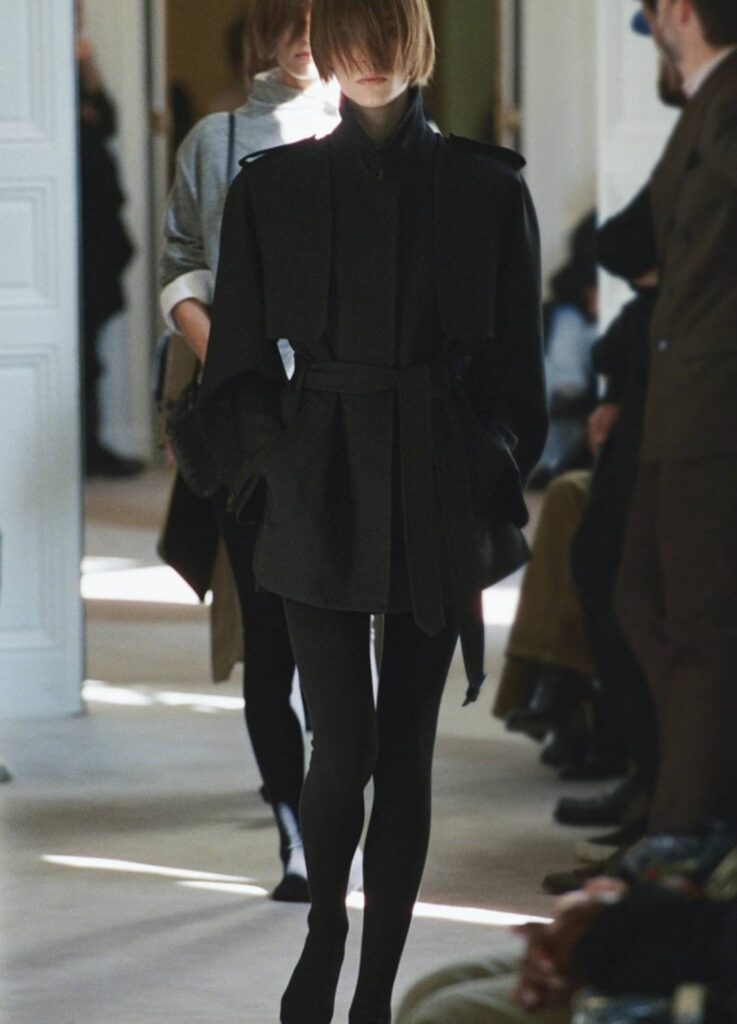
Its ideal usage model assumes care, awareness, and long-term attachment. Wear is meant to register as time—not damage.
For some consumers, this is limitation.
For others, it is precisely the appeal.
This characteristic may prevent mass adoption, but it preserves identity.
source: Vogue Runway
Conclusion: Trend or Permanence?
The Row is unlikely to become universally beloved.
But it is positioned to be repeatedly chosen.
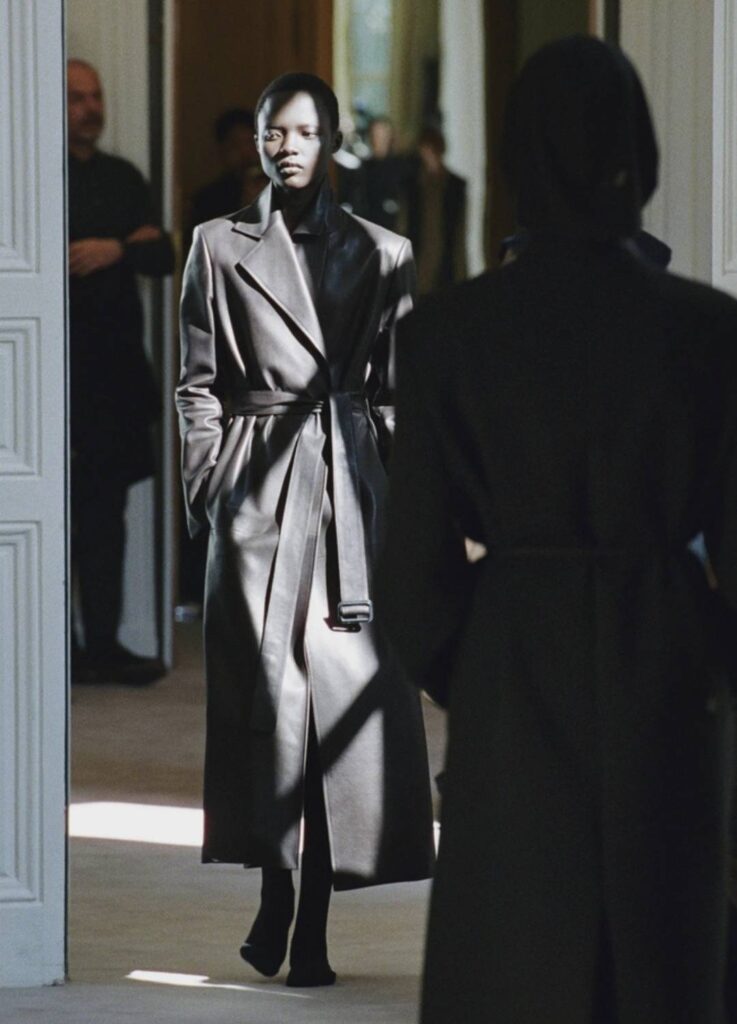
Its strength does not lie in visibility, but in endurance.
Not in novelty, but in the way it reshapes daily habits.
The more accurate question, then, is not whether The Row’s popularity will last—but whether it represents a different definition of luxury altogether.
If so, it is no longer a trend.
It is a trajectory.
source: Vogue Runway
[ Related Editorials ]