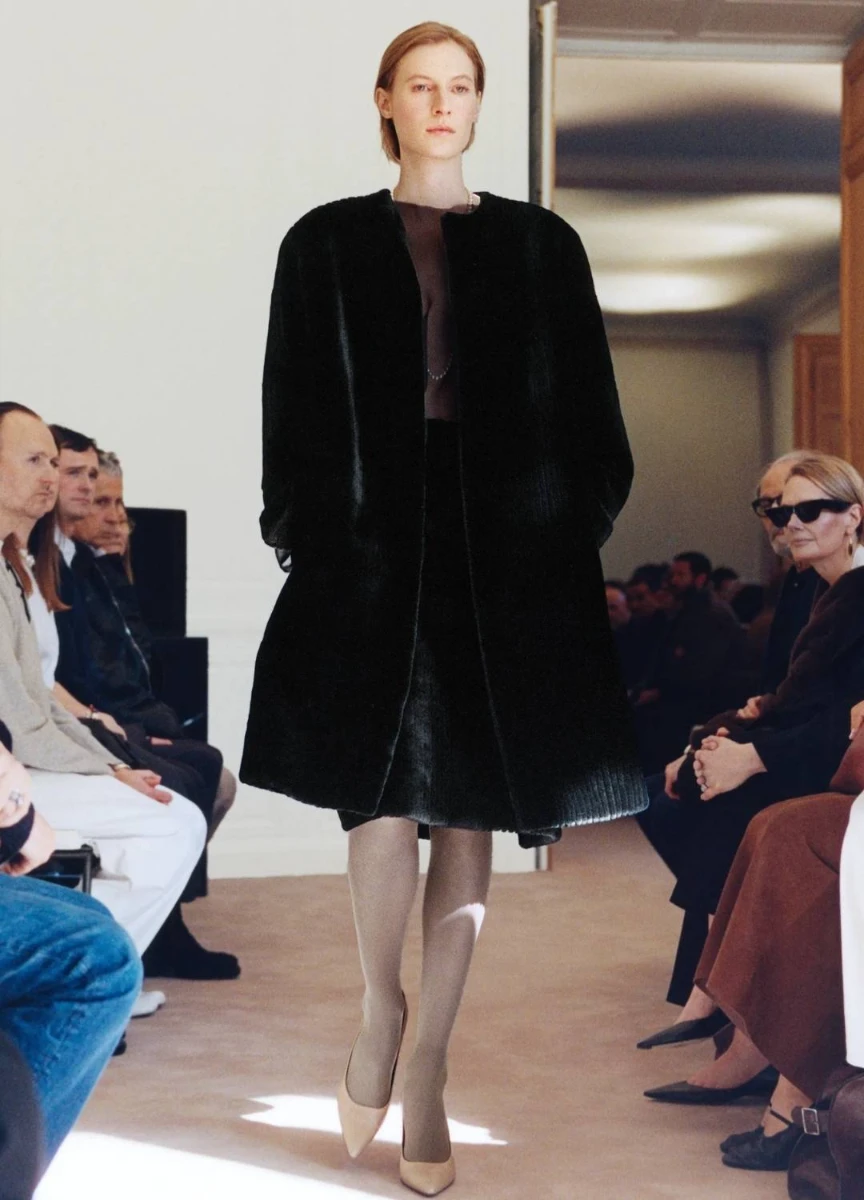
A study of how houses move from popularity to permanence, and where The Row stands in that arc
source: Vogue
The question circulates frequently in current luxury conversation: is The Row’s popularity sustainable, or just another moment of fashion fatigue dressed up as restraint?
The question appears to be about one brand, but it isn’t. It’s really about how luxury is being asked to function now.
The Row is unlikely to become universally popular. But for the people who integrate it into daily life, it tends to remain. The distinction between popularity and permanence is the actual subject. Trend brands spread quickly and disappear just as fast. Settled brands move slowly, but once embedded, they’re difficult to replace.
It helps to revisit how high-end brands have historically moved past trend and into permanence.
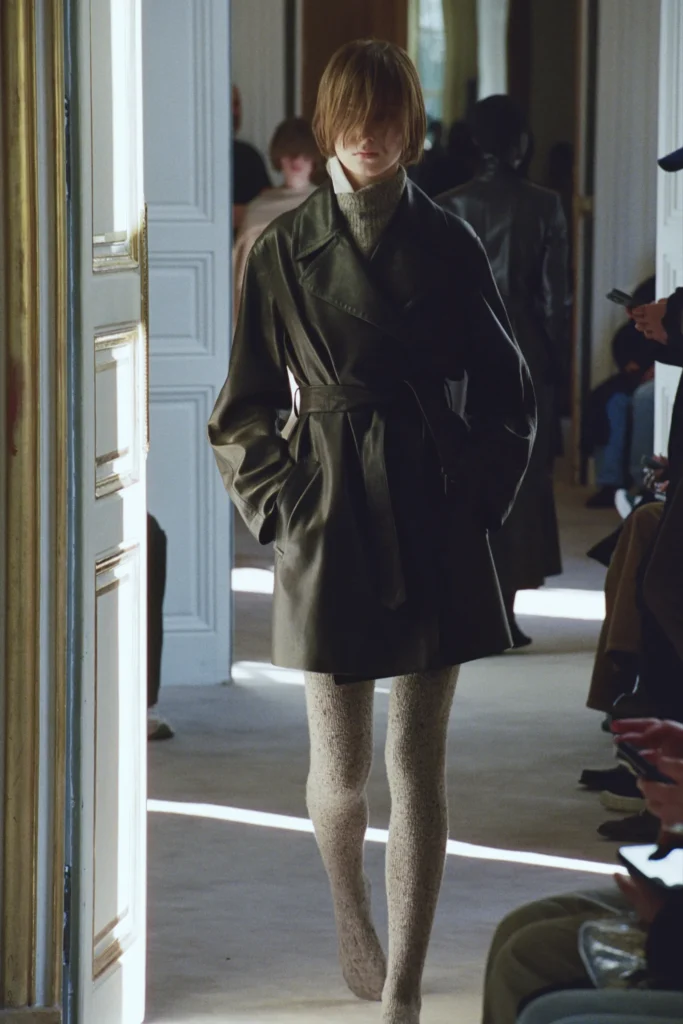
source: Vogue Runway
No High-End Brand Becomes a Classic All at Once
What we now call classic luxury was rarely perceived as such at its inception.
Many established houses were once seen as difficult, under-expressive, or even impractical. Their authority wasn’t built through immediate admiration. It was built through sustained alignment between attitude, product, and time.
Hermès didn’t establish trust through bags. It established trust through a craftsman’s discipline that preceded fashion relevance. Chanel earned permanence by dismantling the conventions of women’s dress rather than embellishing them. Céline, under Phoebe Philo, structured an entire generation’s taste through restraint and repetition.
In each case, the product followed the attitude — not the reverse.
Brands that endure rarely rely on hit items. They establish a consistent aesthetic axis, reproduce it across categories, allow consumers to experience it repeatedly, and eventually become part of personal standards rather than seasonal desire. The mechanism is closer to gradual incorporation into self-definition than to popularity.
The Row already operates inside this logic.
Source: Vogue
Trend Brands vs. Settled Brands — The Difference Is Explanation
Trend brands are easy to explain.
It’s everywhere. The logo is recognizable. A celebrity wears it. Three sentences and the case is complete. The appeal is socially legible, visually shareable, and rapidly transmissible through image.
Settled brands resist explanation.
You have to wear it to understand. It doesn’t stand out, but it stays. The material feels right. The value is sensory rather than symbolic. Adoption is slower; abandonment is rarer. The conversion from interest to permanence happens privately, not publicly.
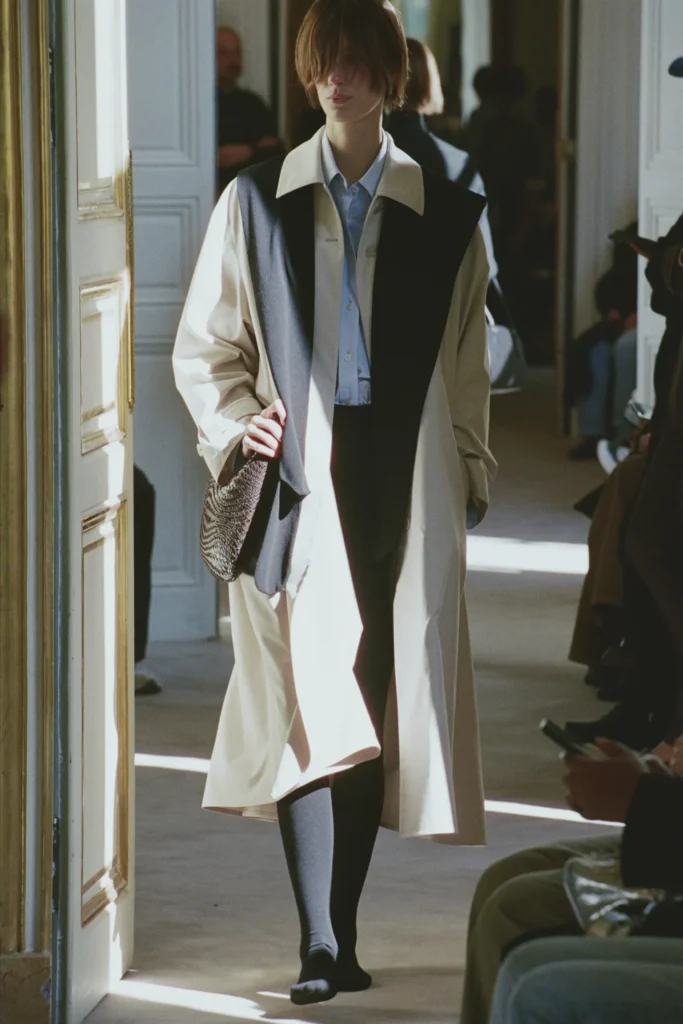
The Row already sits here. Its appeal is rarely articulated through imagery or status — it’s articulated through lived rhythm, through how the clothes and objects integrate into everyday movement.
I find myself in that pattern too. When The Row comes to mind, what surfaces is leather texture catching light, cashmere softness, neutral palette, calculated tailoring, the way a shoe wraps the foot when worn. None of it is image-first. All of it is contact-first. That is the language of settlement, not the language of trend.
source: Vogue Runway
The Row’s Most Strategic Strength — Making the Brand Disappear First
The Row is a paradoxical luxury house.
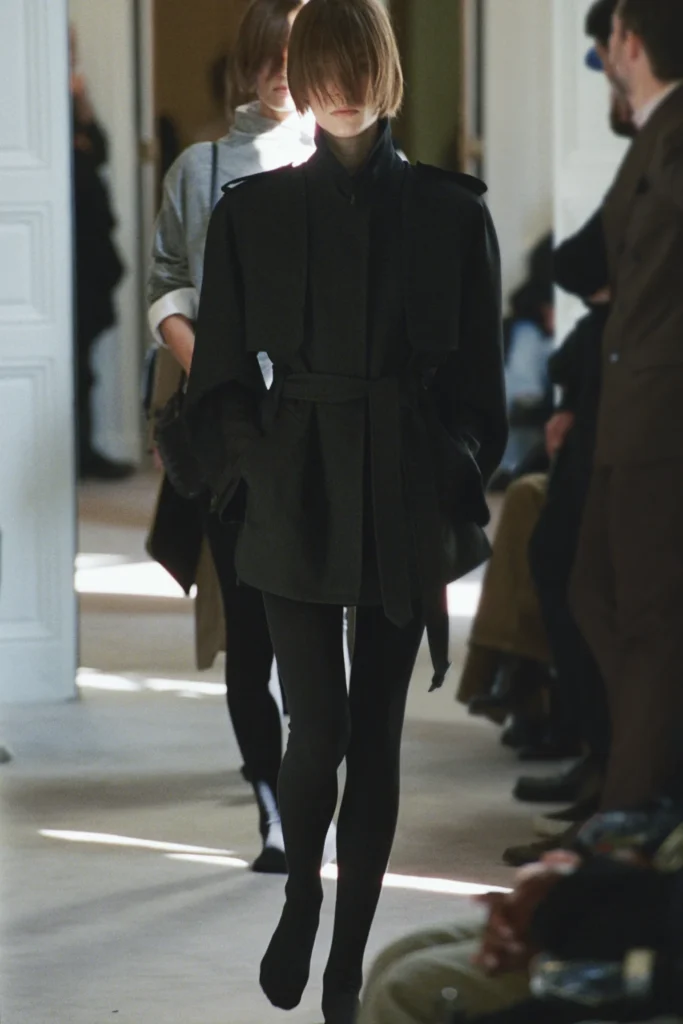
Approached as a conventional high-end brand, it can feel underwhelming on first encounter. No overt logo. Minimal narrative. Little immediate visual payoff. Pieces don’t announce themselves in photographs.
The restraint becomes the strength over time.
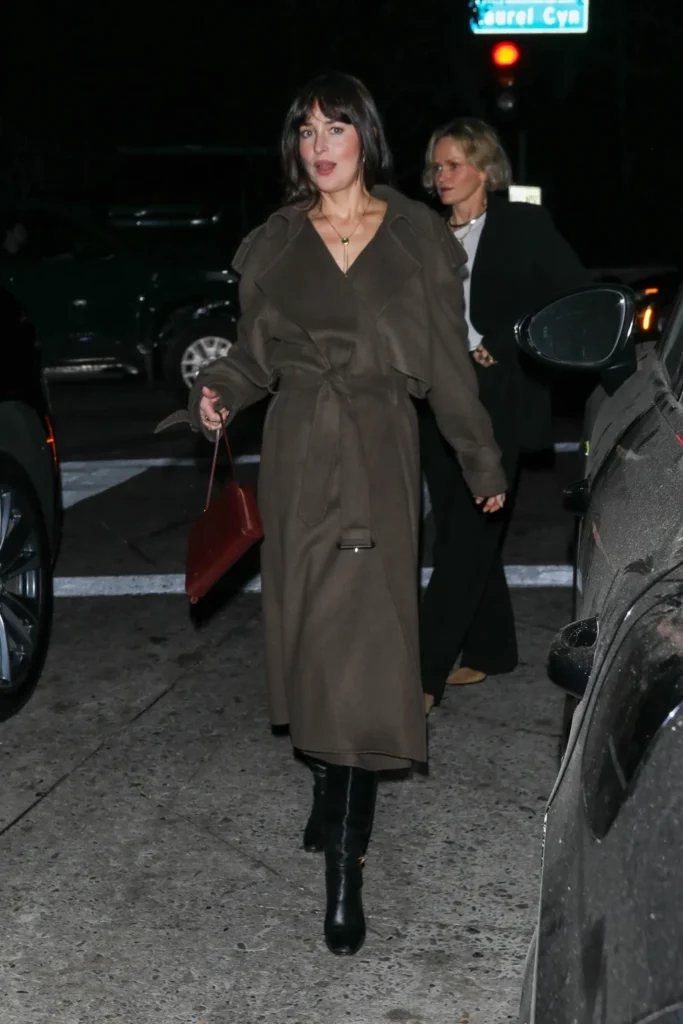
Rather than amplifying the moment of purchase, The Row normalizes repeated use. The garments and accessories become stronger not at first wear, but at the tenth. Most luxury brands maximize the moment of ownership. The Row accumulates the moment of use. Ownership-driven brands explode through social media. Use-driven brands settle through time.
The position is unusual in an industry built on spectacle. It’s also deliberate.
Source: Vogue
Why Settled Brands Emerge From Market Fatigue
Luxury cycles through exhaustion.
Periods of logo saturation, performative consumption, and accelerated trend turnover inevitably produce backlash. Each wave of excess has historically been followed by its inverse — restraint, reduction, longevity. After ornament, line. After display, ownership held privately. When being seen exhausts itself, living with the thing becomes the answer.
The Row benefits directly from this environment. Consumers remain interested in quality but are increasingly tired of having to prove it. What gains strength now is what permits privacy rather than what demands visibility.
For The Row to lose relevance, this fatigue would need to disappear. There’s little indication that it will. The fatigue is deepening, not subsiding.
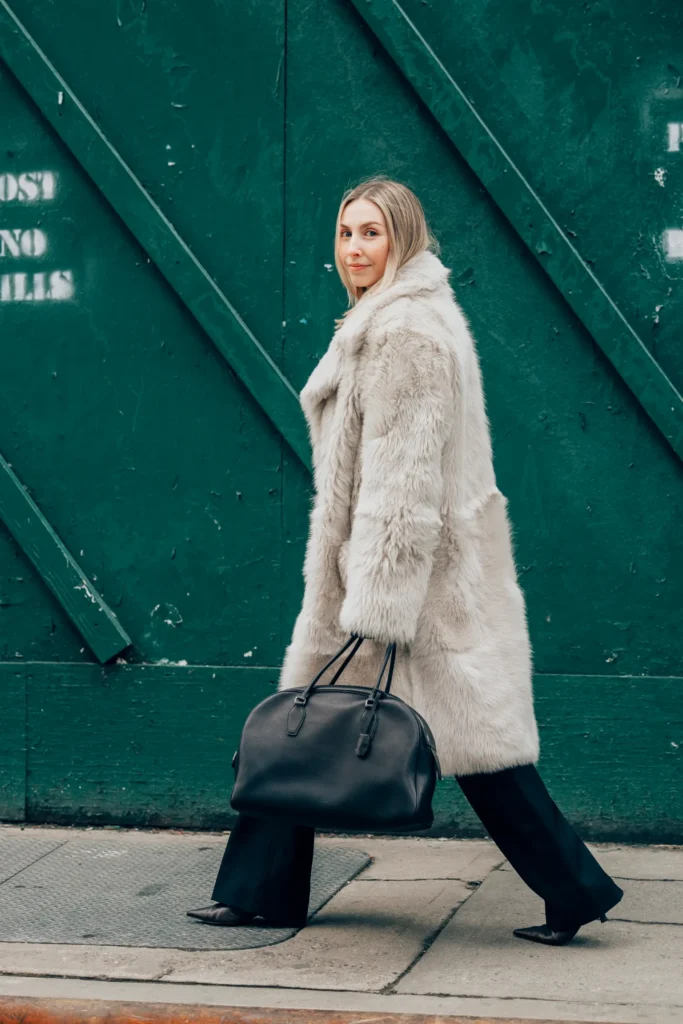
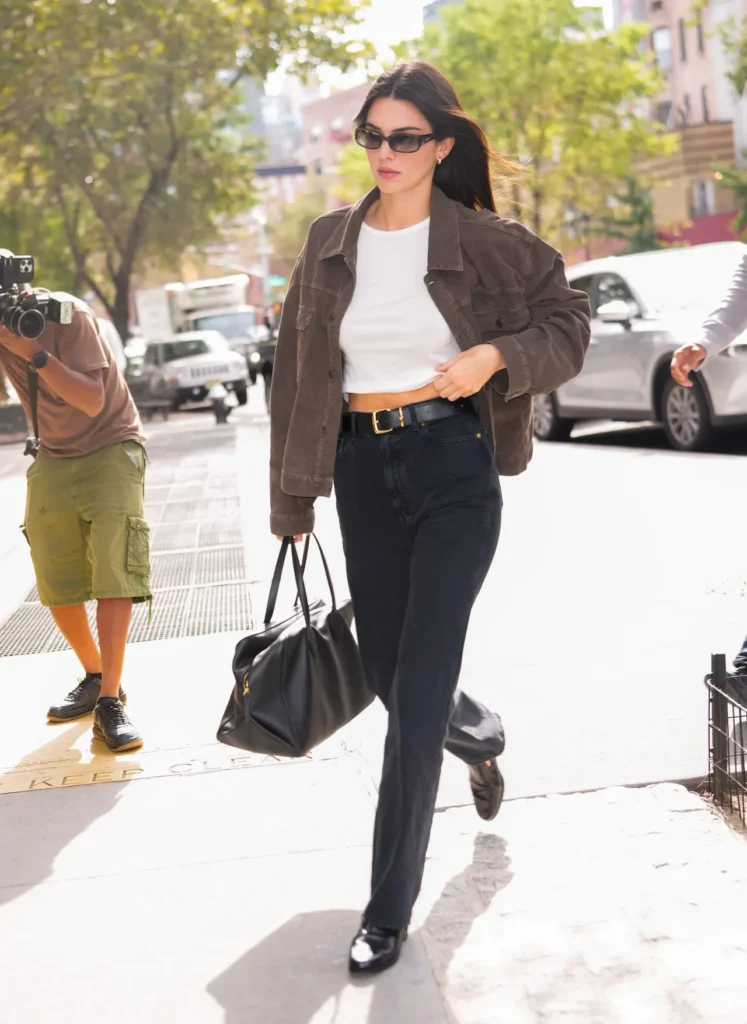
gaining attention moving into 2025
source: Vogue
Settlement Isn’t the Same as Expansion
Permanence does not automatically produce scale.
A full transition from taste-driven label to luxury house requires solving several structural challenges.
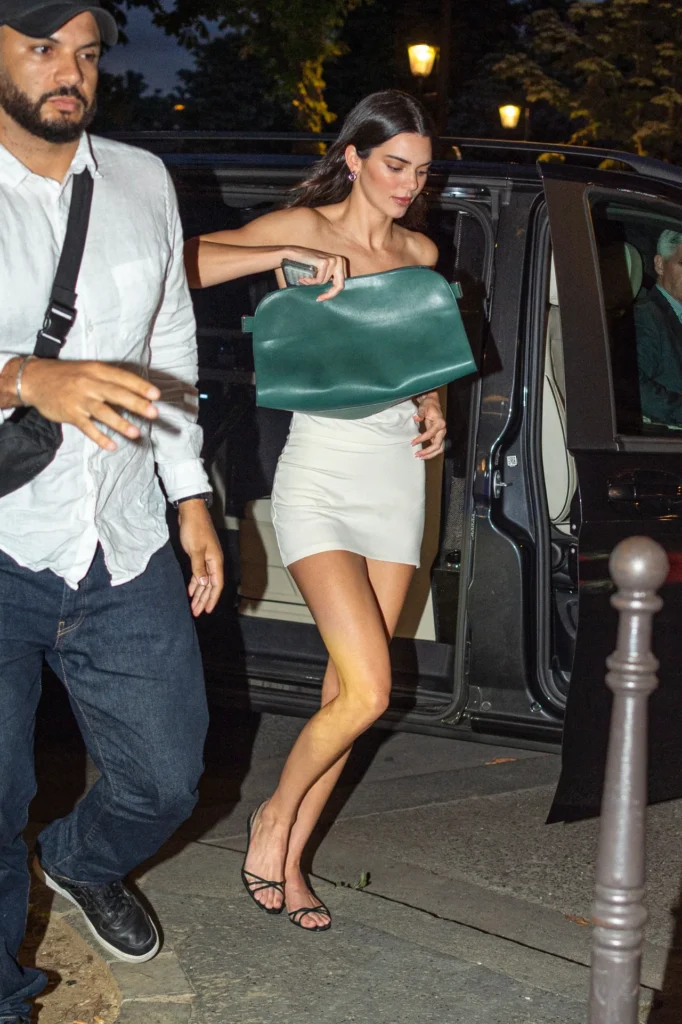
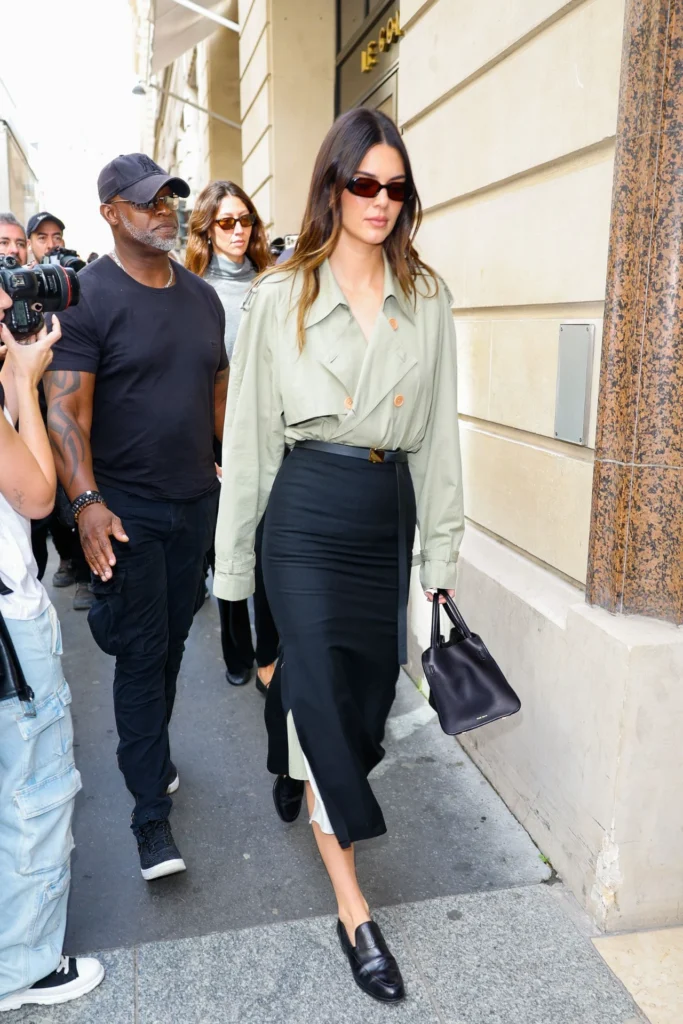
Icon management. Settled brands eventually acquire symbols. The risk arrives the moment a symbol grows too large — the brand can drift into the world it set out to avoid. The Margaux became an it bag in 2024 through Jenny and Kendall Jenner exposure, and the controlled availability that has followed reads as deliberate awareness of that risk. The brand is managing the icon, not riding it.
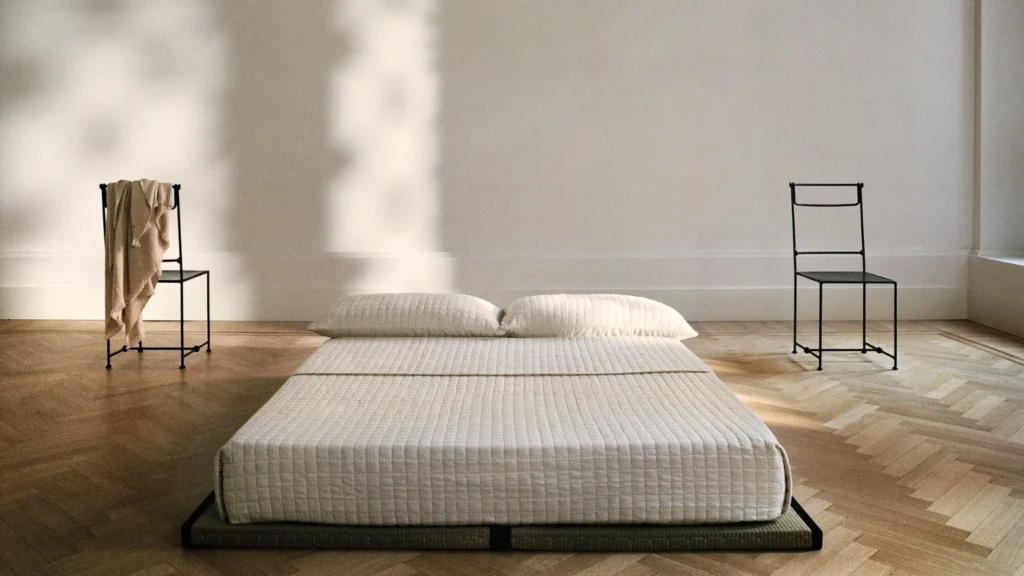
Category expansion. As product lines widen, aesthetic discipline becomes harder to maintain. The Row’s recent move into the home category will test whether the attitude translates beyond clothing — whether the same restraint can hold across furniture, objects, and interior. The trust isn’t the bag is beautiful. The trust is whatever category arrives, the attitude survives.
Retail experience. A quiet brand has to speak through space. As scale grows, the precision of physical environment becomes the primary carrier of philosophy. A consumer trusts a high-end house through space first and product second. The Row’s retail expansion will be where that test is most visible.
The pacing so far suggests deliberation rather than acceleration.
Source: Vogue
Why The Row Is Read as More Beautiful Than Hermès or Chanel Now
The Row looks better than Hermès or Chanel right now.
The phrase isn’t really about hierarchy. It’s about a question shifting underneath luxury itself.
Hermès remains complete. Structure, leather, craft, system — none of it has weakened. But completeness can sometimes read as answer. People occasionally want breath rather than answer. The Row provides the breath. The brand doesn’t step forward in front of the wearer. The wearer steps forward, and the brand organizes behind her. The bag doesn’t prove her. It clears space for her.
The Row reads more beautifully in actual wear than in photographs, and stronger inside the context of life than as a single object. That’s the language of settlement, not the language of trend.
Chanel, for a long stretch, was the language of logo. Under the new direction of Matthieu Blazy, the work has begun to share territory with the same conditions The Row has been working with — smaller logos, cleaner lines, restraint in places where assertion used to live. The convergence is worth watching.
source: Getty Images
On the Question of Fragility
A consistent critique among people who actually wear The Row: the clothes are beautiful, but they need careful handling.
This is not simply a complaint. It’s an accurate read of a structural tendency in how the brand designs.
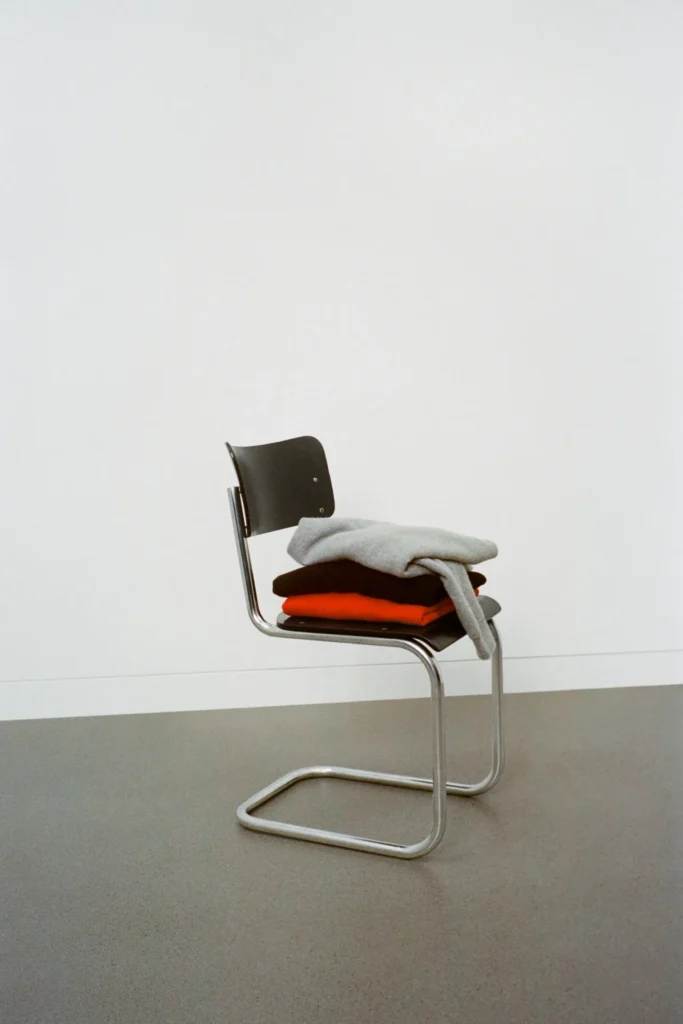
The Row’s garments tend to minimize structural reinforcement — interfacing, heavy linings, stabilizing internal architecture. The trade is direct. The fabric responds to the body and moves exceptionally during wear, but its tolerance for friction, pulling, and repeated rough use is lower than typical luxury construction.
The fabric isn’t built to hold form against the body. It’s built to follow the body’s movement.
A second factor compounds the perception. The Row’s pieces look quietly daily on the surface, which can produce an unconscious assumption that they can be worn carelessly. In actual material, the line uses cashmere, silk blends, ultra-high-density wool — fabrics with high handling difficulty. The garments look daily. The care they require isn’t daily. That gap is where they feel more delicate than expected enters consumer experience.
The Row isn’t designed for consumption through depletion. The implicit usage model is different — frequent wear, but considered; careful handling; wear traces that register as time rather than damage.
source: Vogue Runway
Fragility as Strategy — Choice, Not Defect
The relevant question is whether this characteristic is a defect or a deliberate choice.
Across years of wearing the line — clothing, bags, shoes, accessories — the answer reads clearly as the latter. The Row gives up a measure of durability in exchange for sensation in wear, fluidity of silhouette, and negative space around the body.
The choice runs in the opposite direction from the Hermès model. Hermès prizes material that retains form across time. The Row prizes material that accumulates sensation across time. Both are valid high-end answers. They’re answering different questions.
The result is that for one wearer, The Row reads as beautiful but careful. For another, it reads as the clothes I keep returning to. The split isn’t about quality. It’s about consumption temperament.
This isn’t a question of high quality versus low. It’s a question of consumption temperament matching the brand.
source: Vogue Runway
Lumie’s Read — The Row Isn’t a Brand for Everyone
The Row isn’t a brand to recommend universally.
Wearers who like to throw clothes on without thought, who find maintenance stress unpleasant, who need a piece to survive several seasons of hard use — The Row will register to that wearer as inconvenient.
Wearers sensitive to texture and movement, who read changes in a garment’s state as part of the emotional register, who prioritize the density of the wearing moment over abstract durability — The Row becomes irreplaceable. The shift isn’t quality. It’s match. The brand’s center holds best for wearers whose own consumption tendency is attachment, slow accumulation, careful return.
The fragility characteristic does interesting work for the brand strategically. It functions as a soft filter — preventing The Row from exploding into a mass-market label. Not everyone can comfortably consume the brand, which is precisely how The Row preserves the density of its taste base.
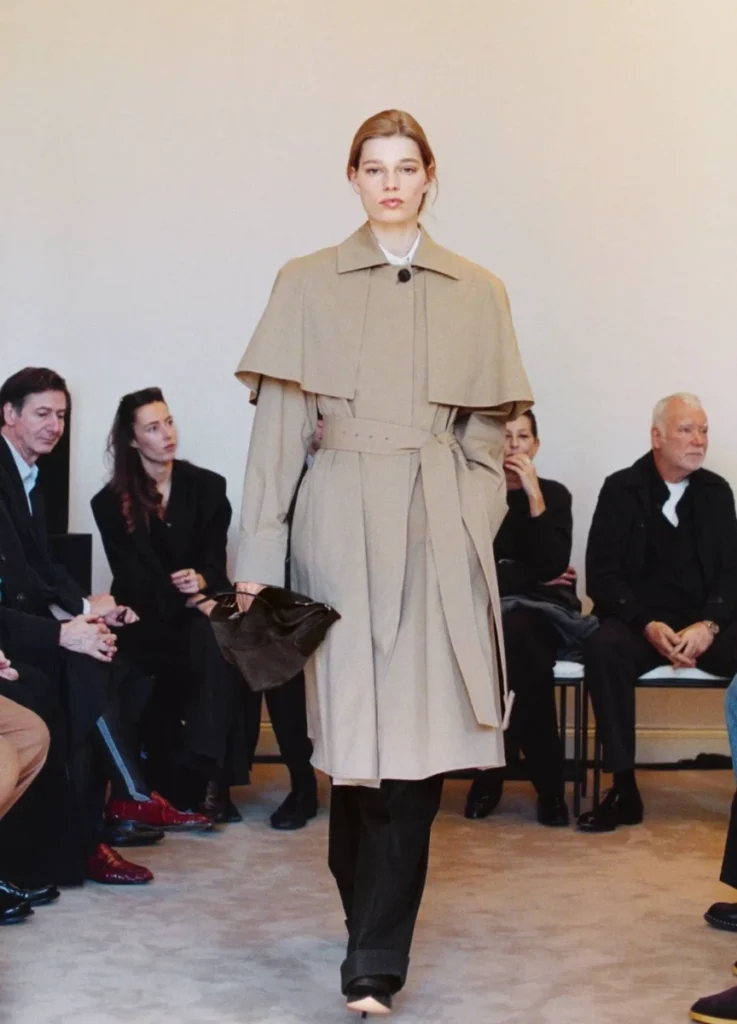
source: Vogue Runway
Will the Fragility Issue Threaten the Future?
The characteristic is unlikely to break the brand’s trajectory. It is more likely to function as a structural protection.
The trajectory does have conditions for the next phase. The Row will need to refine its messaging — moving from the clothes you have to be careful with to the clothes you wear knowingly. Fabric refinement should hold, but durability confidence at the bag and outerwear level — the categories where wear is most public and most physical — will need to strengthen. Word-of-mouth around long-term wear, not just first impressions, will become decisive.
Held in that balance, The Row stops reading as the fragile brand and starts reading as the conscious brand. The fabric criticism reframes from defect to outcome — the visible result of a high-end choice that placed sensation at the top of its priority order.
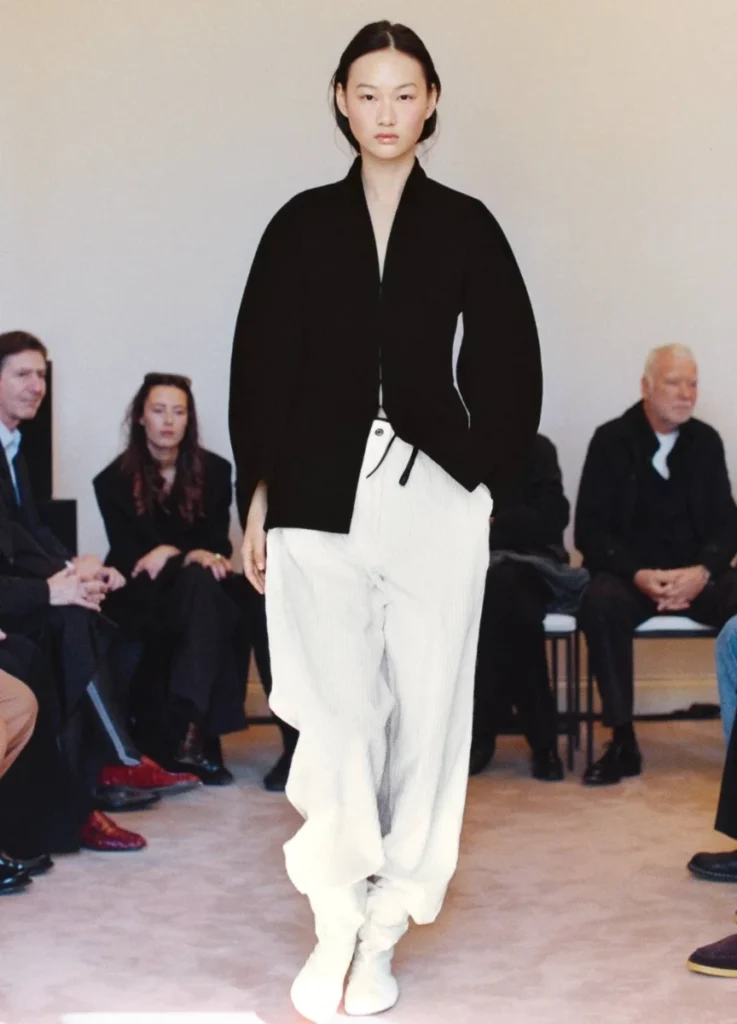
source: Vogue Runway
Trend or Permanence?
The Row is unlikely to become universally beloved. It is positioned to be repeatedly chosen.
Its strength sits in endurance rather than visibility, and in the way it reshapes daily habits rather than in novelty. The more accurate question — the one worth holding — isn’t whether The Row’s popularity will last. It’s whether The Row represents a different definition of luxury altogether.
If so, this isn’t trend. It’s trajectory.
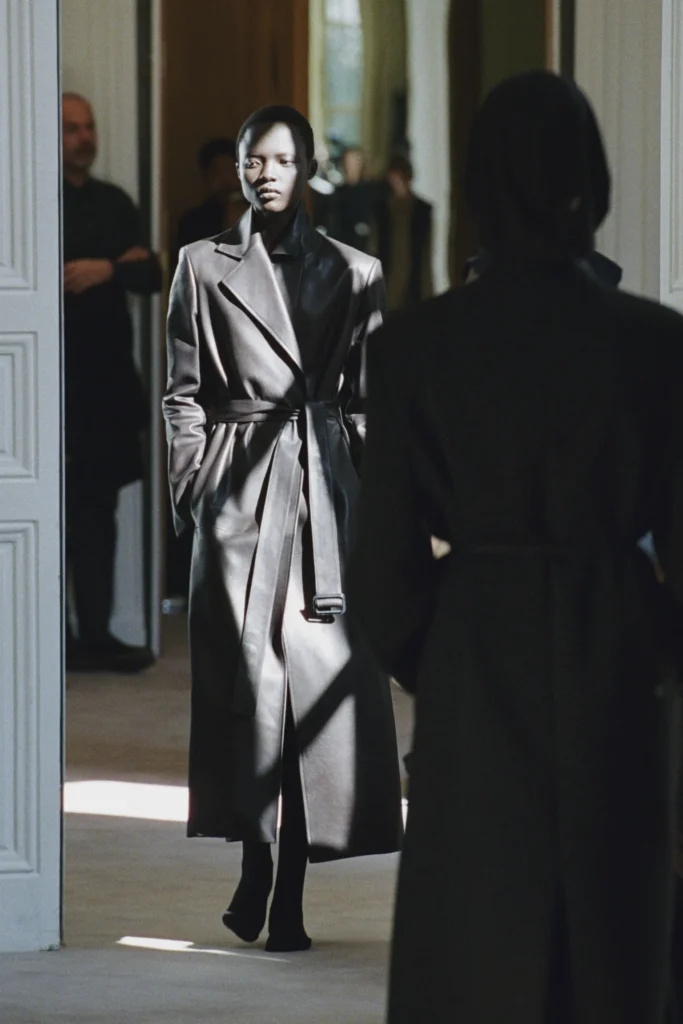
source: Vogue Runway
[ Related Editorials ]