Inside Chanel 26P Collection
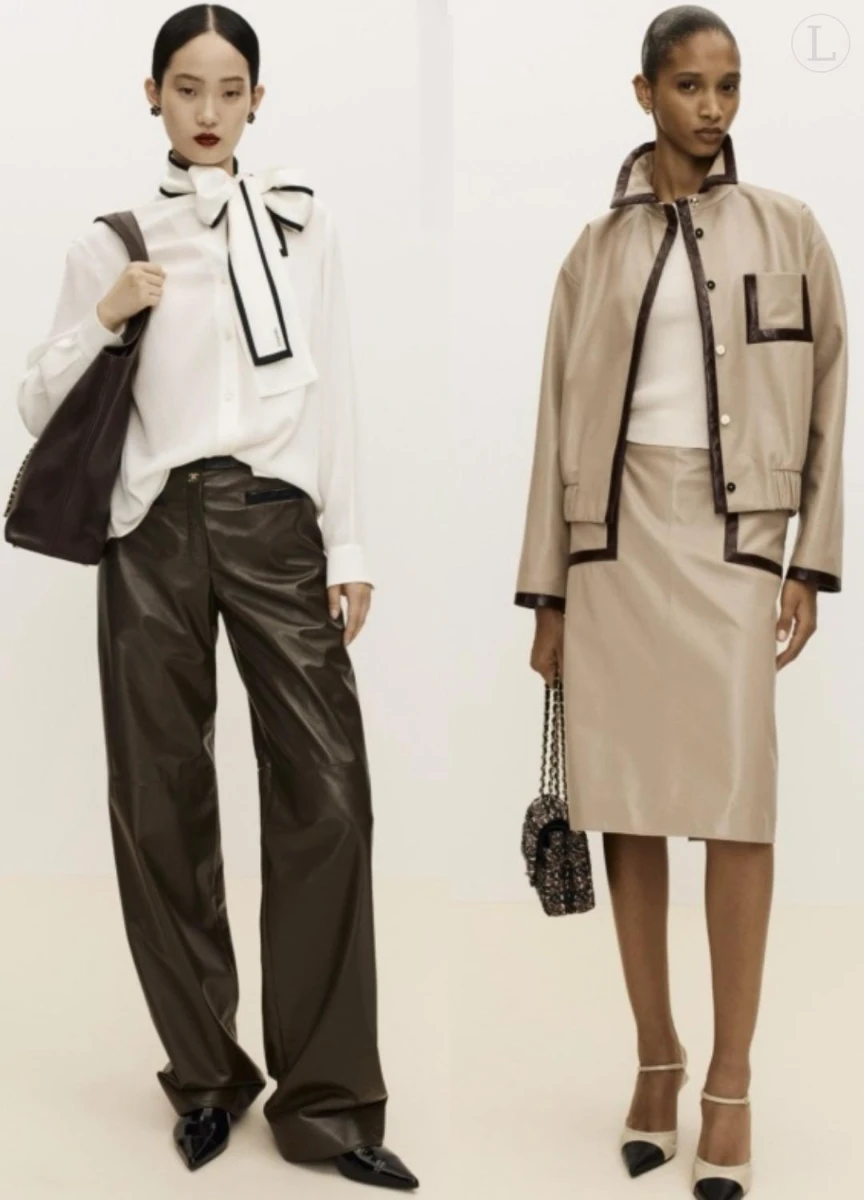
The Chanel 26P pre-collection landed in boutiques in mid-January 2026, the first commercial Chanel delivery to follow Matthieu Blazy’s Métiers d’Art at the Bowery in December. The collection reads as a partial Blazy delivery, with the Chanel studio carrying much of the translation into commercial, boutique-aligned form.
Where the season succeeds, it does so cleanly. The silhouette logic from the Bowery runway has been preserved — controlled shoulders, suggested waists, midi-leaning skirts. Wearability is up. So is breadth.
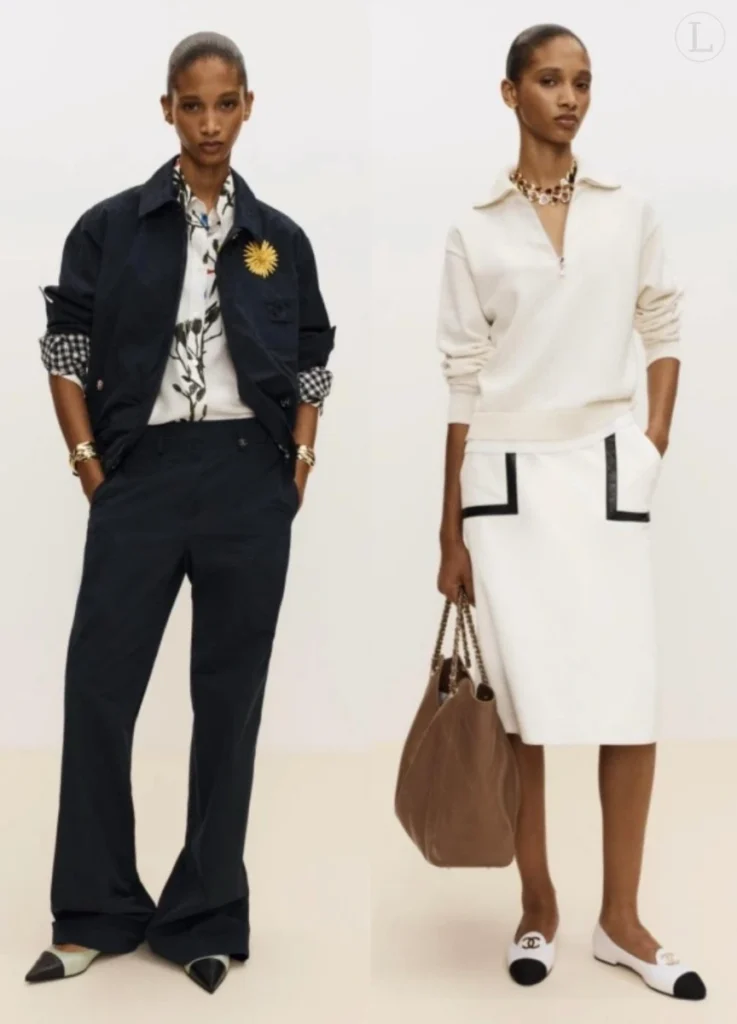
What feels noticeably quieter is the tactile density that has traditionally underwritten Chanel’s price point — the Lesage tweed’s hand, the irregularity of weave, the sense of time embedded in the cloth. The 26P delivery is undeniably attractive. The question this season invites is whether its material presence fully justifies the price tag.
The Defining Logic │ Restraint Without Subtraction
Restraint defines the collection. It is a careful refinement of the existing Chanel grammar, with the volume turned down.
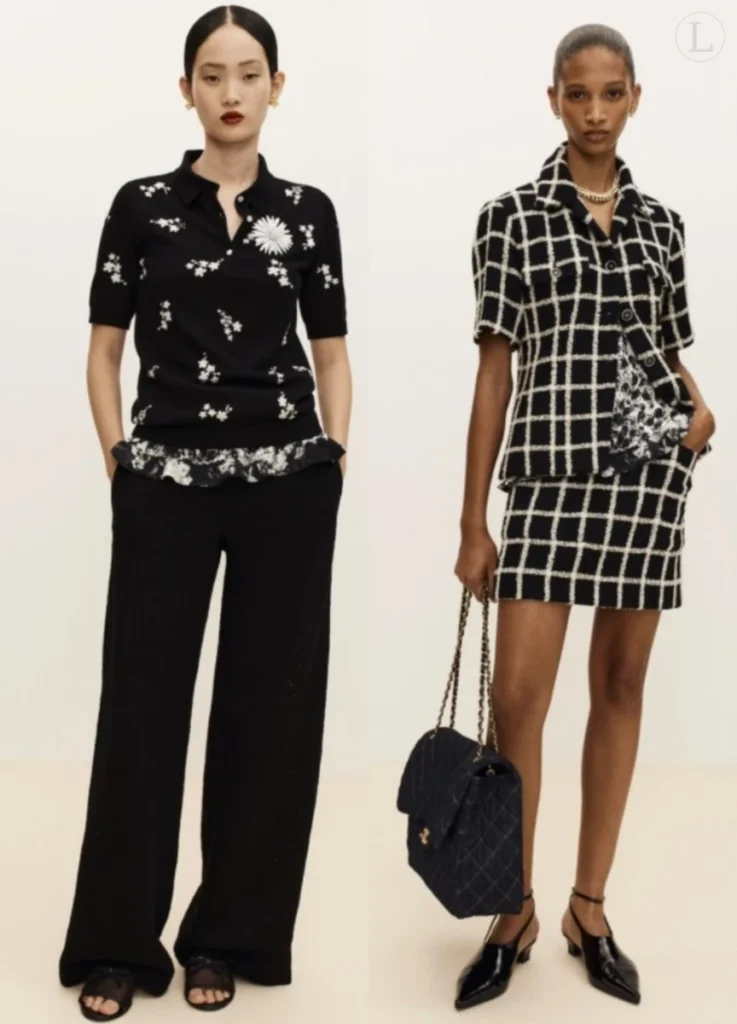
The pieces move through tweed jackets refined without aggressive volume, knit sets and cardigans designed for immediate daily wear, skirt lengths built around movement, and footwear that sits low and grounded.
There is no obvious experimentation, but nearly every look reads as anchored in everyday wardrobing. The pieces feel like ones a Chanel client would reach for instinctively, without deliberating over them.
The pastel softness traditionally associated with P-season Chanel has been edited down significantly — another signal of intentional restraint.
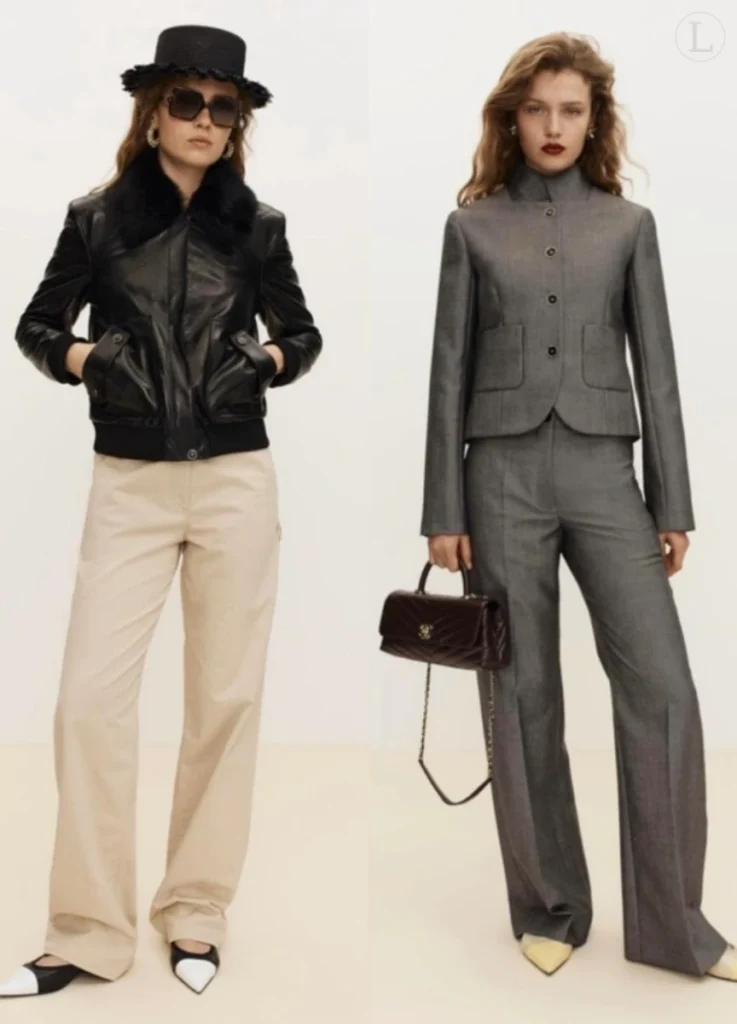
Function as Outcome
If this level of practicality is widely available elsewhere, the question becomes obvious — why pay Chanel money for it?
What separates Chanel here is the way the function presents itself. Chanel’s tweed performs structural work; it shapes a silhouette as much as it covers it. The cardigans organise proportional layering. The result is a wardrobe that prioritises composition over comfort.
Where the Collection Holds
Several aspects of 26P convince immediately.
The silhouette holds without waist emphasis. The clothes adjust posture and presence without trying to reshape the figure underneath.
The colour palette is disciplined — ivory, beige, black, and softened pastels dominate, chosen for longevity over immediate recall.
The detailing is contained. Brooches, chains, and buttons function as visual anchors; the eye stays inside each look without scattering.
Body Compatibility │ Stability over Transformation
The collection works through straight, non-constricting lines. Shoulders are refined without exaggeration. Lengths centre around the knee through mid-calf. Materials favour shape retention over fluid drape.
These clothes are designed to stabilise the body, not to reshape it.
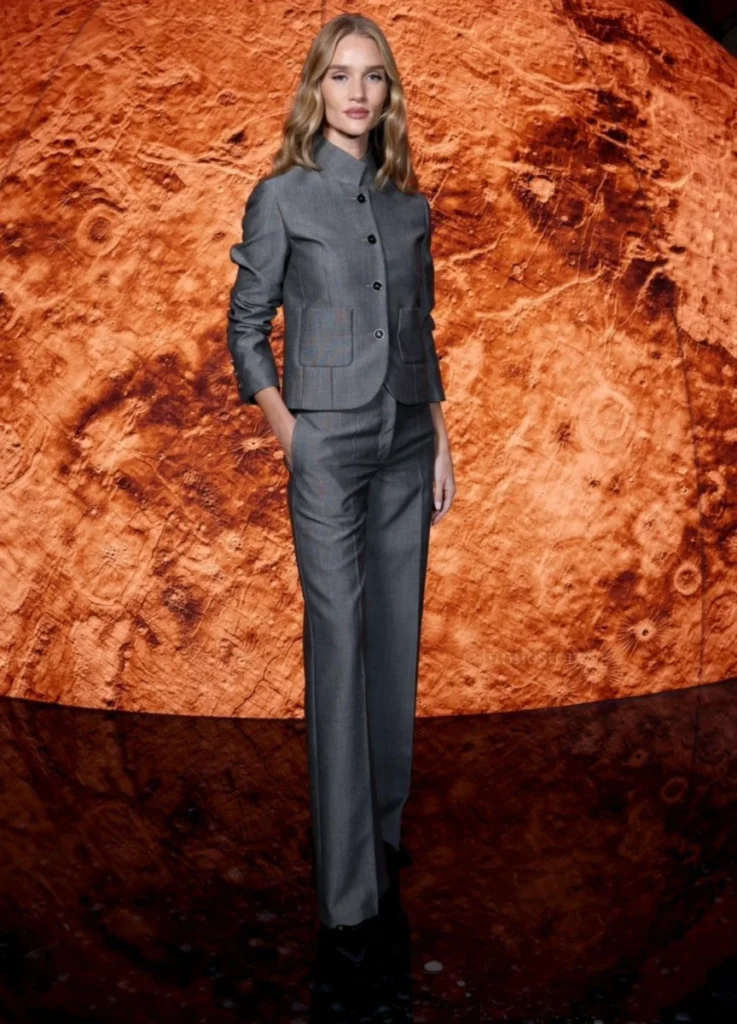
Body-type observations
Upper-body presence, fuller shoulders. Collarless tweed jackets, single-breasted silhouettes, and lighter cardigan layering work best. Heavy brooch clusters and wide-lapel constructions add visual weight to an already-prominent area and are best avoided.
Hip-prominent or wave-shaped frames. H-line skirts, knit-set skirts, and straight trousers paired with shorter tops are the strongest pairings. The linear tweed patterns Chanel favours this season help prevent visual expansion through the hips — a quieter benefit for this body type.
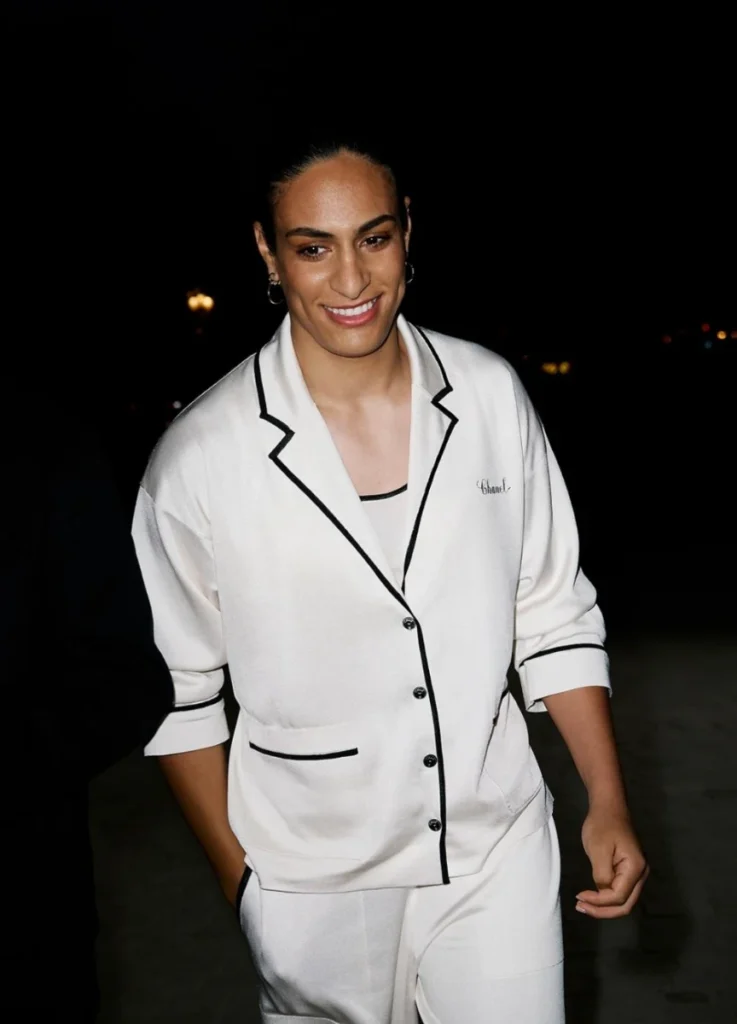
Shorter frames. Cropped jackets, high-waisted bottoms, knee-length skirts, and tonal styling work most effectively. Long, heavily embellished outerwear in the collection skews toward taller proportions; balance becomes harder at smaller scales.
Slim, straight frames. Knit sets, cardigan-and-slip combinations, and tweed mini skirts perform well. The material’s inherent volume keeps the silhouette from reading flat.
Leather and Faux Fur │ Blazy’s Material Logic
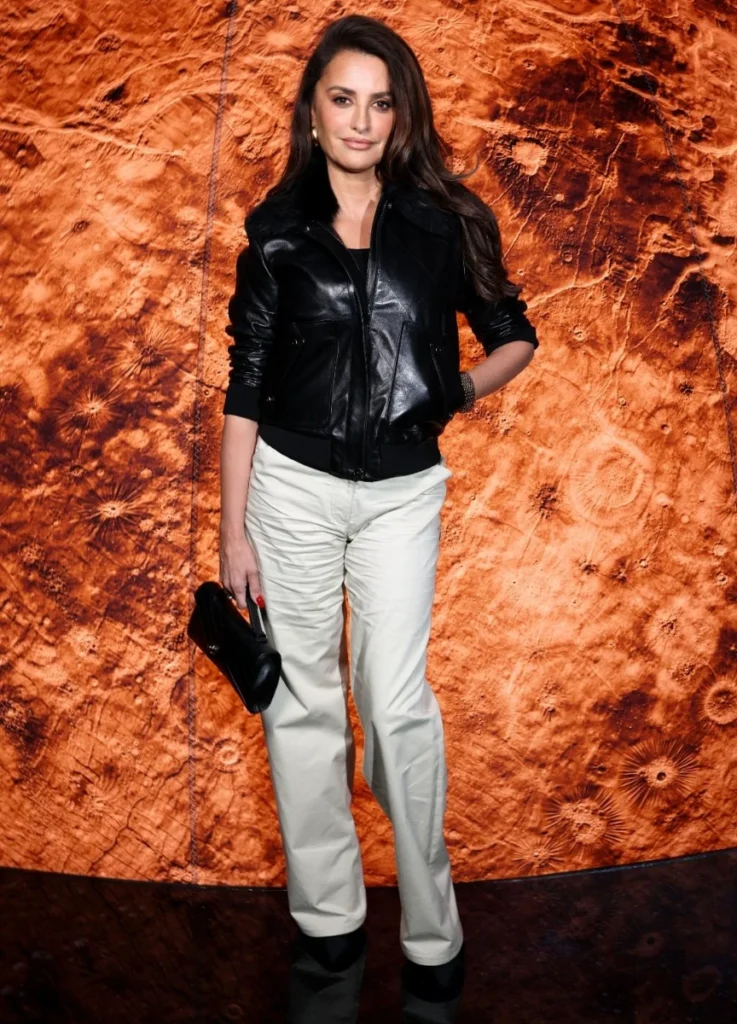
At first glance, Chanel’s leather jackets and faux fur outerwear this season can feel un-Chanel. That unfamiliarity is the point.
Blazy’s material instincts have always pulled in a particular direction — leather that does not read immediately as leather, structure without rigidity, surfaces that look ordinary across a room and reveal complexity up close.
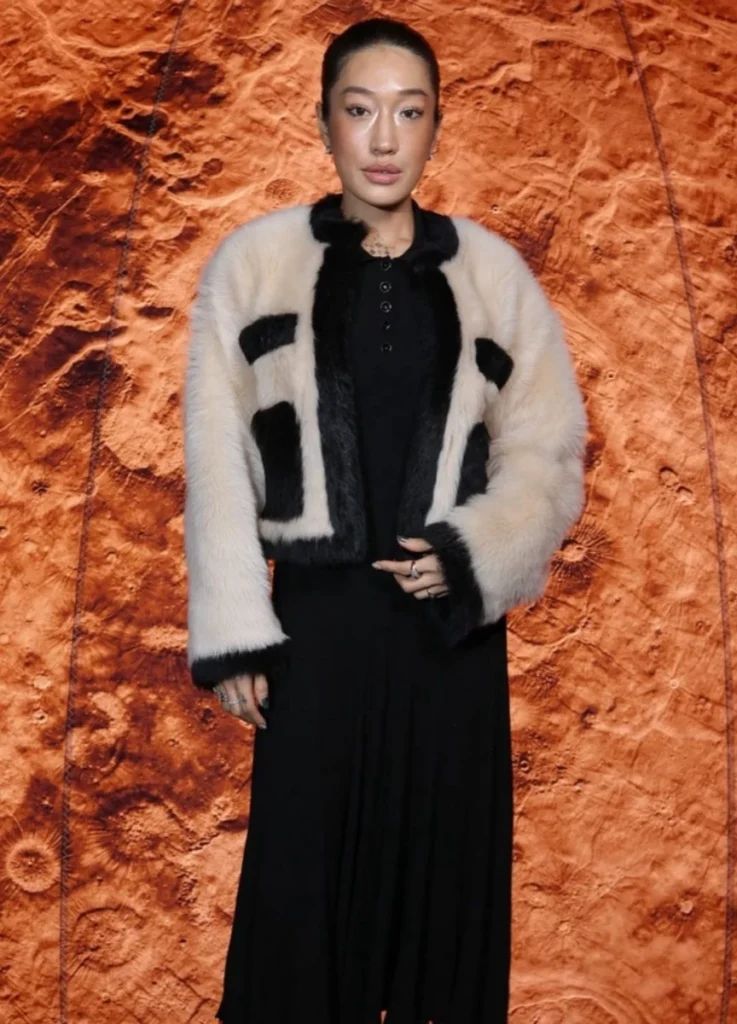
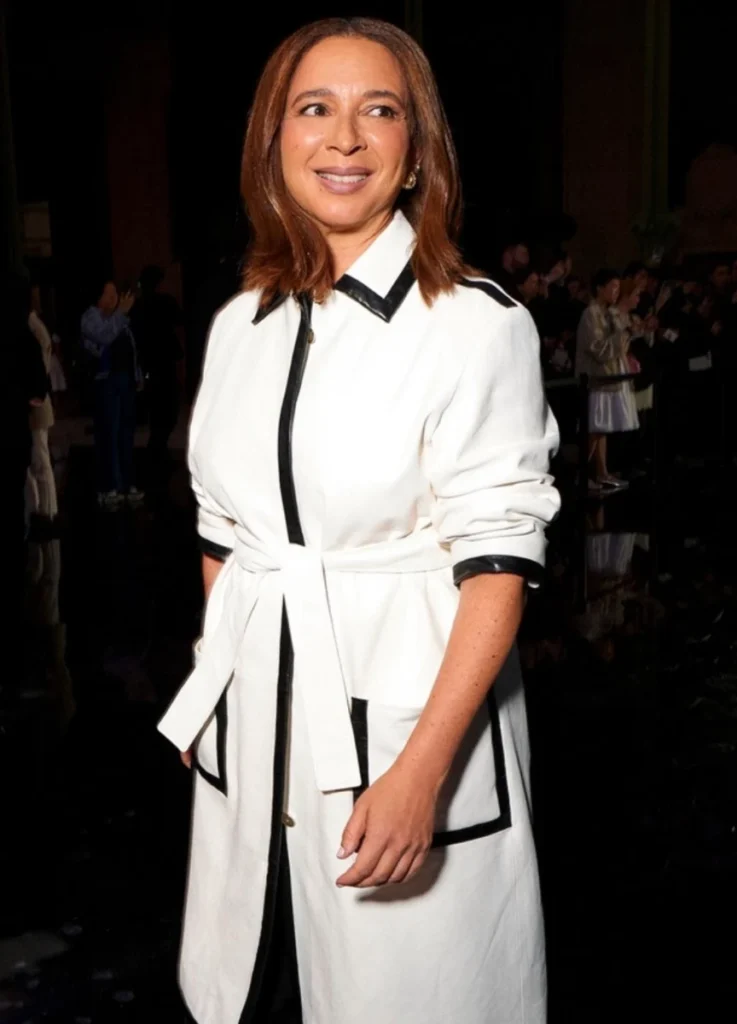
The 26P leather jackets occupy a deliberately liminal space, sitting between shirt, jacket, and coat. The vocabulary departs from the bike-jacket archetype entirely. These are pieces intended for someone who carries her own structure already.
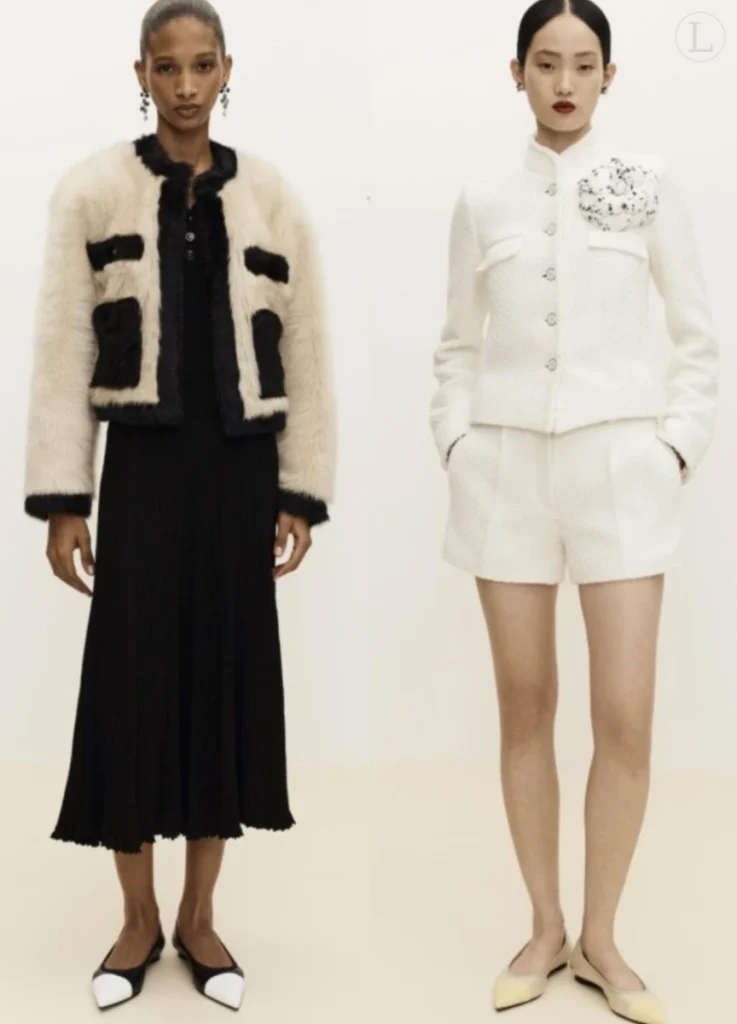
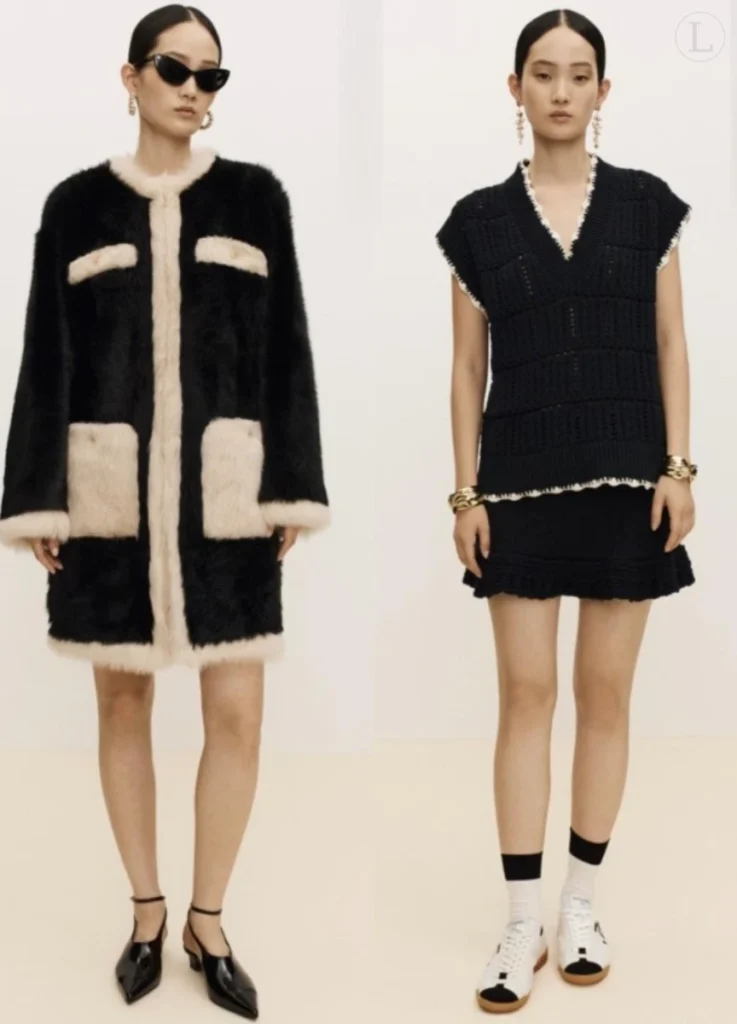
The faux fur is similarly deployed. It is used purely as texture — short lengths, colour-blocking, minimal interior styling. There are echoes of Blazy’s Bottega Veneta work in the treatment, brought into Chanel’s own grammar.
The luxury here reaches the wearer at hand level, through touch and weight first.
Inclusive, but Not Neutral
The 26P inclusivity range is broader than the SS26 runway, which had drawn criticism on this front when it landed in October. Cropped jackets, longer coats, straight skirts, suit sets, knit dresses — the silhouette spectrum is wider than recent Chanel pre-collections have offered.
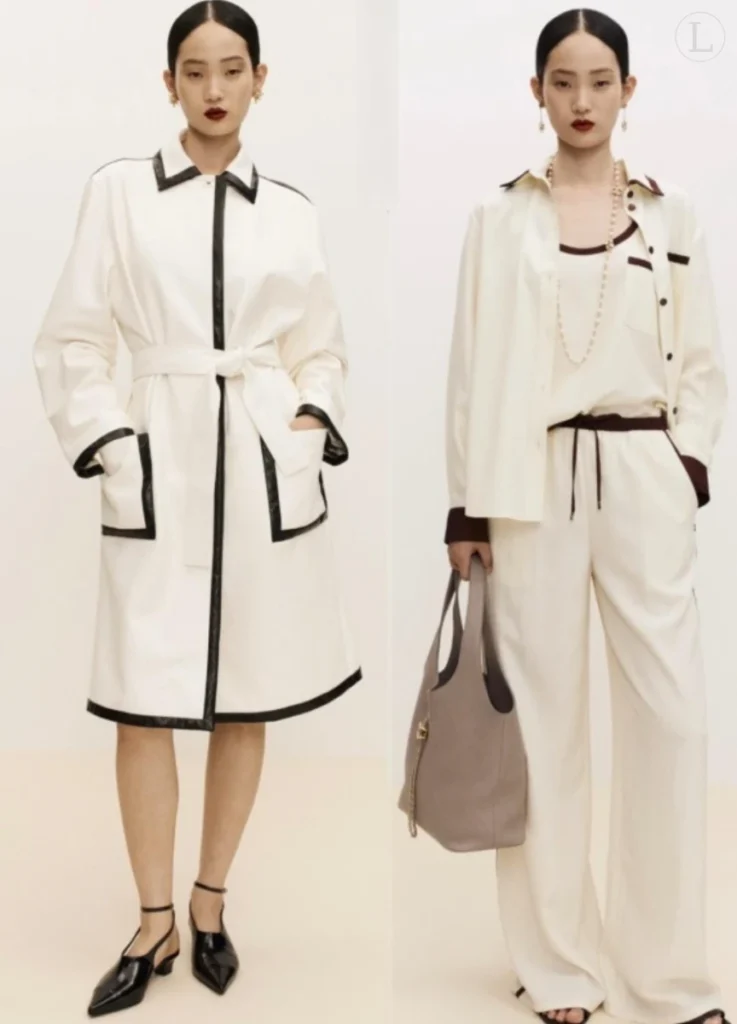
That breadth is not evenly weighted across body types. The clothes work most fully on bodies with stable central alignment, moderate proportions, and limited need for explicit shape definition. Wearers whose silhouette logic depends on a defined waist, or who carry stronger curves, may find the season underwhelming in person.
The collection is oriented around a particular kind of wearer.
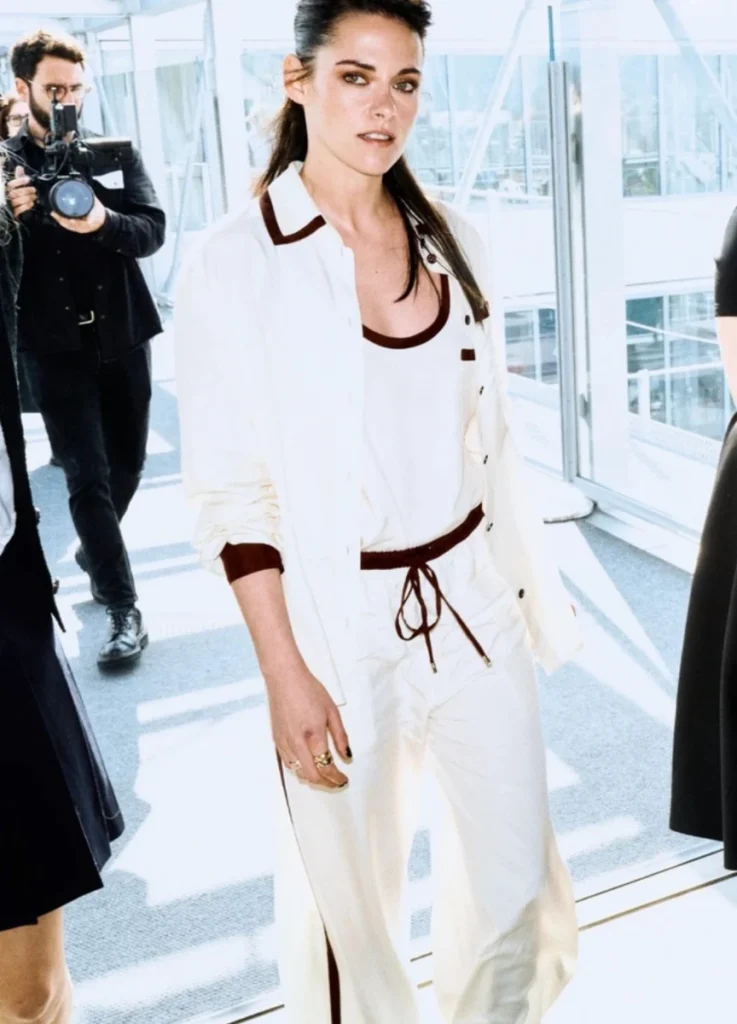
The Tactile Pause
The reservation surrounding 26P is not aesthetic. It is tactile.
The silhouettes are refined and the wearability is genuine. Where the season holds back is on the physical density Lesage tweeds have historically delivered — the irregularity of weave, the roughness that signals craft, the sense of time embedded in the cloth.
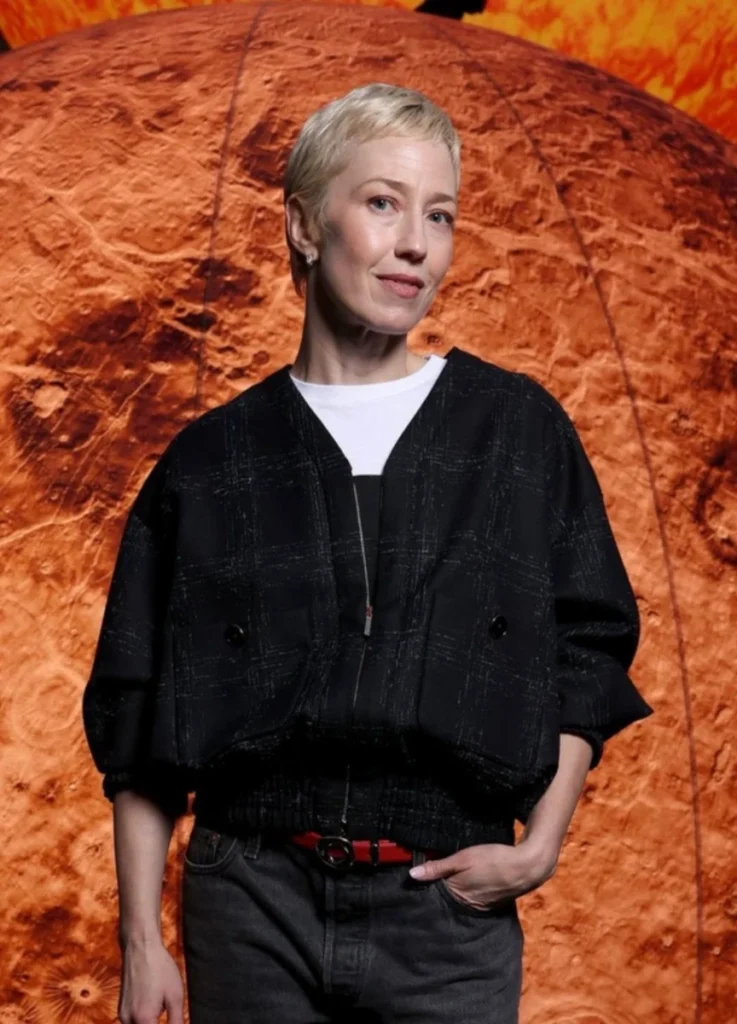
Surfaces feel smoother than expected. Textural irregularities have been reduced. The hand of the cloth is lighter and more controlled than long-time Chanel collectors are used to.
The pieces are unquestionably attractive. The question lingering in front of the price tag is whether the material presence is sufficient to underwrite the cost.
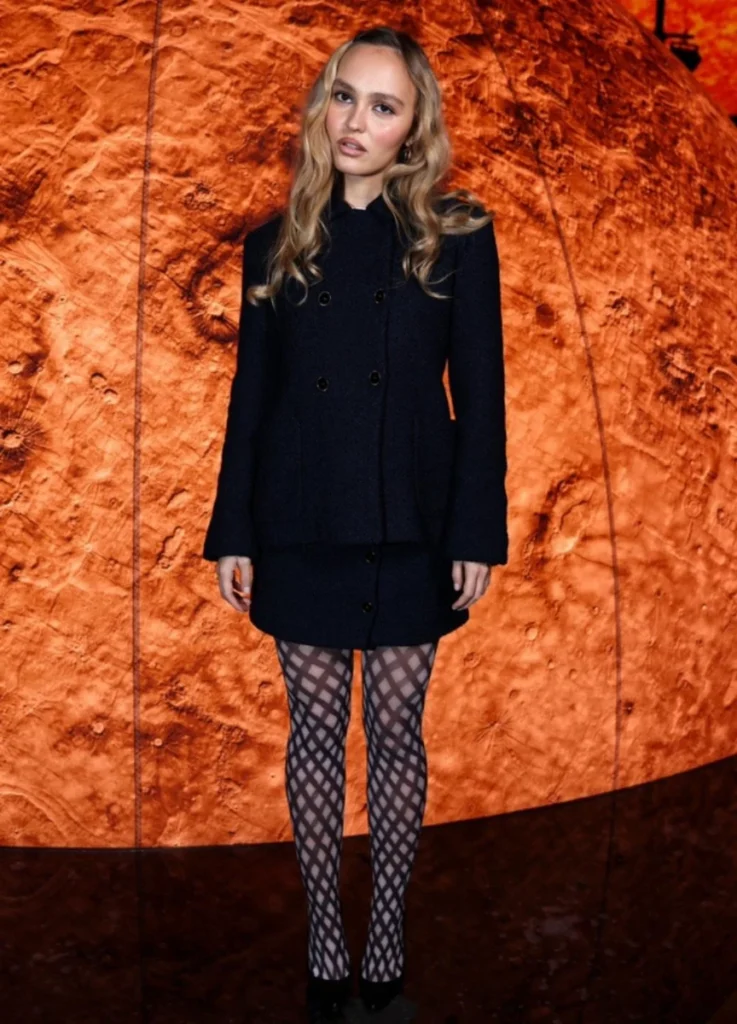
The Pause
The right framing for 26P is not disappointment, and not enthusiastic reception either. It is suspension.
The design logic is sound. The body accommodation, while less generous than the Bowery runway suggested, still holds. The material persuasion that has historically underwritten Chanel’s pricing — the Lesage hand, the weight of cloth, the visible craft — feels held in reserve here.
For experienced Chanel wearers, this is a season to try, observe, and decide later. For newer clients, it is a season to test in person before committing from the lookbook alone.
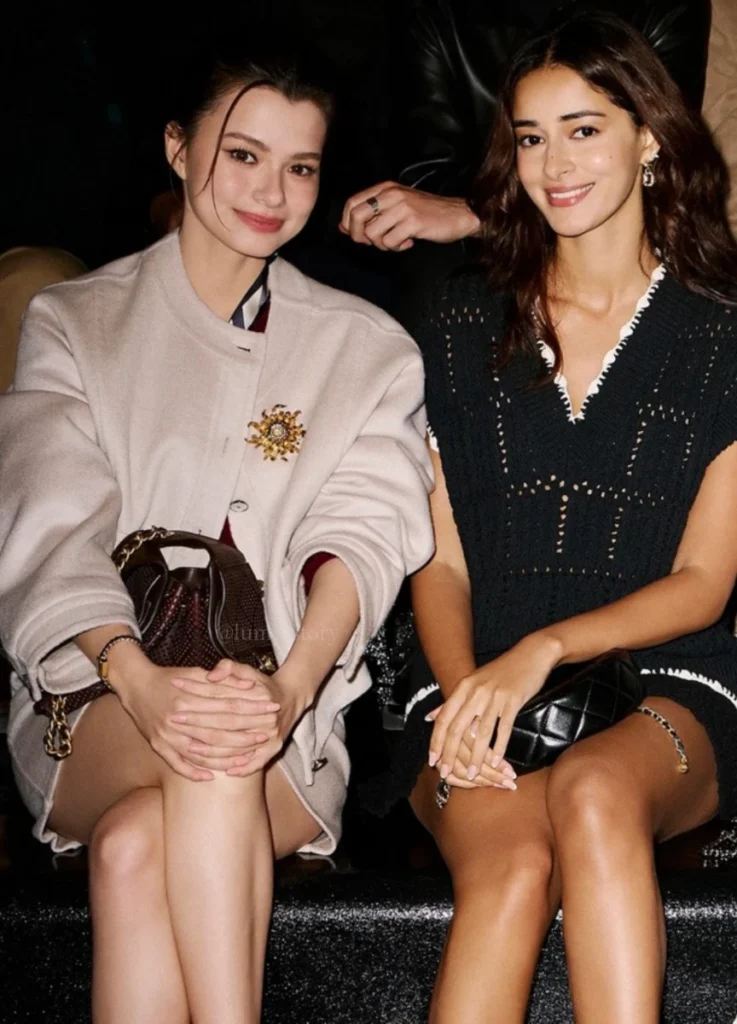
Closing │ Why Chanel, Still
Practical, well-made daily clothing is widely available across price tiers now. What Chanel still offers, beyond the practical garment, has more to do with how the wearer’s day organises around the clothes — attitude as much as shape.
26P, on its own, asks that question more clearly than it answers it. The silhouettes are refined. The breadth is wider than the SS26 runway. The leather and faux fur offer a Blazy-language preview that shifts the conversation forward.
But the tactile case for the price has been temporarily set aside, and that is what long-time Chanel collectors are likely to notice when they handle the pieces in person.
The collection is good. It is the kind of season worth holding off on until the next delivery confirms whether 26P represented a single moment of restraint or the new normal.
[ Related Editorials ]