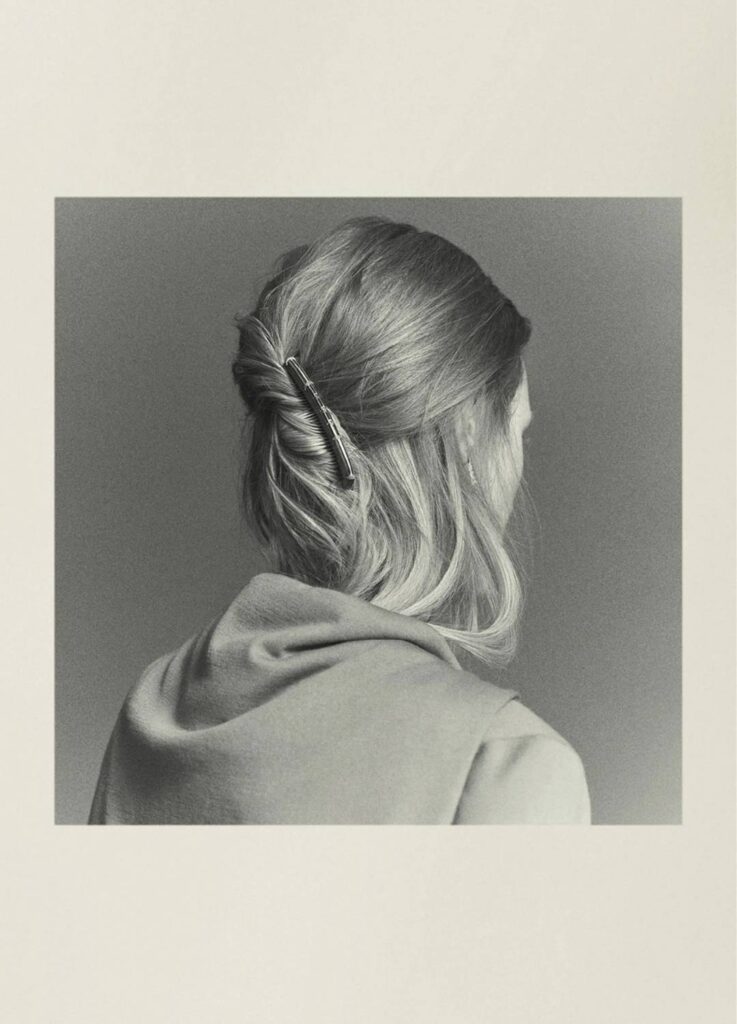
The Row’s Spring 2026 Ready-to-Wear collection feels less like a new proposal and more like a measured review of a language the house has already mastered. Without the spectacle of a runway, the season leans on what The Row does best: restrained tailoring, silhouettes that refuse to collapse, and garments designed around the life of the person wearing them. This post traces the collection’s core currents—and highlights five looks that crystallize the season’s logic.
The Row Spring 2026 RTW
The Logic of Clothing Completed by Withholding the Show
The Row’s Spring 2026 Ready-to-Wear does not “introduce” novelty so much as it audits a vocabulary already built over time. The brand has long minimized runway theatrics, preferring to let construction and proportion do the speaking. This season continues that stance: the scale of the presentation is secondary. What matters is the condition of the clothes—how they sit, how they hang, and how they read when nothing else competes for attention.
In earlier non-runway presentations, garments were often staged on mannequins with the stillness of a studied still life. It was a deliberate method: proving the balance of a tailored blazer or a shirt in the most objective state possible—without the distraction of a body, a personality, or performance. The Row used absence as a form of evidence.
This season, that evidentiary method becomes even more restrained. The space remains quiet, but the clothes are no longer “explained.” Instead, what carries the message is the way the garments exist in the room—and the distance at which they are seen. It suggests a brand moving past the need to argue for its structural credibility. The confidence is assumed, accumulated, and now simply enacted.
1) Structure Remains; the Sensation Becomes Lighter
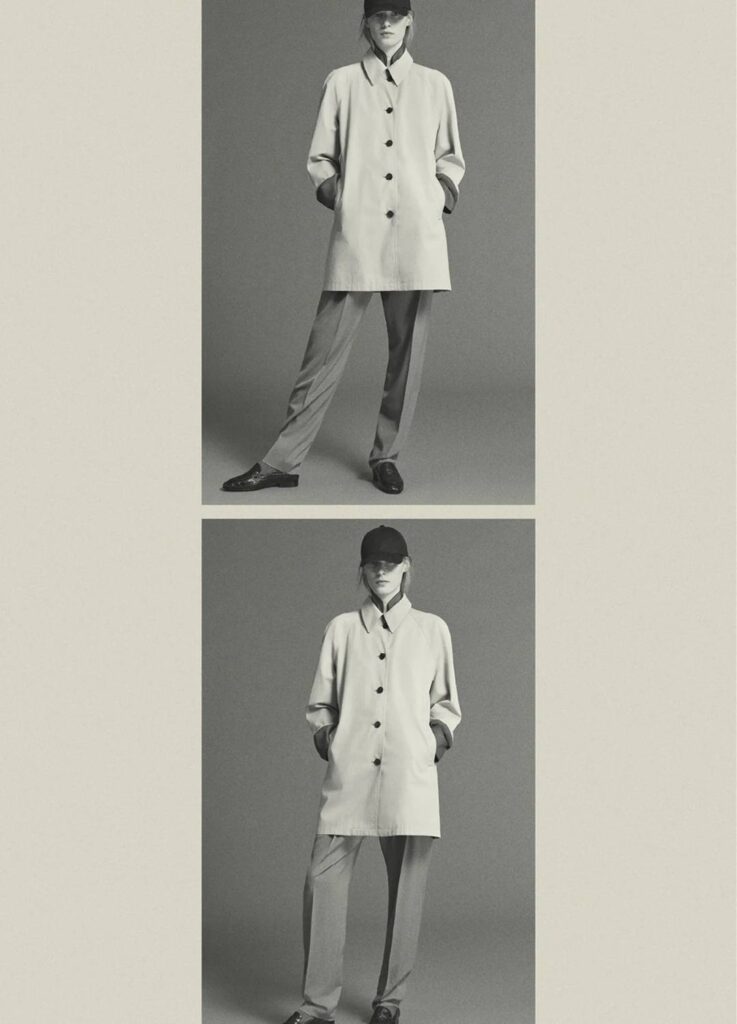
The first shift one feels in Spring 2026 is not a dramatic silhouette change but a relocation of weight. The Row’s tailoring remains firm, yet the sensation on top of that structure is lighter. Shoulders are still refined, but they fall with greater ease. The junction between shirts and trousers feels more spacious—more air, more margin, less insistence.
This reads less as a new shape and more as a recalibration built for movement after the first wear. In the trousers especially, tension is eased at the waist and hip without disturbing the overall ratio. The garments appear designed not to control the body, but to follow it—quietly, accurately, and without visible compromise.
2) Material Choices Designed to Hold “Wear” (Not Newness)
If there is a true anchor this season, it is material. Silk, cotton, and cashmere appear selected to avoid looking “brand new.” Fabrics with a washed hand and a lived-in surface are notable—jersey and shirting that carry the suggestion of repeated laundering rather than pristine stiffness.
This aligns precisely with The Row’s long-standing definition of luxury: clothing that becomes more natural over time, not less. The collection treats garments as part of daily life rather than seasonal trophies. The value is not in immediate impact but in the way the piece settles into routine.
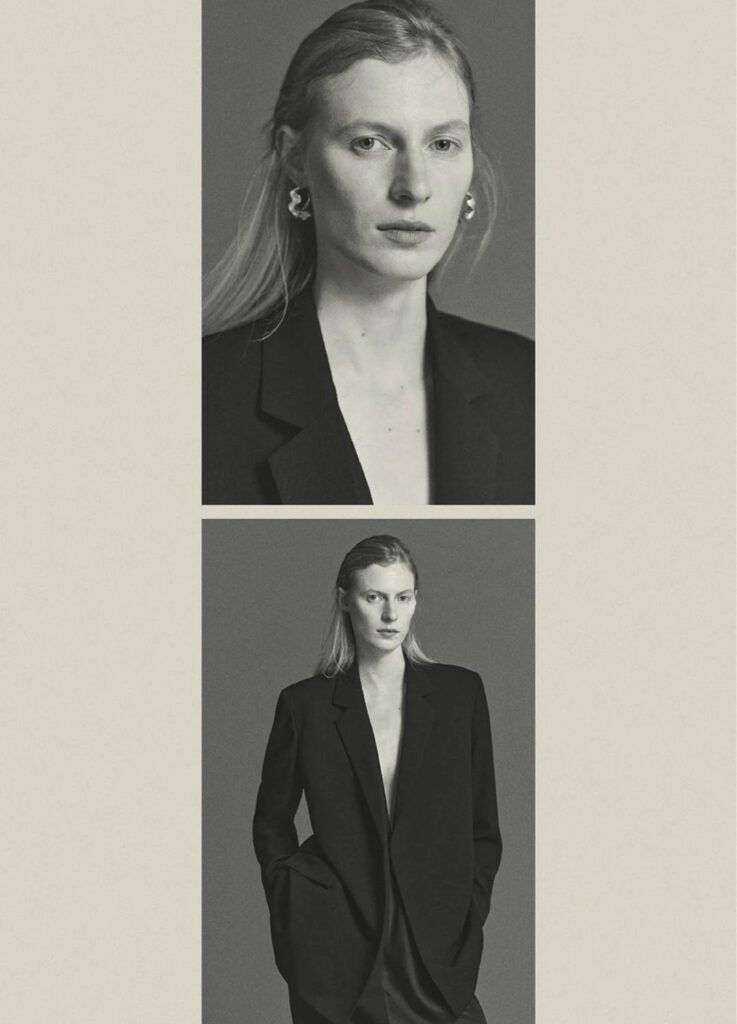
Across the season, the tactile language is consistent:
- jersey that feels repeatedly washed rather than freshly pressed
- slub textures that keep the surface alive
- light that is absorbed, not reflected
In other words, the emphasis is not on expensive material as display, but on texture as time. Instead of silk’s sharper tension or a fabric’s architectural assertion, the center of gravity is realism: wear, wash, return, repeat.
3) Dressing as a “State,” Not Styling
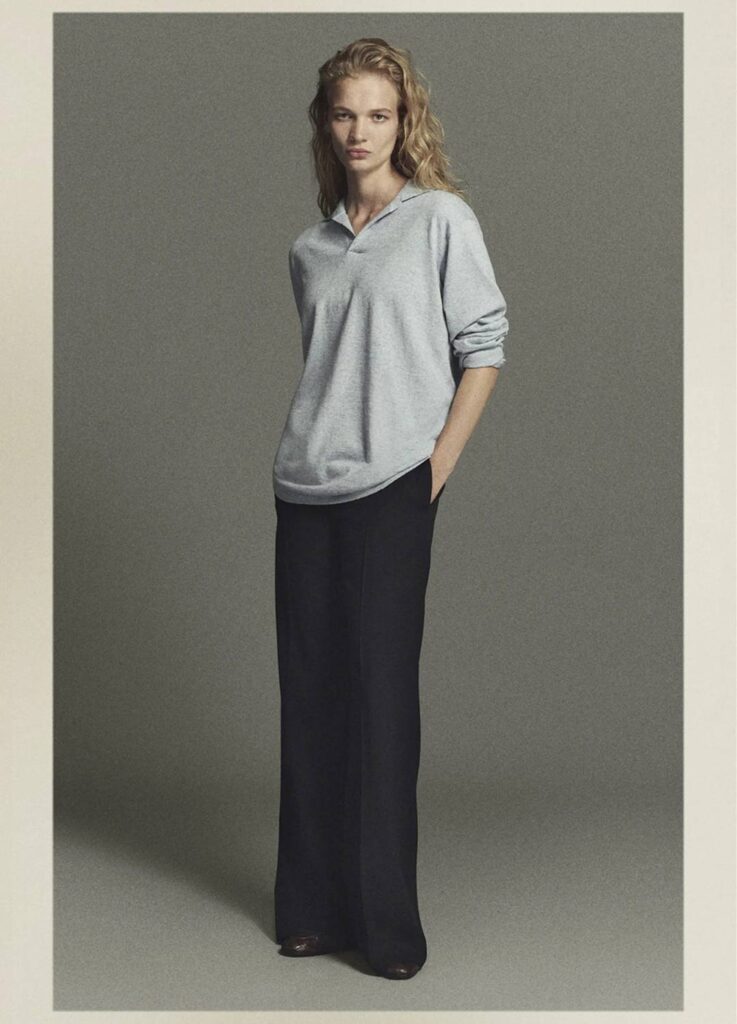
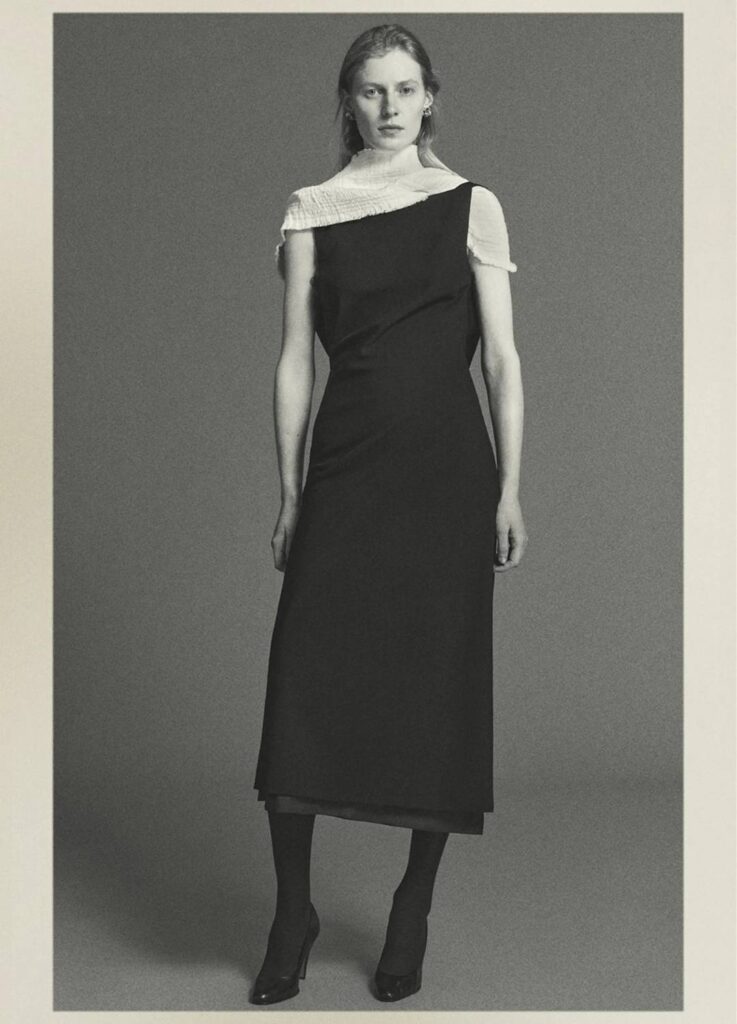
There are few obvious styling devices this season. Accessories are held to a minimum. Shoes sit within a narrow range—low pumps and flats that do not attempt to become punctuation. This is not “safe.” It reads as discipline: a refusal to let attention disperse.
The Row pump, in particular, continues to appear without commentary. The heel height, the curve over the instep, the grounded stability—these are already established forms. The brand does not use footwear to announce a new idea. It repeats, instead, a familiar position: this is enough.
4) Image-Making: Less Lookbook, More Editorial Record
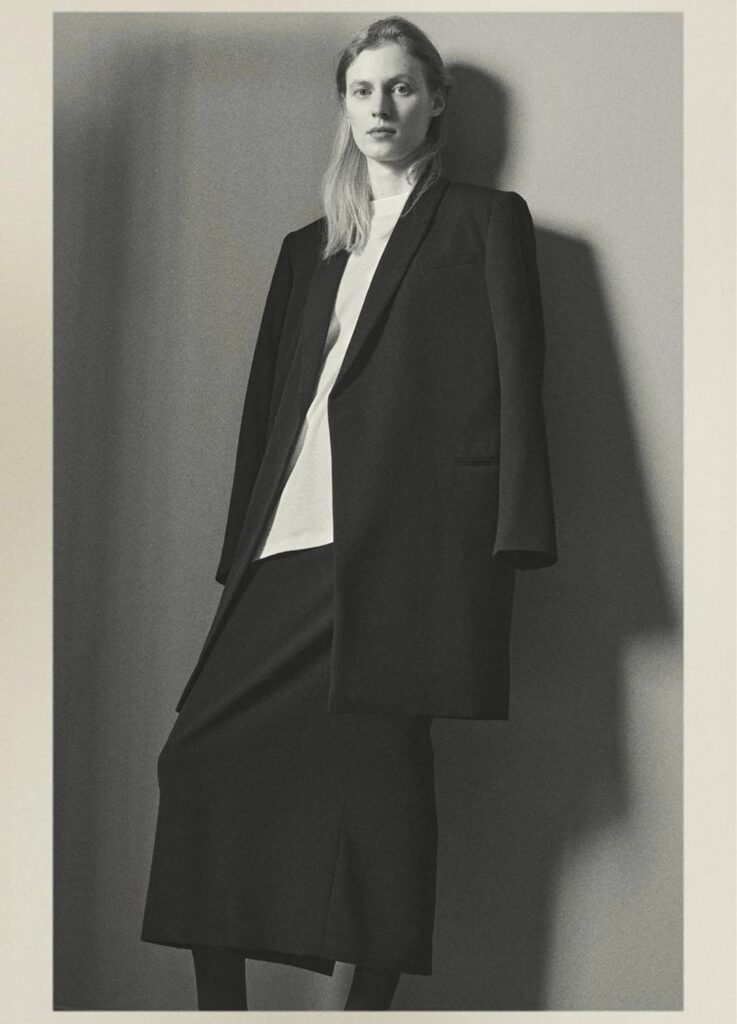
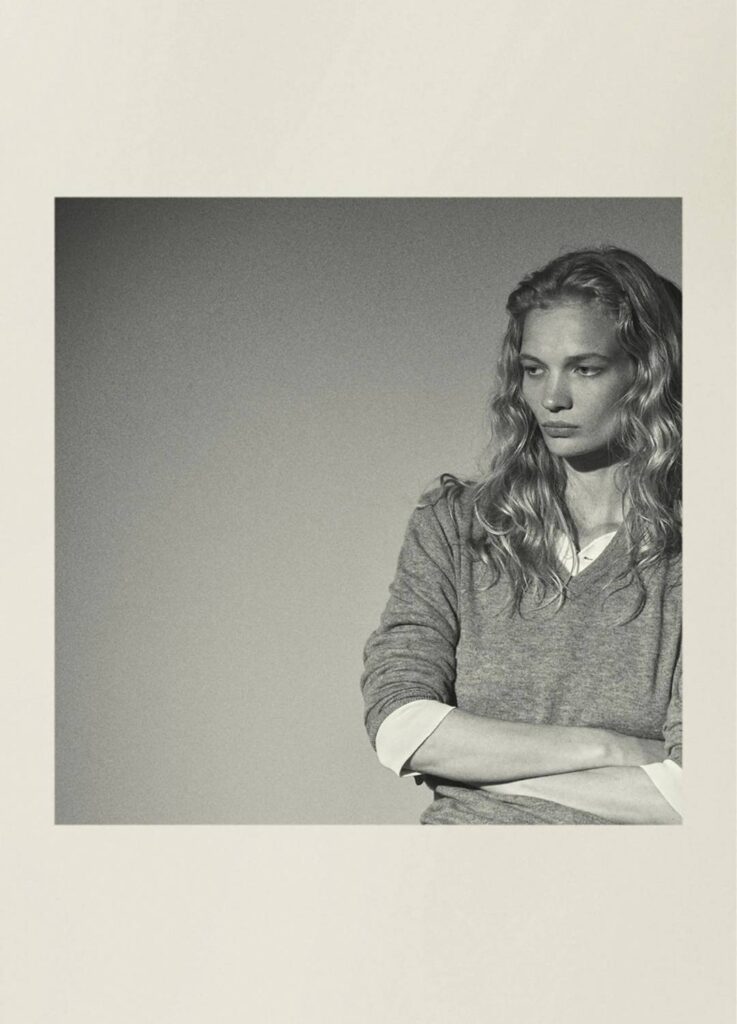
The season’s imagery feels closer to an old magazine editorial than a conventional lookbook. Poses are held. Expressions remain neutral. The clothes are not narrated; the background stays deliberately noncommittal.
This reinforces something The Row has been building for years: it is not primarily a runway brand—it is a brand that is recorded. The clothes are designed to last as images, but not in a glossy, trend-forward way. They linger with the calm authority of documentation. The aim is less to trigger consumption than to create an image you can return to and read again.
5) How to Receive This Season
Spring 2026 is not engineered to spark an immediate buying impulse. Its persuasion is slower, and therefore more selective. It resonates most strongly with:
- those who have already built a functional wardrobe foundation
- those who value the life of a garment after purchase—how it behaves over time
- those who feel stability in refined repetition rather than constant newness
These clothes matter most not when they look “desirable,” but when they begin to feel like something you have always worn.
Four Looks to Watch
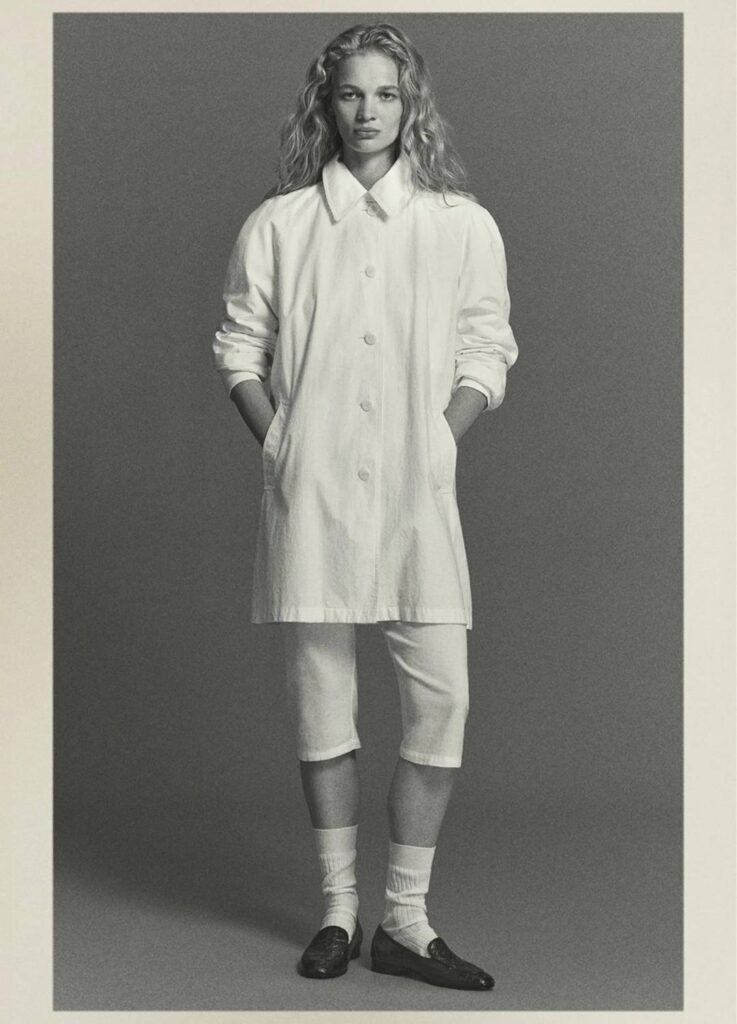
Look 1 — White Shirt + Relaxed Trousers
The Row’s “completed basic”
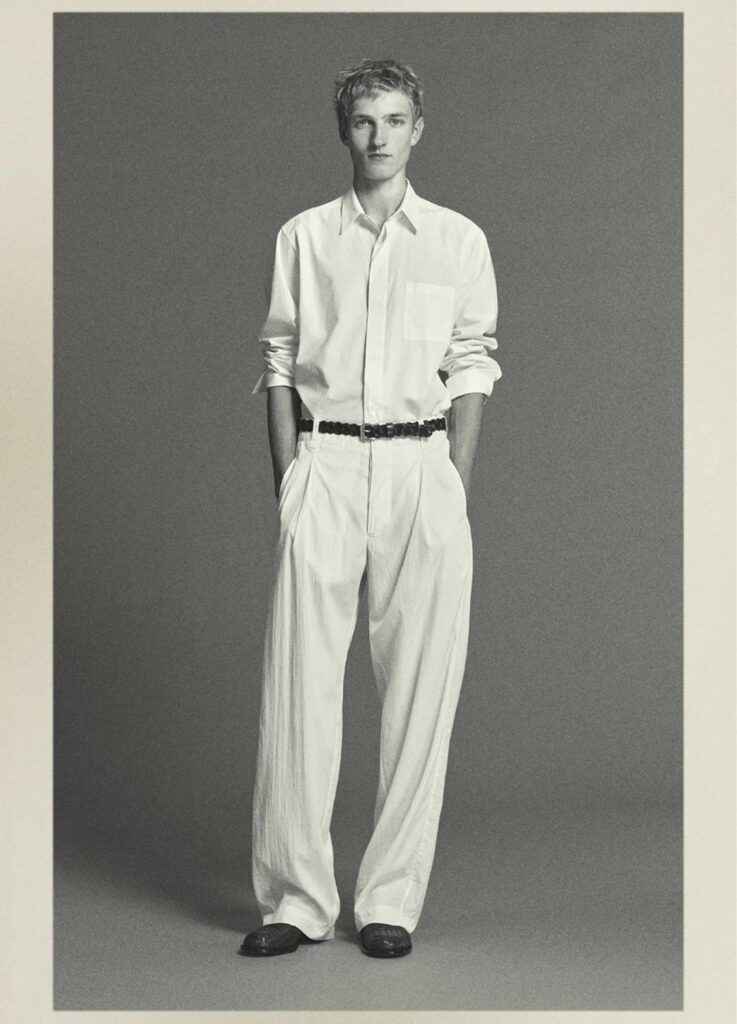
The most emblematic image this season is the simplest: a plain white shirt with straight or wide trousers. The point is not design but proportion. The shirt doesn’t cling, yet it doesn’t overwhelm. The trousers hold the waist with quiet certainty. The result is not body-revealing but body-organizing—bringing the wearer’s center into focus.
In that sense, The Row’s foundational philosophy—once articulated through the “perfect T-shirt”—expands here into shirt-and-trouser architecture.
Key notes
- a trouser silhouette that stabilizes lower-body proportion
- a “basic” that reads as posture and attitude rather than trend
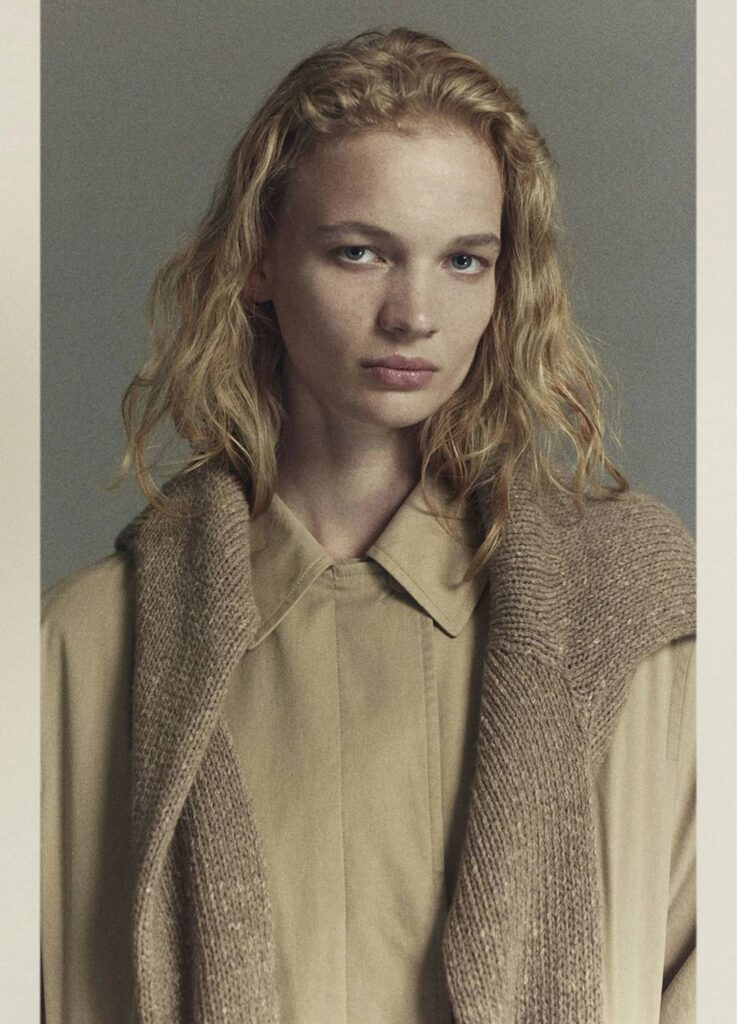
Look 2 — Knit Vest Layering
Depth without ornament
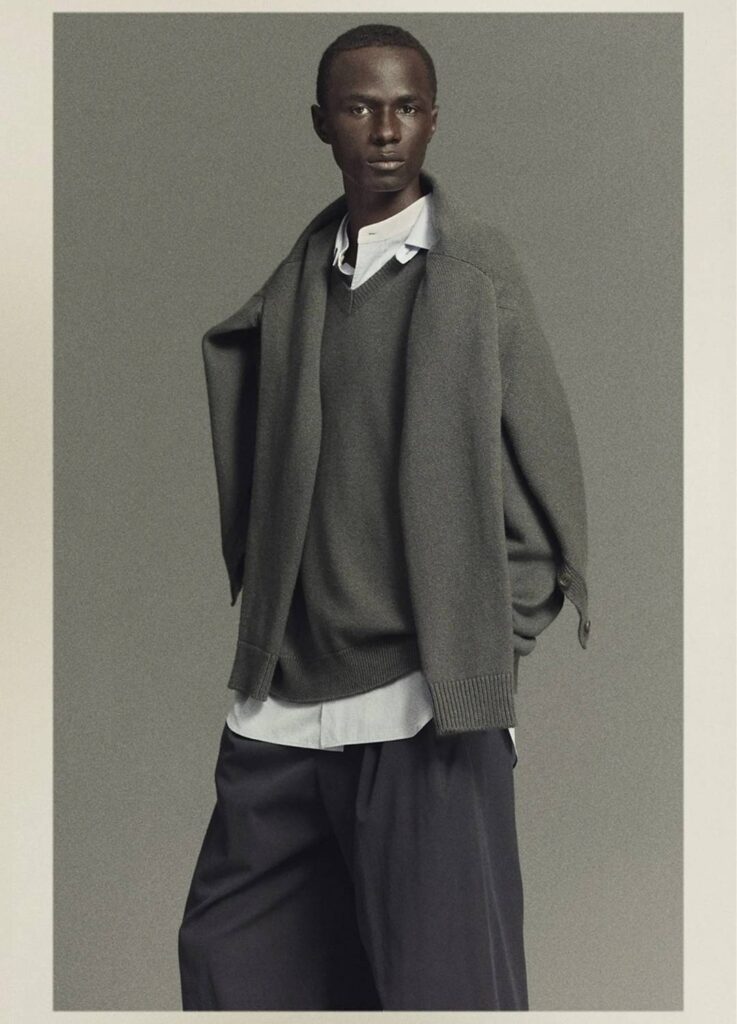
The knit vest appears not as a standalone statement but as a structural layer that adjusts density. It sits over shirts and resolves the upper body with a softened concentration—less about warmth, more about tempo. The armhole and shoulder spacing loosen tension and calm the line of the torso.
Key notes
- a knit structure that reduces upper-body volume rather than adding it
- the piece becomes strongest when layered, not isolated
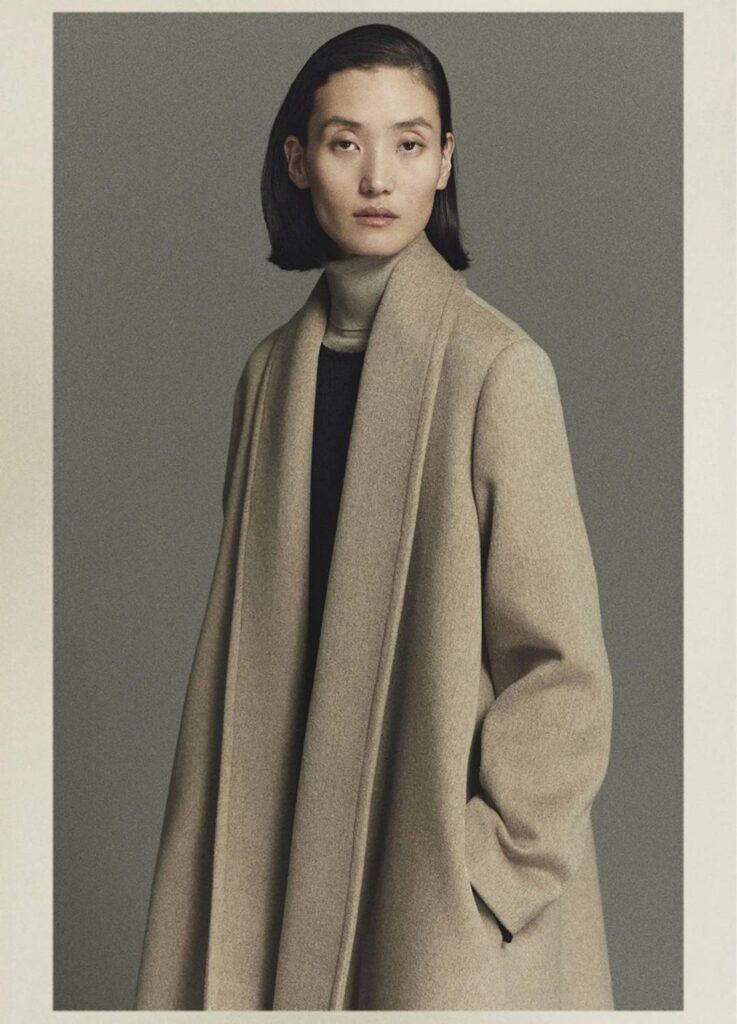
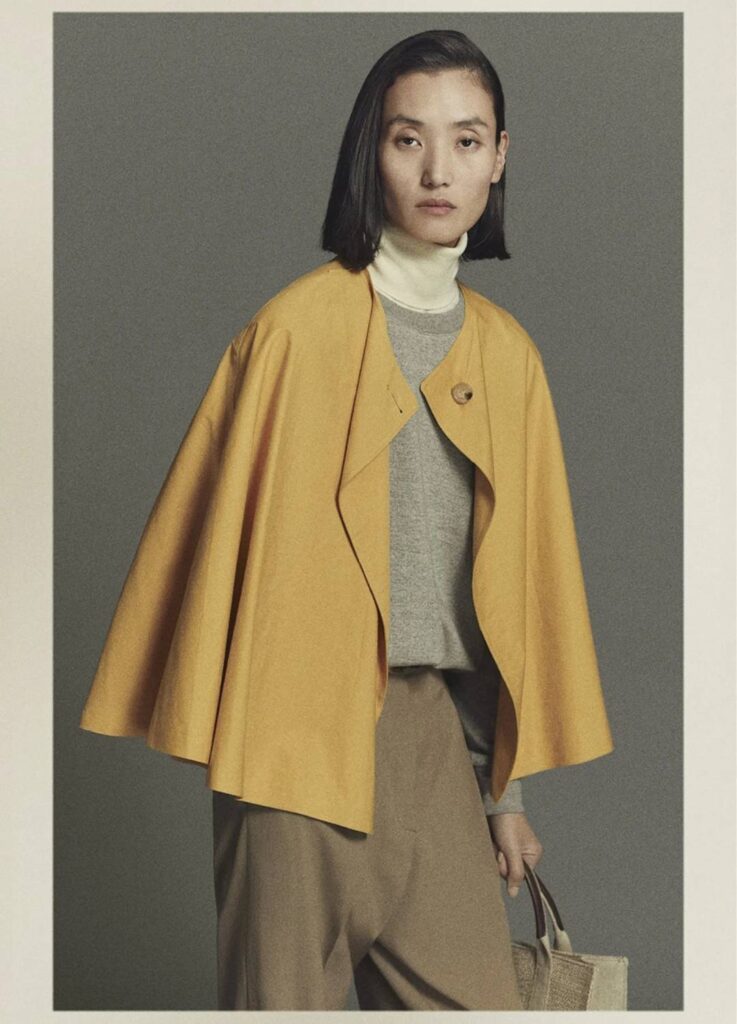
Look 3 — Cashmere Coats and Robe-Like Outerwear
Clothing as temperature, not armor
The season’s outerwear is not aggressively structured. Instead, it prioritizes how the garment wraps and protects the wearer’s condition. Robe-like cashmere pieces avoid sharp shoulders and rigid closures, reading less as “outerwear for display” and more as an extension of comfort into public space.
It’s also one of the clearest signals of The Row’s ongoing shift: from fashion brand to lifestyle logic.
Key notes
- design that prioritizes the wearer’s state over figure correction
- dissolving the boundary between indoor and outdoor dressing
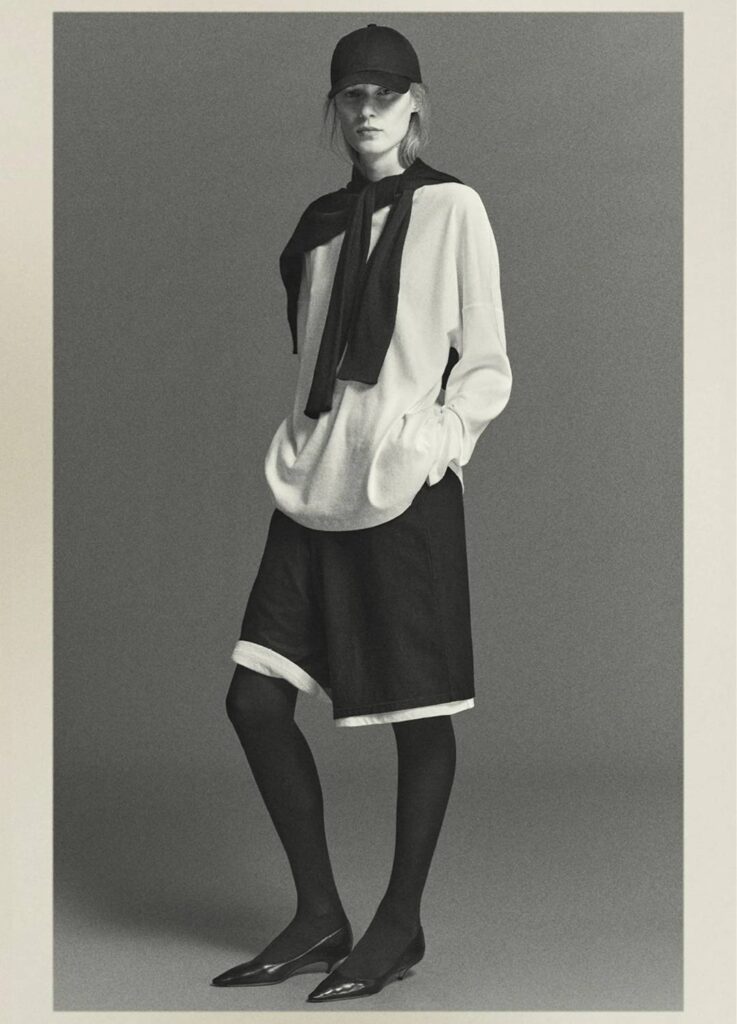
Look 4 — The Row Pumps and Flats
A finish that refuses drama
Shoes remain among the most “silent” elements of the season. The emphasis is not novelty but placement—how the foot sits, how the silhouette stays grounded. The Row pump does not lengthen the leg in a showy way; it steadies the entire look. It appears repeatedly for a simple reason: the clothes require this level of understatement to keep balance intact.
Key notes
- not a “statement shoe,” but a stabilizing anchor
- connects across looks without adding visual noise
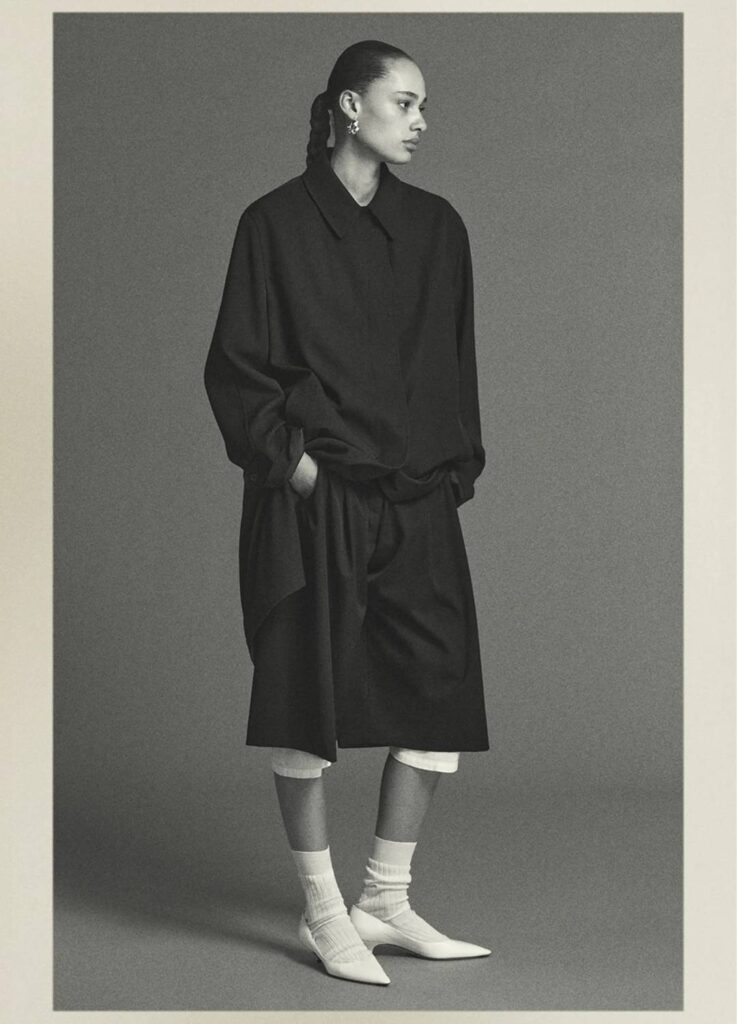
Closing
The Row still refuses to explain
The Row does not offer many words about its clothes this season. Yet the absence feels less like withholding and more like arrival. The structure has already been proven; what remains is the question of how that structure stays inside a life.
Spring 2026 is The Row’s answer: quiet, slow, and designed to remain—so that once a piece enters your wardrobe, it does not easily leave. The collection’s most specific quality is that it does not ask to be noticed. And that, in the end, is the most accurate description of The Row right now.
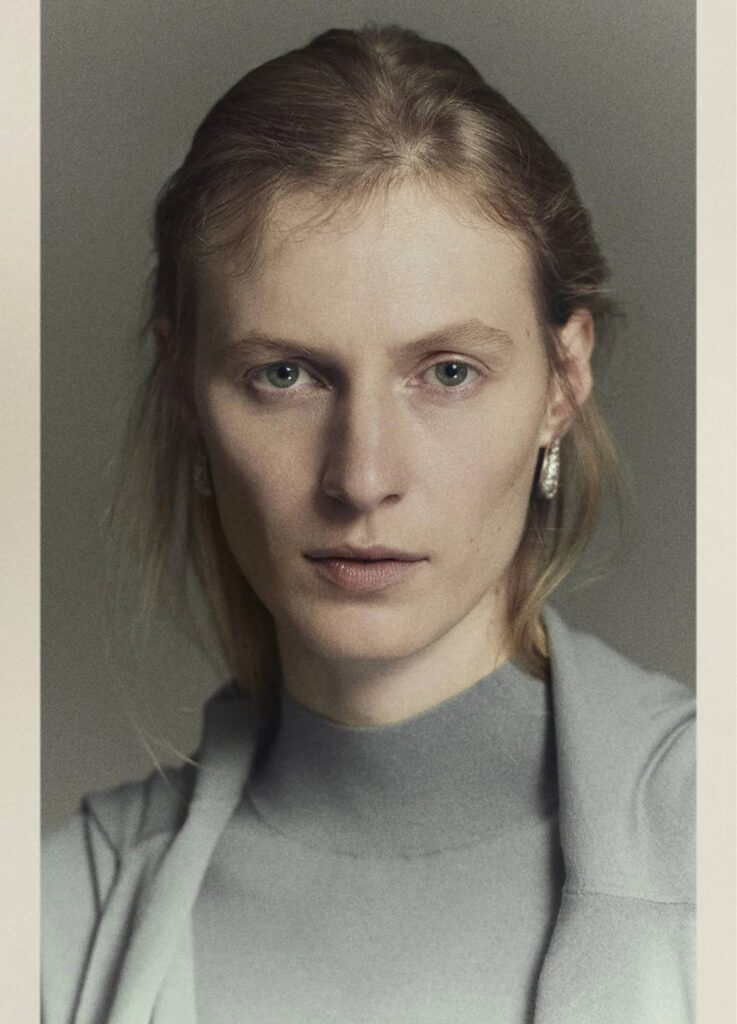
All images referenced in this post are drawn from Vogue Runway.
[ Related Editorials ]