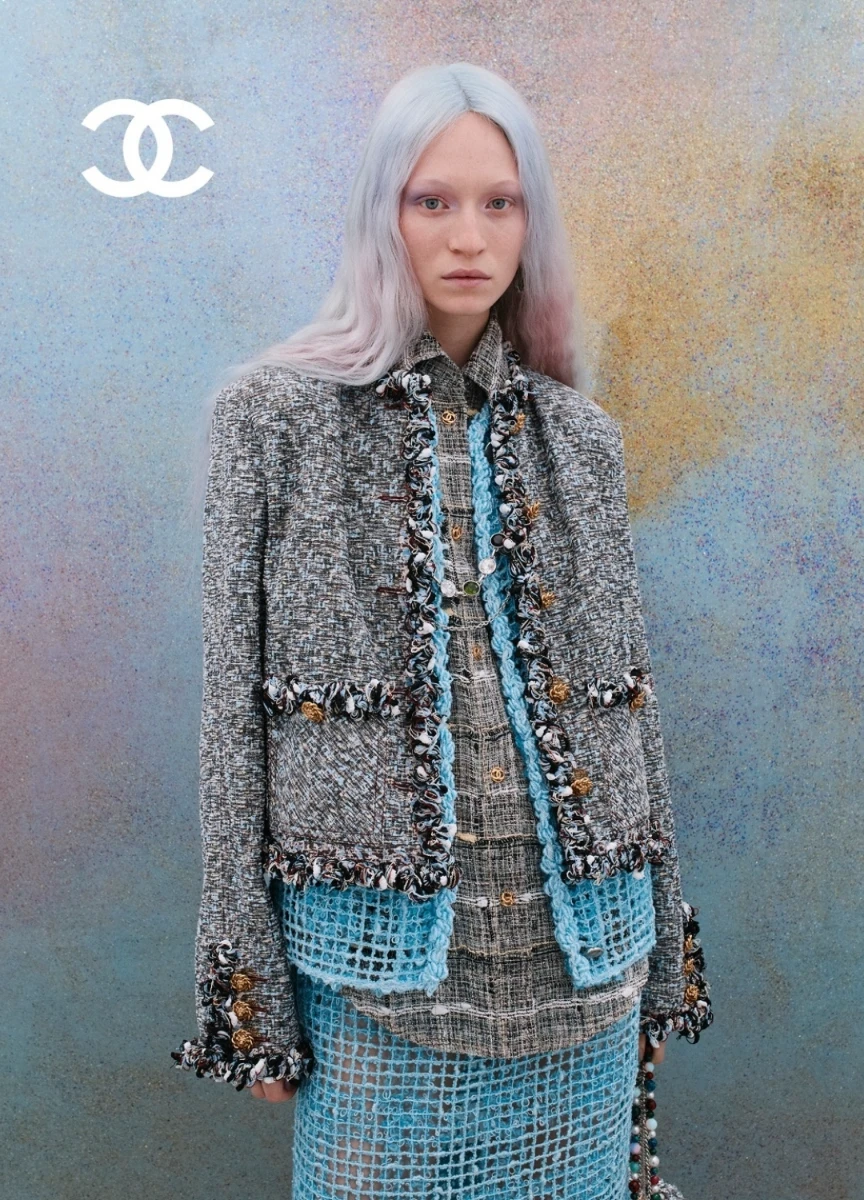
Chanel by the Numbers — And What the Numbers Don’t Say
Two stories are running through Chanel at the same time, pointing in opposite directions.
One is the arrival of Matthieu Blazy. A standing ovation at his first show. Boutique sellouts. A media impact valued at $94.8 million. The fashion world moved quickly to its conclusion: Chanel is in motion again.
The other is financial. Revenue fell 4.3% in 2024. Operating profit dropped nearly 30%. The dividend was suspended. For the first time since the pandemic, the growth curve broke.
Both stories describe the same brand, but they point to different conditions. One suggests recovery. The other reveals structural tension.
And between them sits a third story — one that is rarely covered.
What is happening inside the boutiques. How pricing is being felt. How seasonal inventory is shrinking. And where those shifts are sending clients.
This piece stays with that third story.
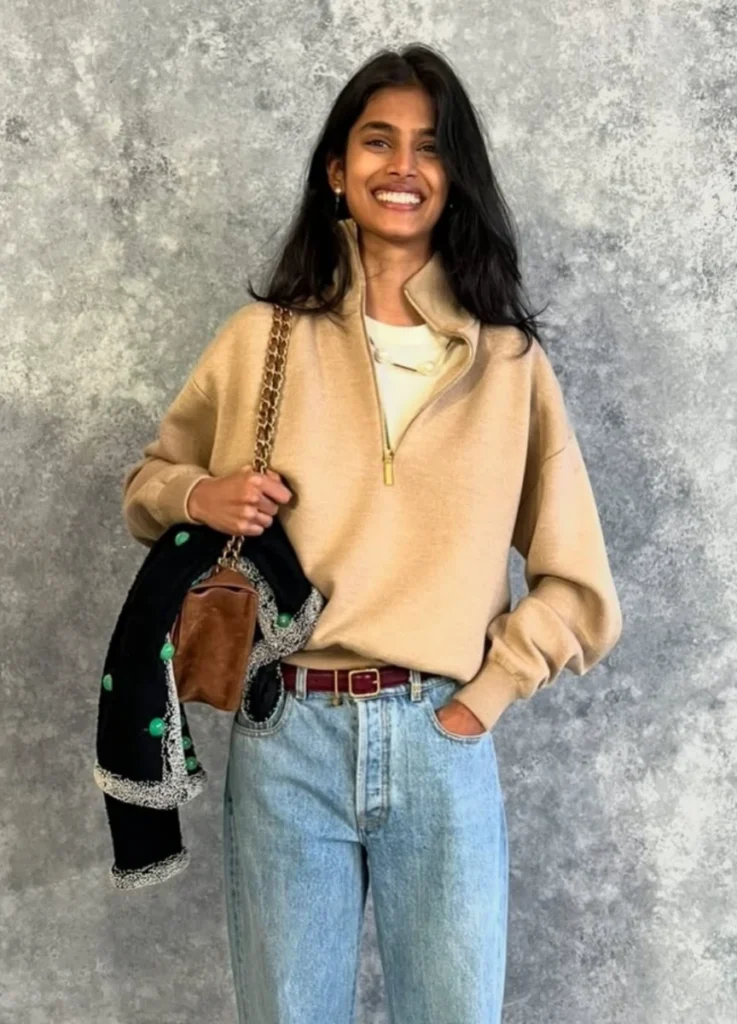
@matthieu_blazy / Instagram
2024 — What the Published Numbers Say, and What They Leave Out
On the surface, Chanel’s 2024 results are straightforward. Revenue of $18.7 billion, down 4.3% year over year. Operating profit of $4.47 billion, down roughly 30%. Net profit fell sharply. The dividend was paused.
Over the same period, Hermès grew 14.7%. Gucci fell 20%. Chanel sits somewhere in between — but position matters less than direction.
To understand these numbers, the trajectory behind them has to be read together.
In 2019, the Classic Flap was priced at approximately $5,800. By 2025, it reached $11,300. A near-95% increase in roughly six years.
Price nearly doubled. And 2024 was the year that pricing first visibly collided with demand.
Rising prices are not the issue. Luxury has always been expensive, and the market has always absorbed that. The issue is that starting in 2024, the price stopped being absorbed naturally.
Once pricing begins to feel unexplained, demand does not simply shrink. It redirects.
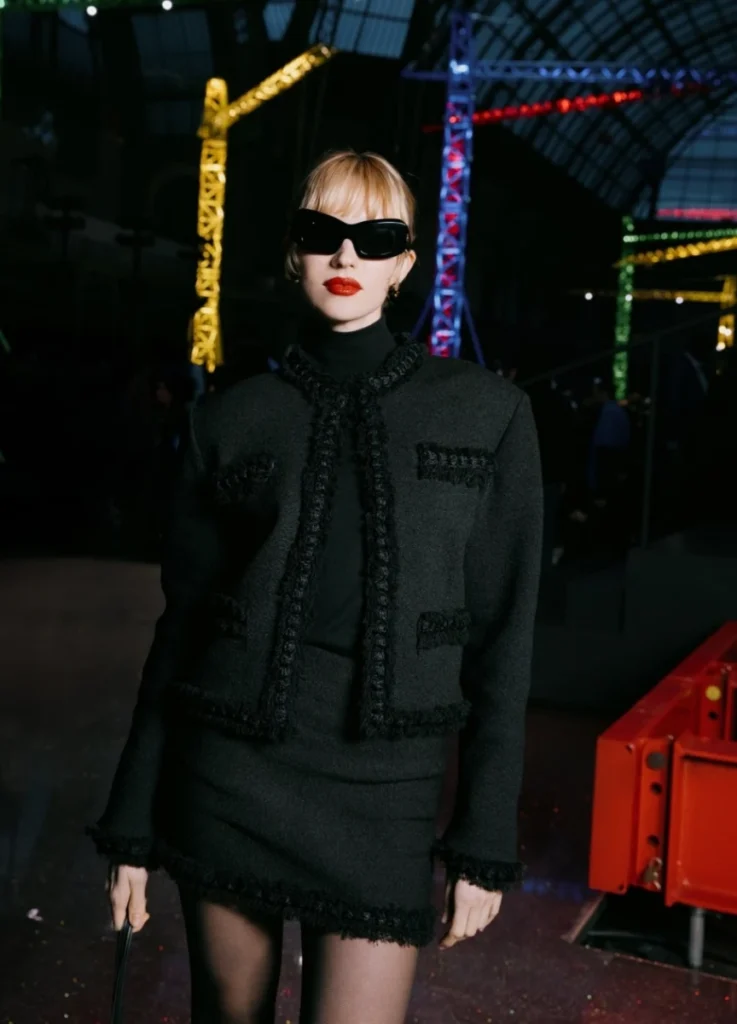
@chanelofficial / Instagram
The Lagerfeld Era — Chanel as Theater
Under Karl Lagerfeld, Chanel was a stage. Over 35 years, he turned tweed into spectacle and shows into immersive worlds — supermarkets, rockets, icebergs. None of it was designed to explain the clothes. It was designed to make the brand an experience.
The tweed jackets of this era were flawless on the runway. Wearability came second. That was intentional. During this period, Chanel perfected luxury as something to be seen rather than worn.
In 2019, Lagerfeld’s departure brought that architecture to a close.
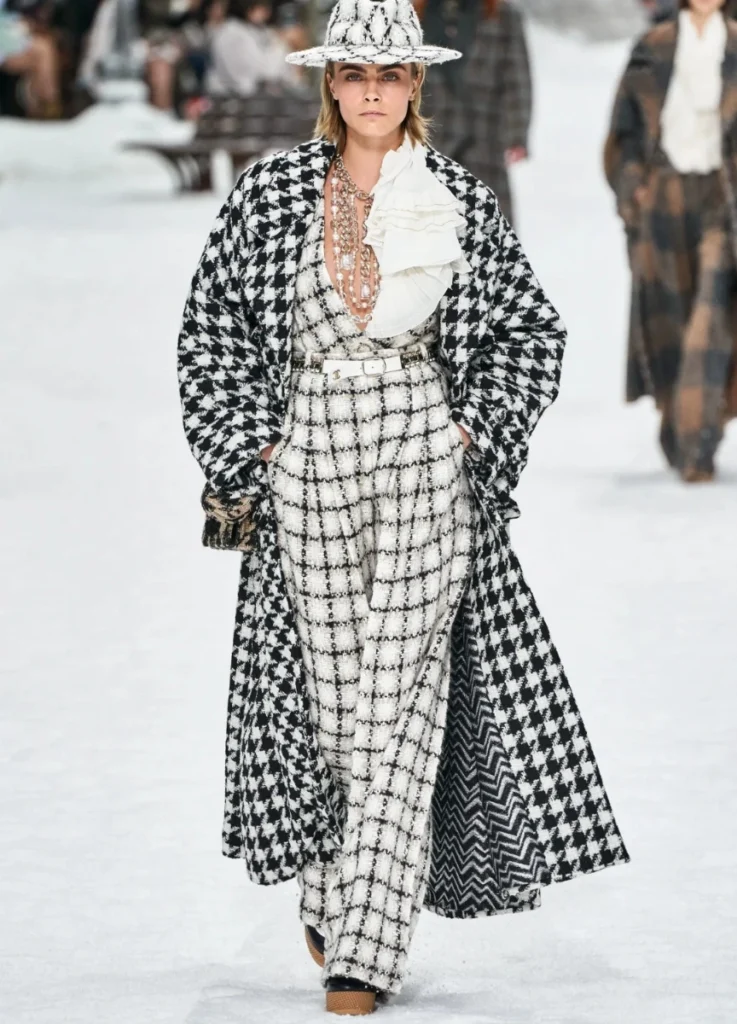
source: Vogue Runway
Virginie Viard — An Era of Transition and Fracture
Viard’s five years resist simple summary. The first half has been consistently undervalued.
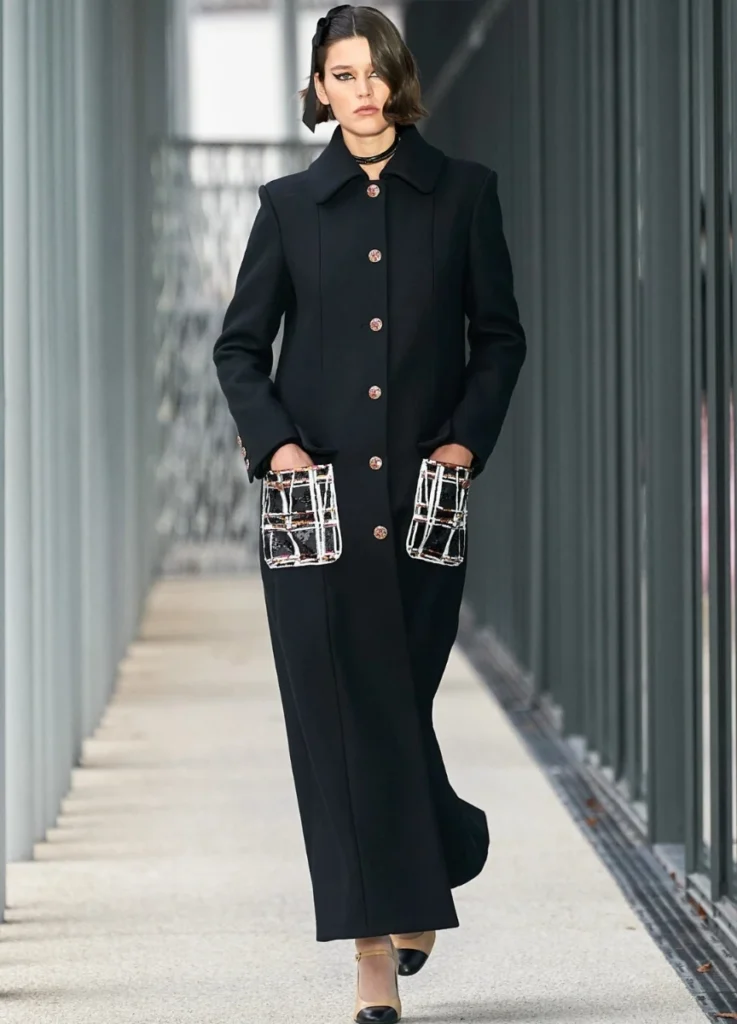
Her most important contribution is clear: she transformed Lagerfeld’s theatrical tweed into clothing women could actually wear in daily life. She is often described as a safe continuation of Karl’s vision, but anyone who has worn tweed from both eras knows the difference. The garments were fundamentally different on the body.
During this period, Chanel’s revenue grew from $15.6 billion to $19.7 billion — an all-time high. Yet the consensus label remains “safe Chanel.”
source: Vogue Runway
That label is a simplification constructed after the fact.
The trouble came later. From 2023 onward, the consistency of the collections began to visibly waver. Direction blurred. The steadiness that had characterized the earlier seasons disappeared.
Seen in person at the boutique level, the shift was even more apparent. The work felt less like a designer reaching creative limits and more like someone producing under constraint.
In June 2024, Viard departed. The manner of her exit was disproportionate to her tenure. No farewell show. No transition period. No public acknowledgment of the kind typically afforded to a creative director who had presided over nearly $20 billion in annual revenue.
For more than a year afterward, Chanel operated without a creative director. The studio led. That vacancy carried its own message: the exit was swift, but the next step was not ready.

@matthieu_blazy / Instagram
Blazy — Market Response Without Financial Proof
Matthieu Blazy joined in April 2025. His first show came that October.
So far, there are reactions. No results yet. The debut generated approximately $94.8 million in media impact, placing it in the top 8% of Paris Fashion Week. Key pieces sold out in Paris. Wait lists formed in New York and London.
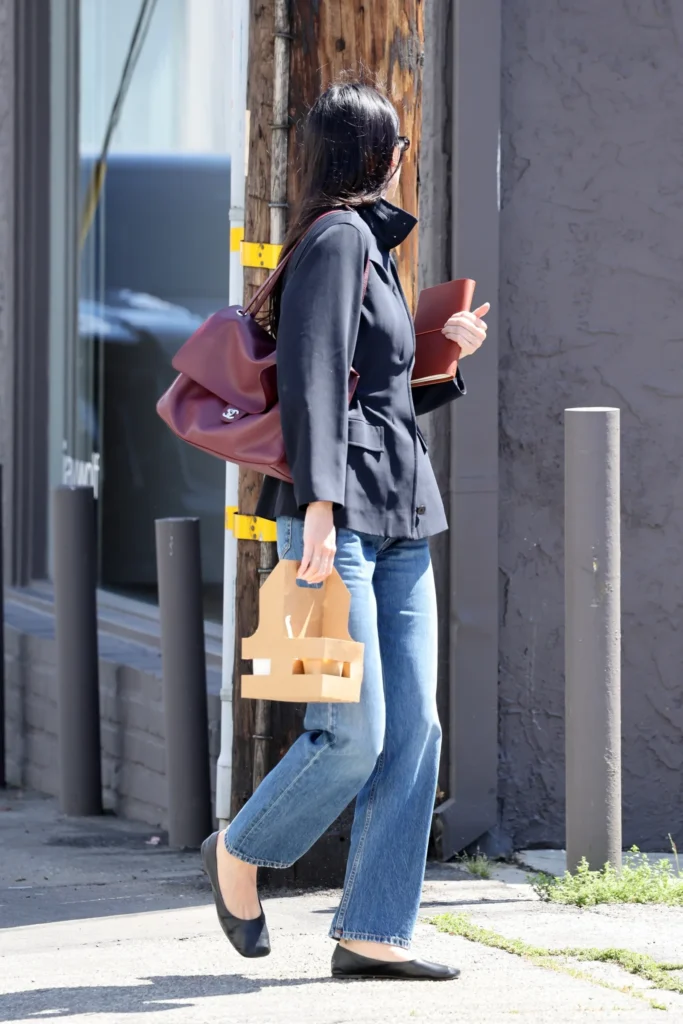
One product became the symbol of the shift: the Maxi Flap. Larger than the Classic Flap, built on a new structure, and priced roughly $2,000 lower.
source: Backgrid
The move reads less as a product launch and more as an indirect redefinition of the existing price architecture. Without saying “the old bags are overpriced,” the new price made the point. It sold out within weeks — the strongest internal challenge to Chanel’s own pricing strategy.
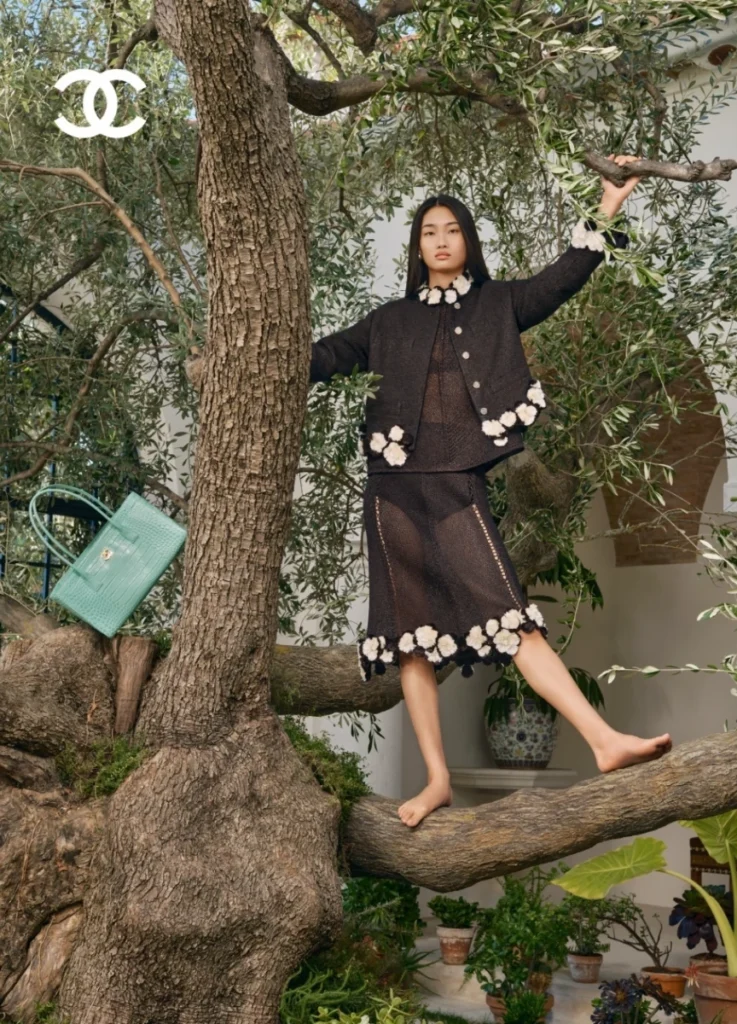
Blazy’s SS26 season also reintroduced surf-inspired bags and stripped away the house’s signature chain from several designs. Despite significantly higher price points compared to previous seasons, these pieces went viral among VICs and influencers — an early sign that Blazy’s aesthetic reset carries commercial traction.
@chanelofficial / Instagram
What Is Changing Inside the Boutiques — The VIC Perspective
Shift the view to the boutique floor, and a different picture emerges.
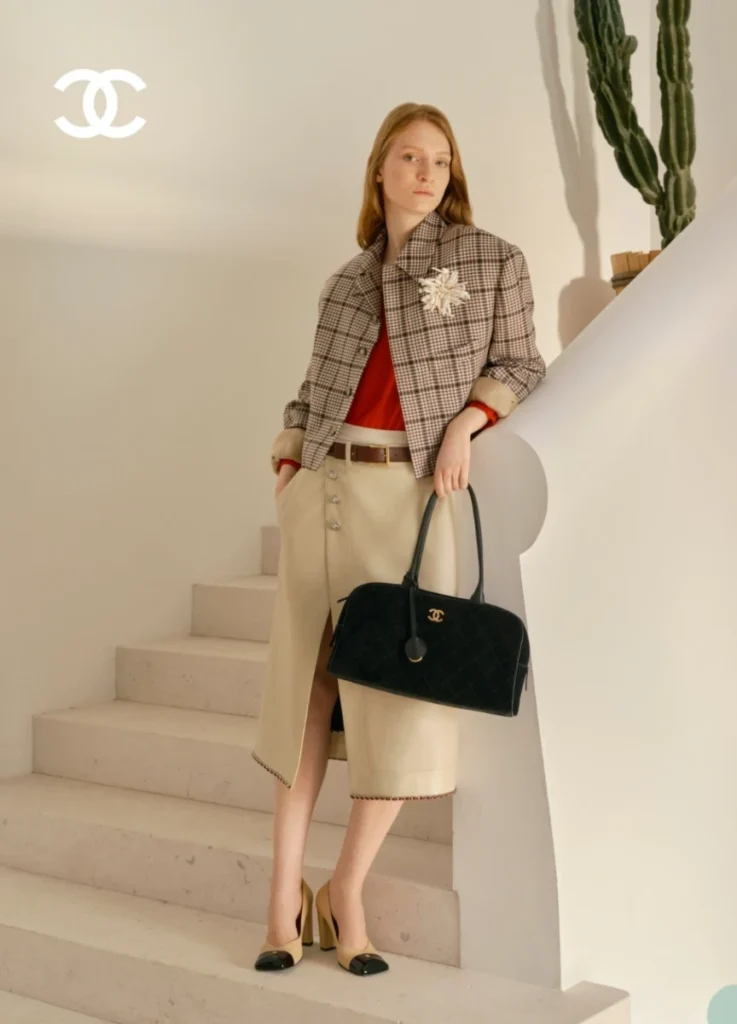
Chanel’s regional buying budgets have remained largely unchanged. But unit prices have continued to climb. Fewer pieces arrive.
Ready-to-wear selections that once allowed multiple purchases per VIC are now constrained. Even top-tier clients struggle to secure every piece they want. Demand is not the issue. The supply structure is.
Bags follow the same pattern. SS26 bags only began reaching VIC clients months after the global launch — distributed in limited quantities. Whether this reflects deliberate scarcity or logistical strain is difficult to judge from outside. But the experience has clearly changed.
The purchasing process has become less certain. Wait times have lengthened. And the rewards that once accompanied loyalty have thinned.
At this point, the conditions for client migration are already in place.
@chanelofficial / Instagram
From Bags to Jewelry — Where Spending Is Moving
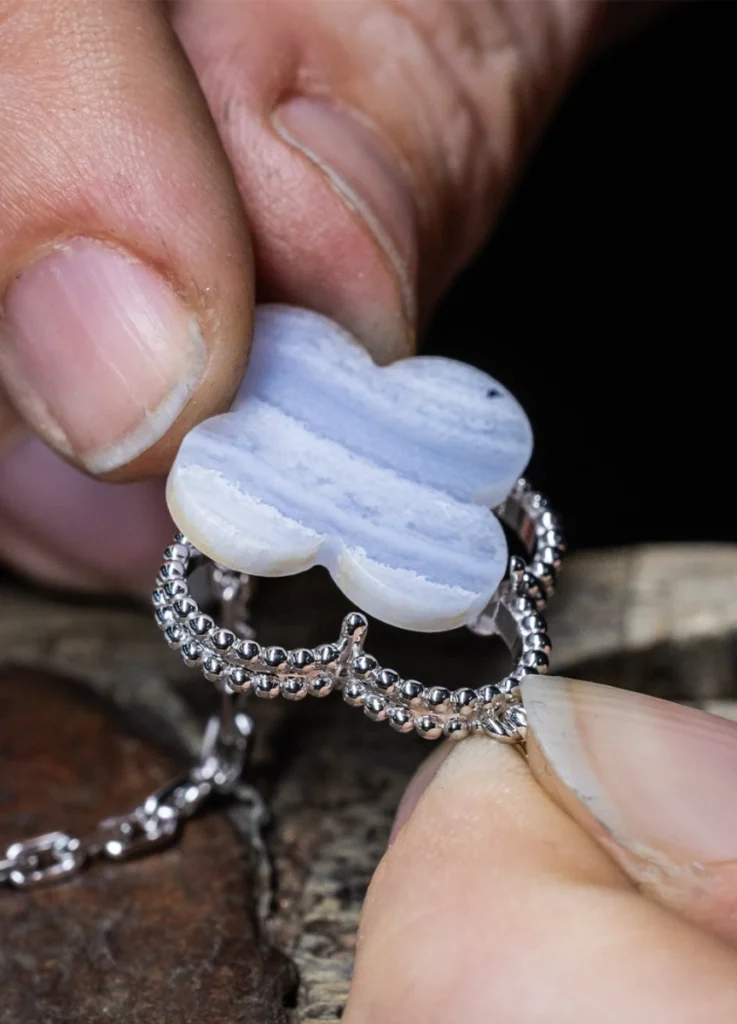
A visible shift has emerged within Chanel’s own client base in recent years. Spending is migrating to a different category entirely. Cartier. Van Cleef & Arpels. Tiffany. Graff.
The logic is simple. At current price levels — with bags and RTW continuing to climb — clients who have already accumulated significant Chanel holdings begin making comparisons. The same budget that buys one bag can also secure jewelry that is worn daily, carries no seasonality, and holds or appreciates in value over time.
A bag wears down with use. Its resale value erodes accordingly. Jewelry operates on a different timeline. No seasons. Daily wear. What remains after a decade is still on the wrist.
@vancleefarpels / Instagram
This is less a shift in spending preference and more a redefinition of what luxury means to these clients.
And the boutique experience itself plays a role. Jewelry maisons — Cartier, Van Cleef — maintain purchasing environments that are stable, predictable, and largely frictionless. No allocation anxiety. No waitlist uncertainty.
When a fashion house’s pricing begins redirecting its own clients into a different category entirely, the issue extends beyond any single product.
@hermes / Instagram
Three Models of Scarcity — Hermès, Van Cleef & Arpels, and Chanel
Scarcity is a core instrument of luxury. But how it is managed determines whether clients stay or leave.
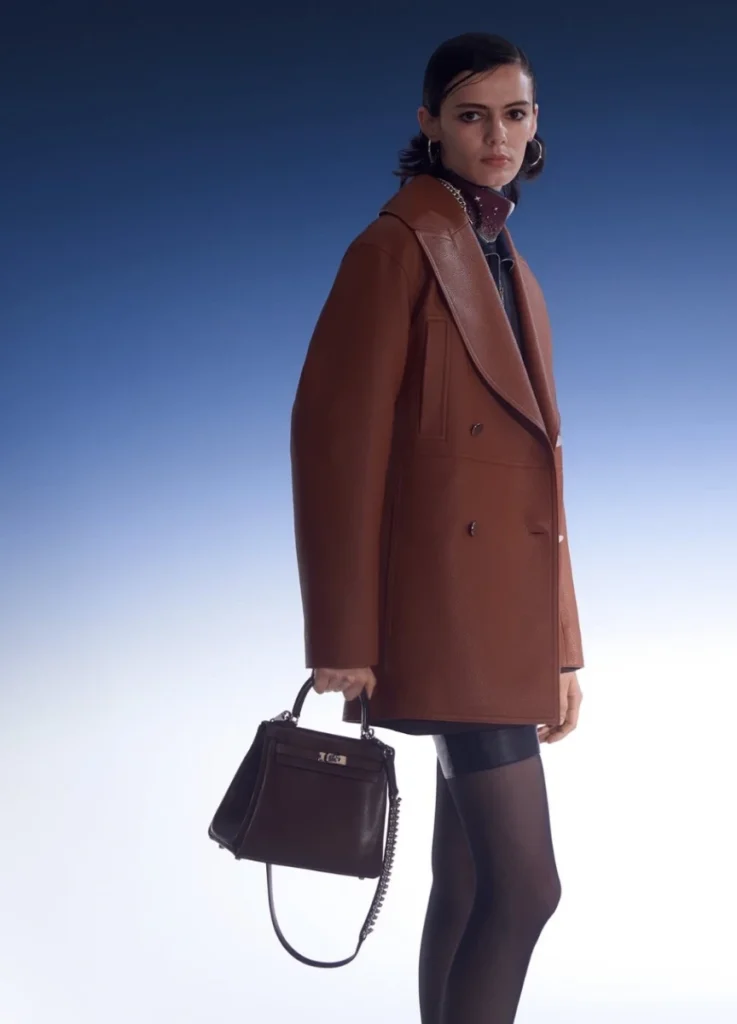
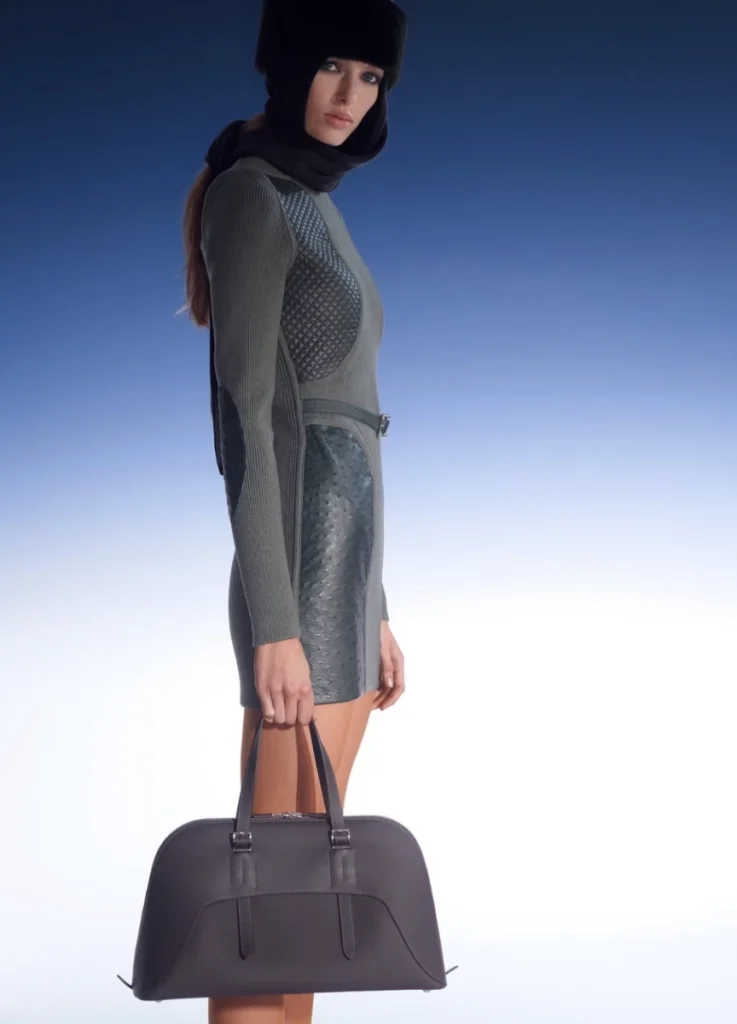
At Hermès, scarcity functions as qualification. Purchase history and the SA relationship determine access. The system is understood, accepted, and even embraced. Price increases remain gradual — typically 3 to 5% per year. Waiting is not friction. It is participation. VICs rarely leave. The relationship itself holds value.
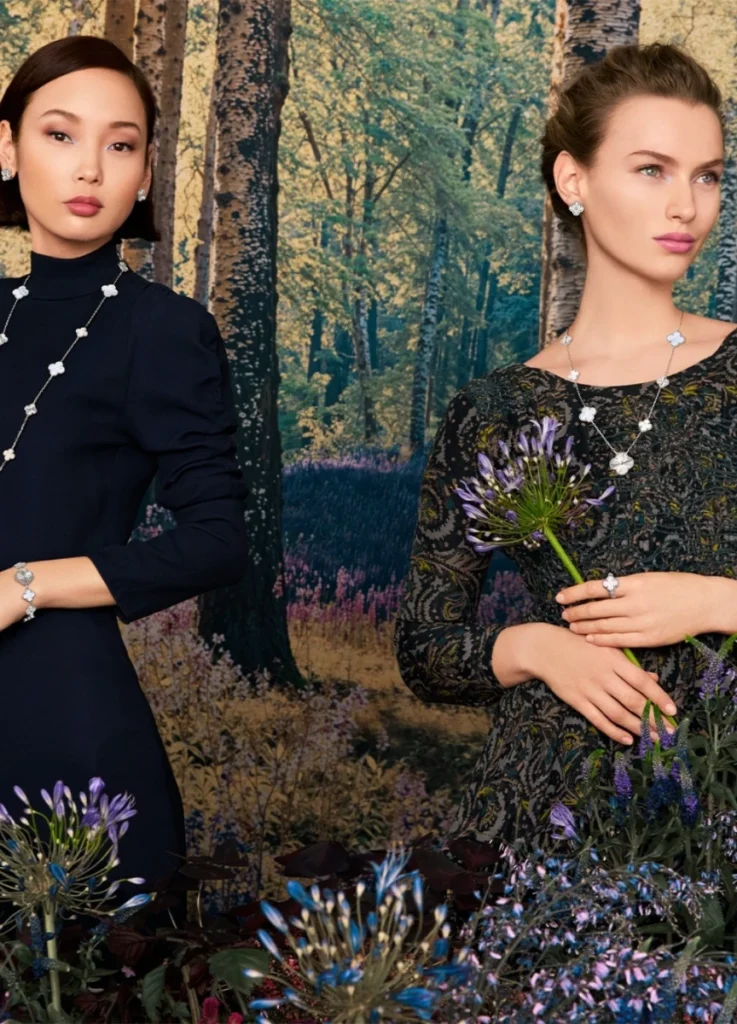
At Van Cleef & Arpels, scarcity is managed through patience and priority. Wait times for specific pieces can extend to a year. But the interval is filled. VICs receive priority viewings of new collections, early access to upcoming pieces, and consistent communication throughout the wait. The delay is real, but it is accompanied. Clients feel held — not ignored.
@vancleefarpels / Instagram
At Chanel, scarcity has historically operated through speed. Early access to sought-after bags and specific RTW pieces was the core VIC reward. Receiving a piece before others was the privilege. But as unit prices have risen and regional buying volumes have fallen, that mechanism is breaking down. The privilege was speed. Now there is less to be fast about. VICs who once expected early allocation now struggle to receive allocation at all.
The distinction sharpens under pressure.
At Hermès, scarcity deepens the bond. At Van Cleef, scarcity is softened by care. At Chanel, scarcity is losing its compensation structure. Without that compensation, waiting stops feeling like privilege and starts feeling like neglect.
And clients who feel neglected do not move to another fashion house. They move to jewelry. At Cartier, there is no wait. At Van Cleef, the wait comes with attention. For clients exhausted by the friction of securing a Chanel bag, walking into a jewelry maison and simply purchasing feels like what luxury was supposed to be.
@hermes / Instagram
Chanel is not losing clients to competitors within fashion. It is losing them to an entirely different category — one where the experience of buying still feels like the experience of being valued.
| Brand | Hermès | Van Cleef & Arpels | Chanel |
|---|---|---|---|
| Basis of scarcity | Relationship (SA + purchase history) | Material + managed wait | Price (+95% over 6 years) |
| VIC reward | Qualification granted | Priority viewing, early access | Early allocation (weakening) |
| Price increase pace | Gradual (3–5%/year) | Moderate | Aggressive |
| Waiting experience | Participation | Care | Doubt → departure |
| VIC attrition | Extremely rare | Rare | Increasing |
| Where departing clients go | — | — | Jewelry maisons (Cartier, VCA, Tiffany) |
@chanelofficial / Instagram
Three Eras — A Structural Comparison
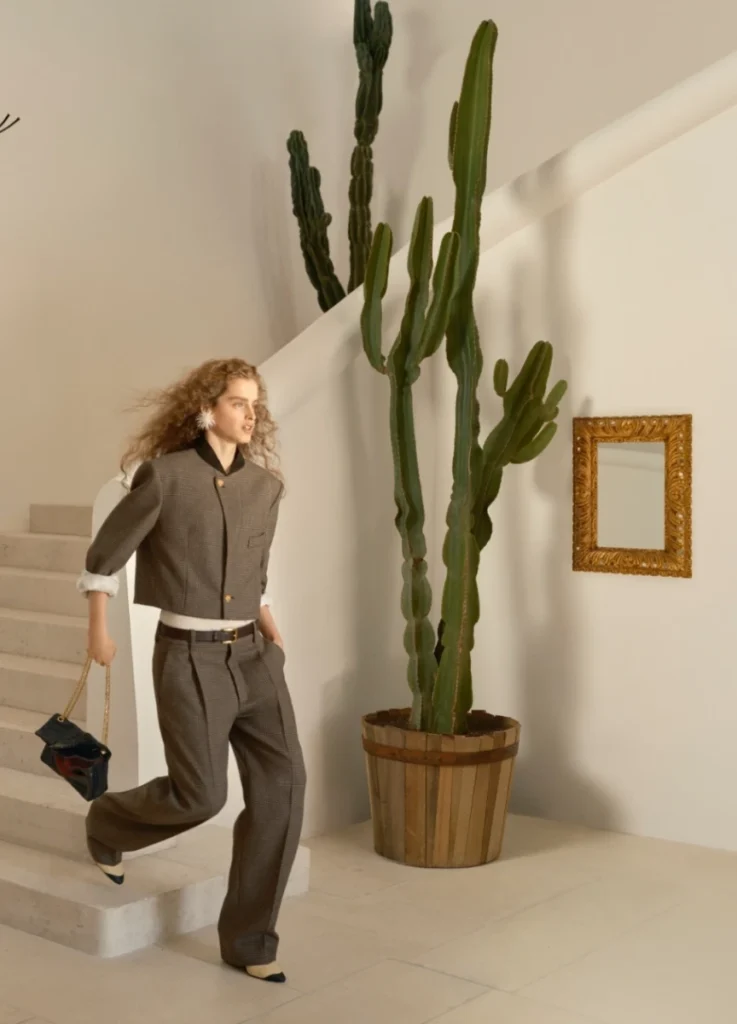
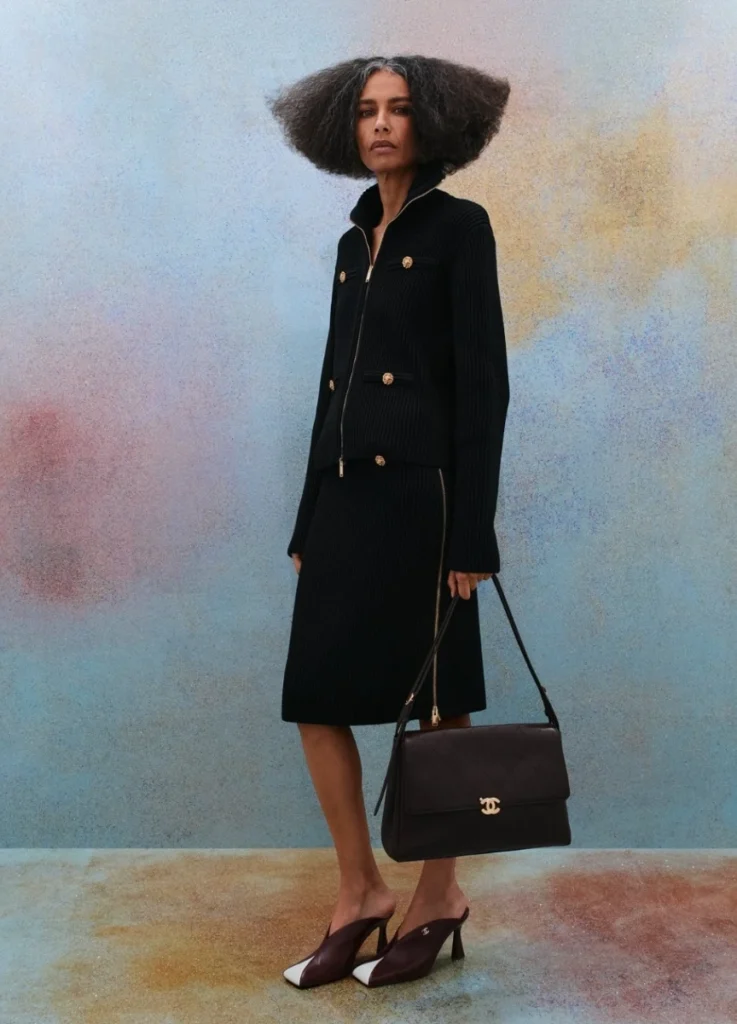
Chanel’s current tension sits here. Lagerfeld built the mythology. Viard made it wearable while the price architecture escalated beneath her. And Blazy inherits a brand whose creative identity has been refreshed but whose pricing and client experience remain unresolved.
The design problem has been addressed. The structural problem has not.
| Director | Karl Lagerfeld | Virginie Viard | Matthieu Blazy |
|---|---|---|---|
| Period | 1983–2019 (35 years) | 2019–2024 (5 years) | 2025– |
| Aesthetic | Theatrical form, showpiece | Wearable pragmatism | Structural redesign, material-first |
| Tweed | Clothing to be seen | Clothing to be worn | Still unknown |
| Pricing strategy | Gradual increases | Aggressive increases (+95%) | Repositioning via Maxi Flap |
| Departure | Death | Abrupt exit, no farewell | In progress |
| Revenue trajectory | Growth | Growth → decline | Unconfirmed |
@chanelofficial / Instagram
Three Questions That Remain
The problem Blazy needs to solve may not be design. Design has already proven itself in the market.
What remains is the gap between what clients pay and what they experience.
The first question is straightforward: can the new creative direction attract new clients?
The second is more consequential: will those clients stay?
And the third is the most decisive of all.
Will the existing VICs come back?
Prices have risen. Inventory has tightened. The boutique experience has grown uncertain. And clients who have already moved their spending to another category — jewelry, fine watches — may not have a reason to return to bags.
A show can change a brand. But if the boutique experience does not change with it, the numbers will not follow.
And spending that has already migrated to jewelry tends not to come back easily.
Once the comparison has been made — once a client has experienced what luxury feels like without friction — the standard resets. The old purchase rhythm no longer fits.
Once you know what it feels like to be valued without conditions, the old terms stop making sense.
@chanelofficial / Instagram
Chanel’s 2025 annual results are expected in May or June 2026. This article will be updated when those figures are published.
Featured Image via @chanelofficial / Instagram
[ Related Editorials ]